Plant Care Guide
Philodendron Brasil Care: The Complete Guide
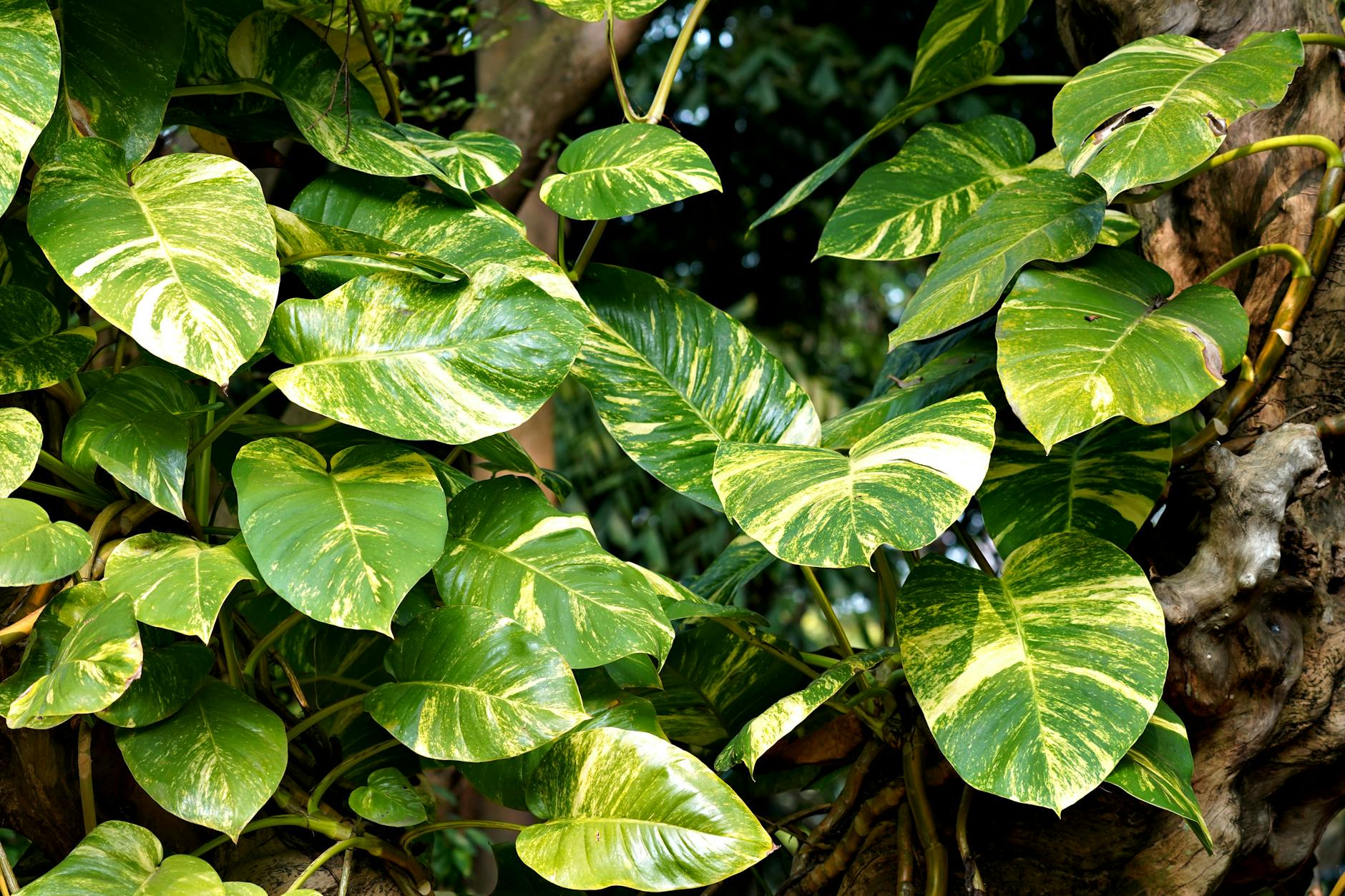
Philodendron Brasil (Philodendron hederaceum 'Brasil') is a variegated cultivar of the Heartleaf Philodendron native to tropical Central and South America, known for its heart-shaped leaves striped with yellow-green centres, vigorous trailing or climbing habit, and need for medium to bright indirect light to maintain variegation. Water when the top 3–5 cm of soil dries out, typically every 7–10 days.
Quick facts
When plant traders began distributing this variegated cultivar of Philodendron hederaceum in the late 20th century, the name “Brasil” came from the yellow-and-green leaf colouring — a combination associated commercially with the colours of the Brazilian flag. There is no geographic connection between the plant and the country: Philodendron hederaceum is native to the tropical forests of Central and South America broadly, and the Brasil cultivar is a selected mutation that first appeared in European and North American trade, not in Brazil specifically. Care requirements between parent and cultivar are nearly identical, with one practical difference: the yellow variegated cells contain less chlorophyll than the surrounding green tissue, so the Brasil needs more light than the plain green hederaceum to maintain the colouring that defines it.
At a glance: Philodendron Brasil care
- Light: Bright, indirect. More than plain hederaceum — variegation fades or reverts without adequate light.
- Water: When top 2–3cm of soil is dry. Tolerates an occasional missed watering.
- Humidity: Medium. Handles normal indoor conditions without special attention.
- Temperature: 15–32°C, no below 10°C. Among the more temperature-tolerant aroids.
- Toxicity: Toxic to cats, dogs, and horses — contains calcium oxalate crystals.
- Difficulty: Easy. Fast-growing and forgiving, with one key variable: light for variegation.
What is a Philodendron Brasil?
Philodendron hederaceum is distributed across the Caribbean, Central America, and northern South America, where it grows as a trailing and climbing plant in tropical forest understoreys. In its natural habitat it uses trees for support, extending toward available light at each successive node — the same growth behaviour that makes it so willing to trail from a shelf or ascend a moss pole indoors.
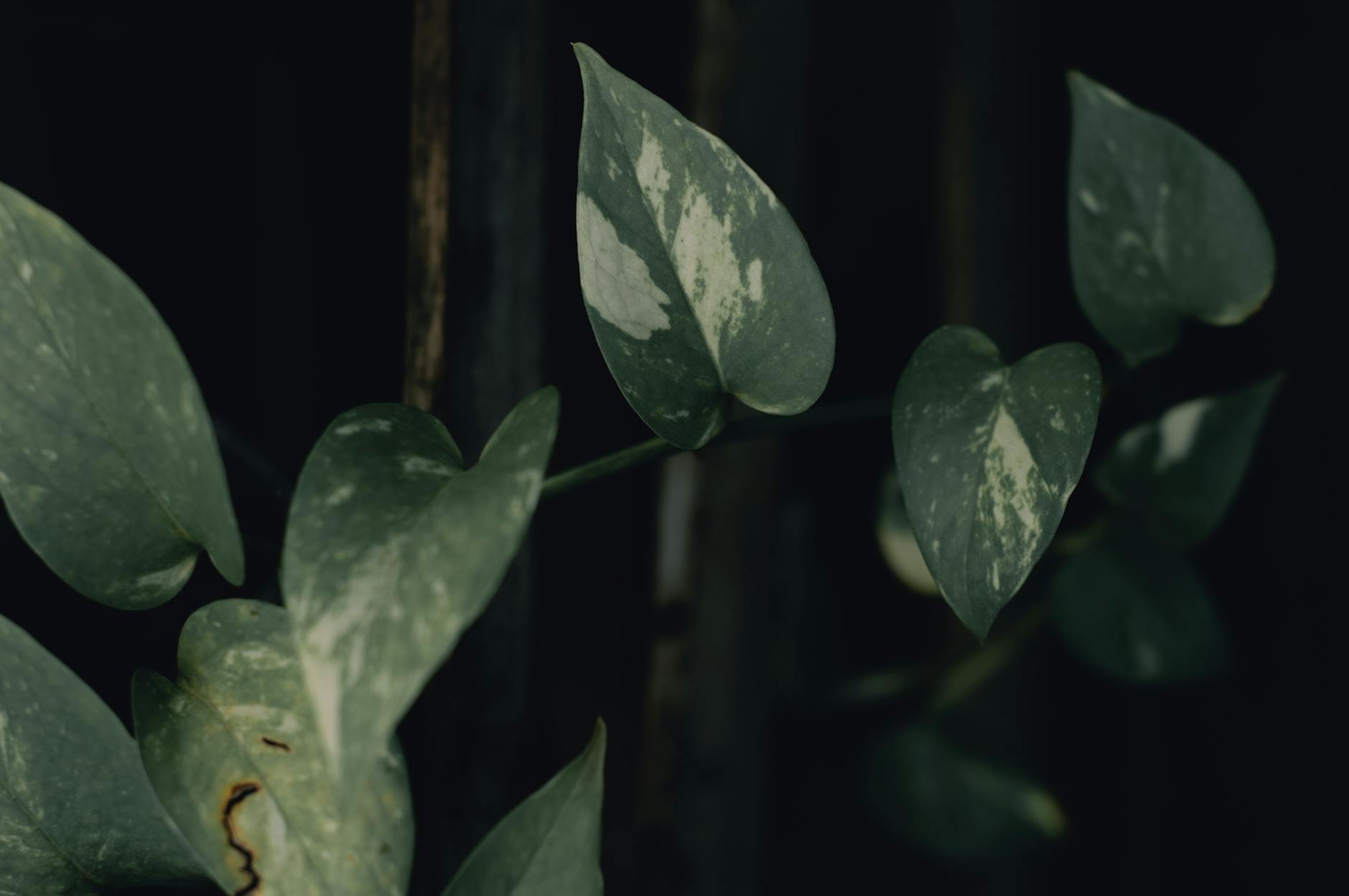
The ‘Brasil’ cultivar is one of several variegated selections of hederaceum that entered commercial cultivation. The variegation pattern is characterised by a central band of bright yellow-to-lime green running along the midrib of each leaf, surrounded by deeper green at the margins. The distribution is not uniform: some leaves show predominantly yellow centres, others predominantly green, and the most visually striking leaves balance roughly equal proportions of each. Light conditions directly influence which of these outcomes predominates on new growth.
Left to trail, Brasil produces the pendulous stems that make it a popular choice for high shelves and hanging baskets, much like a Pothos or Arrowhead Plant. Provided with a support — a moss pole or trellis — it climbs actively, with each successive node producing a slightly larger leaf. Pinching the growing tips of trailing stems encourages the plant to branch from lower nodes, producing a fuller, more compact habit rather than a single extending vine. Either presentation works; the choice is aesthetic, not horticultural.
For standard Heartleaf Philodendron care — including climbing support methods, detailed problem diagnosis, and the full range of hederaceum cultivars — see the Heartleaf Philodendron care guide. The Brasil requires the same care as its parent with one significant addition: more light to maintain variegation.
How much light does a Philodendron Brasil need?
Philodendron hederaceum ‘Brasil’ needs bright, indirect light — more than the plain green parent species. A spot 30–60cm from an east- or west-facing window, or a metre back from a south-facing window, is appropriate. The variegated cells in the yellow areas contain reduced chlorophyll; without adequate light, the plant compensates by producing more chlorophyll across the whole leaf, causing new leaves to arrive progressively greener.
Variegation reversion is the most visible sign of insufficient light. New leaves arrive with less yellow, then with almost none. The existing variegated leaves remain — reversion is a pattern on new growth, not a change to existing leaves — but the plant gradually becomes indistinguishable from the plain green parent. Moving to a brighter spot reverses the trend within 2–3 growth cycles. Full reversion (completely plain green leaves) takes months of consistent low light to achieve.
Direct afternoon sun bleaches both the green and yellow areas and causes brown patches on the leaf surface.
Signs your Brasil needs more light:
- New leaves arriving predominantly green rather than showing yellow-and-green variegation
- The yellow band narrowing across successive new leaves
- Slower growth overall, even during the growing season
Signs of too much direct sun:
- Brown, papery patches on any part of the leaf surface
- Yellow areas bleaching to near-white rather than holding their warm tone
- Leaf edges crisping and drying
How often to water a Philodendron Brasil
Water when the top 2–3cm of soil is dry. In summer at normal room temperatures, this is typically every 5–7 days. In winter, or in cooler rooms, every 10–14 days is more common. The Brasil is more tolerant of a missed watering than most aroids — it wilts visibly when thirsty but recovers quickly once watered.
Signs of overwatering:
- Yellow leaves, particularly on established growth
- Soft, dark stem sections at the base
- Soil staying wet for more than 10 days between waterings
Signs of underwatering:
- Leaves wilting and losing their posture
- Soil dry throughout when checked to the bottom
- Growth pausing significantly during the growing season
The right humidity for a Philodendron Brasil
Medium humidity — 40–60% — suits the Brasil. It handles normal indoor conditions without special humidity management in most homes. In very dry environments (central heating bringing indoor humidity below 30%), the leaf edges may develop occasional brown tips, but this is cosmetic rather than a health concern. A pebble tray or occasional misting is sufficient if tips are appearing.
The Brasil handles lower humidity significantly better than high-maintenance collector aroids and requires no active humidity intervention in a typical home.
Best temperature range for a Philodendron Brasil
15–32°C is the comfortable range — a notably wide tolerance for a tropical aroid. The plant handles the cooler end of this range without significant stress, making it suitable for rooms that are not actively kept very warm. Do not allow temperatures to drop below 10°C for sustained periods.
What to avoid:
- Temperatures below 10°C — growth stops and cold damage to leaves begins
- Cold drafts from windows or exterior doors in winter
- Air conditioning vents directed at the plant — the combination of cold and dry air causes rapid leaf damage
The best soil and pot for a Philodendron Brasil
A standard indoor potting mix with 15–20% perlite added provides the right balance of moisture retention and drainage. The Brasil is not demanding about substrate — it tolerates a wide range of mixes provided drainage is adequate and the pot has a drainage hole.
The trailing stems produce nodes regularly and grow fast in good conditions. Any node in contact with moist soil or water will root readily — this is what makes water propagation so straightforward for this plant.
When and how to fertilize a Philodendron Brasil
Fertilize monthly during spring and summer with a balanced liquid fertilizer at half to full recommended strength. The Brasil grows quickly in good conditions and benefits from consistent feeding. Stop in autumn. Skip winter entirely. Skip the first 4–6 weeks after repotting.
How to propagate a Philodendron Brasil
Stem cutting propagation in water is the standard method and produces roots within 7–14 days.
- Cut a stem section with at least one node and one healthy leaf.
- Remove any leaves that would be submerged.
- Place the cutting in a glass of room-temperature water with the node submerged and the leaf above the waterline.
- Keep in bright indirect light. Change the water every 3–5 days.
- Transfer to potting mix once roots reach 2–3cm.
Brasil cuttings root faster in water than in soil, and consistently. A jar of cuttings rooting on a windowsill is a reliable first propagation project for new plant owners, similar to Monstera Adansonii cuttings.
Is Philodendron Brasil toxic to pets?
Yes — Philodendron hederaceum ‘Brasil’ is toxic to cats, dogs, and horses. Like all Philodendrons, the plant contains insoluble calcium oxalate crystals that cause immediate burning and irritation of the mouth and throat, drooling, and vomiting if ingested. Keep out of reach of pets that chew houseplants.
Quick problem look-up
Variegation reverting to plain green
Variegation fades when light is insufficient. Move your Brasil to a brighter location near a window with indirect light. Variegated varieties need more light than solid green plants to maintain their distinctive yellow and white patterns. Without adequate brightness, new leaves revert to plain green. Rotate the plant weekly for even light exposure.
Yellow leaves
Overwatering causes yellowing and root rot in Brasil plants. Allow the top two to three centimeters of soil to dry completely between waterings. Check soil moisture with your finger before watering. In winter, reduce frequency significantly. Ensure your pot has drainage holes to prevent water accumulation and maintain healthy root systems.
Long stems with small leaves
Insufficient light creates long stems with sparse small leaves — the telltale sign is long internodes, the gaps between leaves along the stem, combined with smaller leaf size. Position your Brasil within one meter of a bright window receiving indirect light for six to eight hours daily. Increased light stimulates compact growth and larger, more vibrant leaves. Prune leggy stems to encourage bushier development.
Spider mites or mealybugs
Spider mites and mealybugs thrive in dry indoor air. Inspect leaf undersides and stems weekly for tiny webs or white cotton clusters. Increase humidity by misting twice weekly or grouping plants together. Isolate infested plants immediately. Treat with neem oil spray every seven to ten days for two to three weeks until pests disappear completely.
Do you ever wonder when your plant needs water or feeding?
GreenIQ tracks it per plant and reminds you at the right moment — adjusted to the season, not a fixed day.
Free, no account, no tracking.
Download GreenIQMore plants like this
Similar plants with comparable care needs or aesthetic.
You might also like
Philodendron hederaceum 'Brasil' · Last updated June 2026 · Photo by hartono subagio on Pexels