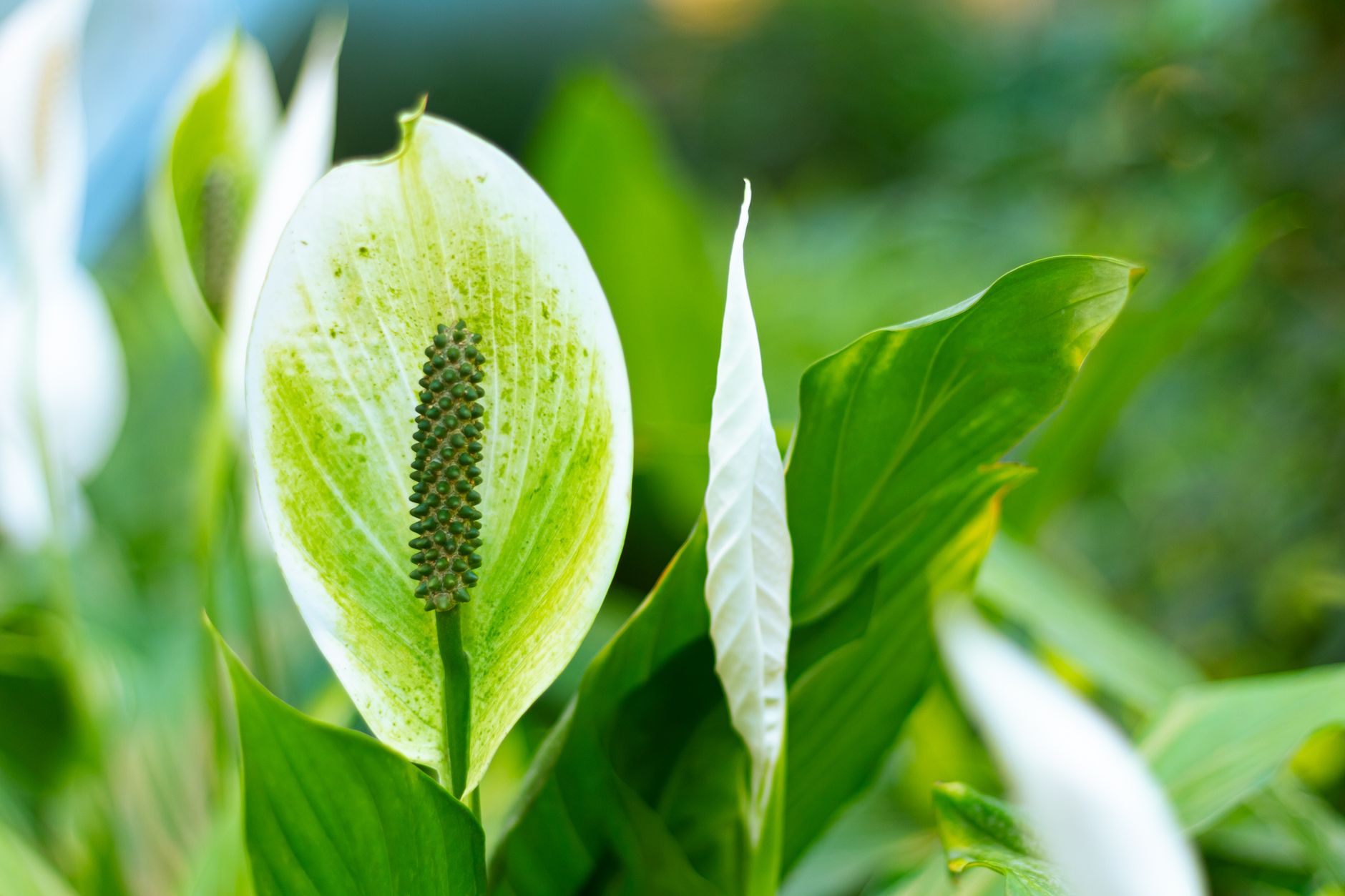
Plant Care Guide
Sensation Peace Lily Care: The Complete Guide
Sensation Peace Lily (Spathiphyllum cochlearispathum) is a large tropical perennial native to southern Mexico, known for its giant ribbed dark-green leaves reaching 60 cm or longer, dramatic floor-specimen size of 1.8 metres at maturity, and recurring white spathe flowers. Water when leaves begin to droop or the top 3–5 cm of soil dries out, typically every 7–10 days.
Quick facts
Spathiphyllum cochlearispathum and Spathiphyllum wallisii are both sold as Peace Lilies in the same garden centres, often in adjacent pots with near-identical labels. They are not the same plant. The Sensation is a different species — indoors it reaches 1.8 metres in height with leaves extending to 60 centimetres or longer. A plant sold at 40 centimetres in a 14-centimetre pot will, with consistent care, become a significant floor specimen that fills a corner of a room. Anyone buying a Sensation expecting desk-plant scale is working from the wrong assumption about what they have purchased.
At a glance: Sensation Peace Lily care
- Light: Medium to bright, indirect. More light supports taller growth and more frequent flowering.
- Water: Keep soil consistently moist. Wilting is the plant’s primary distress signal — act on it promptly.
- Humidity: High. 50%+ preferred; browning leaf tips are the first sign of inadequate humidity.
- Temperature: 18–30°C, no drafts. Slightly warmer than most Peace Lily guides recommend.
- Toxicity: Toxic to cats, dogs, and horses — contains calcium oxalate crystals.
- Difficulty: Medium. Care is predictable; the main requirement is planning space for its mature size.
What is a Sensation Peace Lily?
Spathiphyllum cochlearispathum is native to Colombia and Venezuela, growing in the humid, warm conditions of lowland tropical forest — an environment of consistent warmth, high moisture, and filtered light. Most Spathiphyllum species in cultivation are smaller plants from similar habitats; cochlearispathum is the exception in scale.
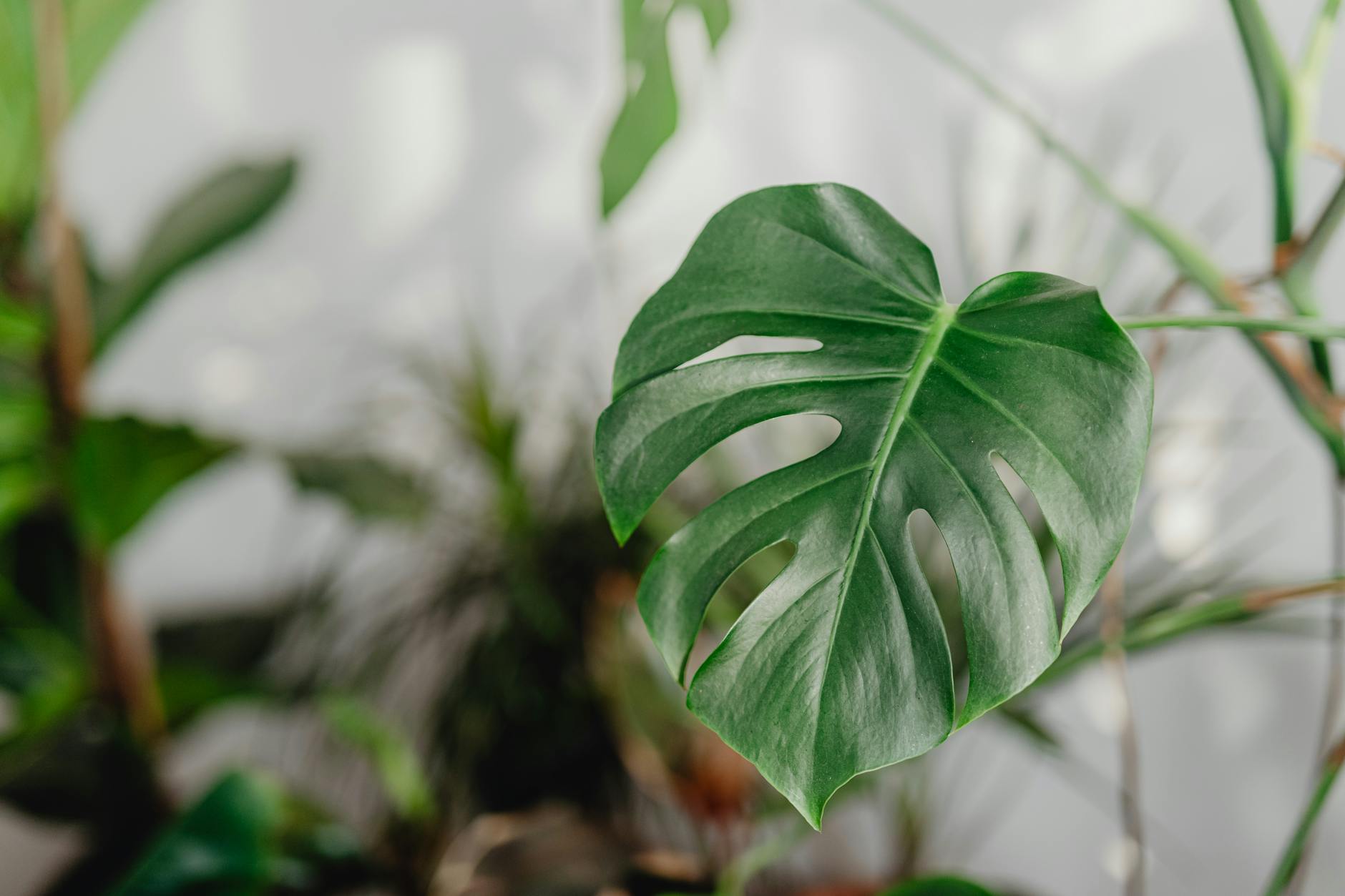
The Sensation cultivar is the largest Spathiphyllum grown as a houseplant. Its leaves are deeply ribbed and glossy — the rib structure gives large mature leaves a corrugated texture not seen on the smaller wallisii. Flowers (the white spathes characteristic of all Peace Lilies) appear 1–3 times per year with adequate light, but the Sensation is grown primarily for its foliage. A single mature leaf is larger than the entire canopy of a standard desktop Spathiphyllum wallisii.
For standard Peace Lily care — including smaller species, common cultivars, and detailed flowering behaviour — see the Peace Lily care guide. The Sensation shares the same family care requirements but differs in scale and the physical space it requires as a mature plant. The information below addresses cochlearispathum specifically.
How much light does a Sensation Peace Lily need?
Spathiphyllum cochlearispathum needs medium to bright, indirect light. It is more tolerant of lower light than most large-leafed aroids — a quality inherited from its forest understorey origins — but better light produces faster growth, more upright stems, and more reliable flowering.
A spot 1–2 metres from a south- or west-facing window, or directly in front of a north-facing window, covers the functional range. In lower light, the plant survives but growth slows and flowering stops. In direct midday sun, the leaves bleach and develop scorched patches along the upper surface.
Signs your Sensation Peace Lily needs more light:
- Leaves flopping outward rather than standing upright — a sign the stems are elongating toward a light source
- No flowering for 6 months or more despite otherwise good care
- New leaves arriving consistently smaller than established ones
Signs of too much direct sun:
- White or bleached patches on the upper leaf surface
- Brown, dried edges appearing on otherwise healthy leaves
- Rapid yellowing of leaves facing the window directly
How often to water a Sensation Peace Lily
Keep the soil consistently moist. Unlike many aroids, the Sensation Peace Lily does not benefit from drying cycles between waterings — it prefers soil that remains evenly moist throughout. In a warm room in summer, this typically means watering every 4–6 days for a mature specimen. In winter, every 7–10 days is more common.
The Sensation uses its wilting response as a water indicator more dramatically than most plants. When it is thirsty, the large leaves droop toward the floor — visibly and completely. This is not permanent damage: water immediately and the leaves recover their upright posture within 1–2 hours. However, repeated wilting events stress the plant and over time lead to yellowing older leaves and stunted new growth. Treat the wilt signal as an instruction to water, not as a design feature.
Use filtered water or let tap water stand overnight when possible. Like its smaller relative wallisii, the Sensation is sensitive to fluoride and chlorine accumulation in the soil, which causes brown tips on leaf margins over time.
Signs of overwatering:
- Yellow leaves throughout the plant, particularly on older growth
- Soggy soil remaining wet for more than a week
- Soft, dark stem sections at the base — early sign of root rot
Signs of underwatering:
- Dramatic drooping of leaves across the whole plant
- Soil completely dry and pulling away from the pot edges
- Leaf margins beginning to brown after repeated dry events
The right humidity for a Sensation Peace Lily
50% or above is the Sensation’s minimum for good health. In dry indoor air — particularly in winter when central heating reduces ambient humidity — the large leaf tips brown at the edges even when watering and light are otherwise correct.
Practical approaches:
- A humidifier running nearby is the most reliable solution for dry winter rooms
- Placement in a kitchen or bathroom with adequate light takes advantage of naturally higher ambient humidity — the same trick that helps a Calathea Ornata
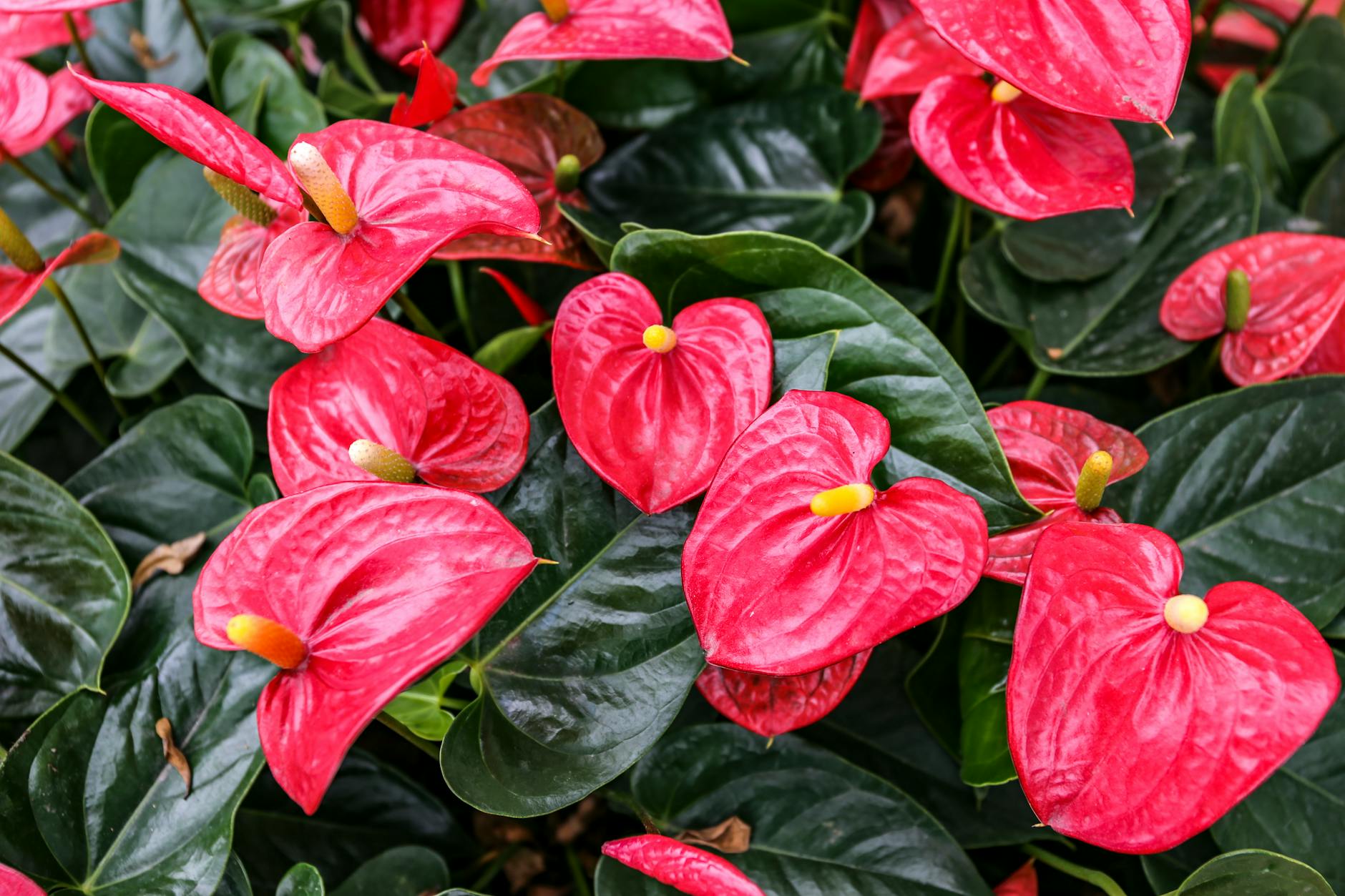
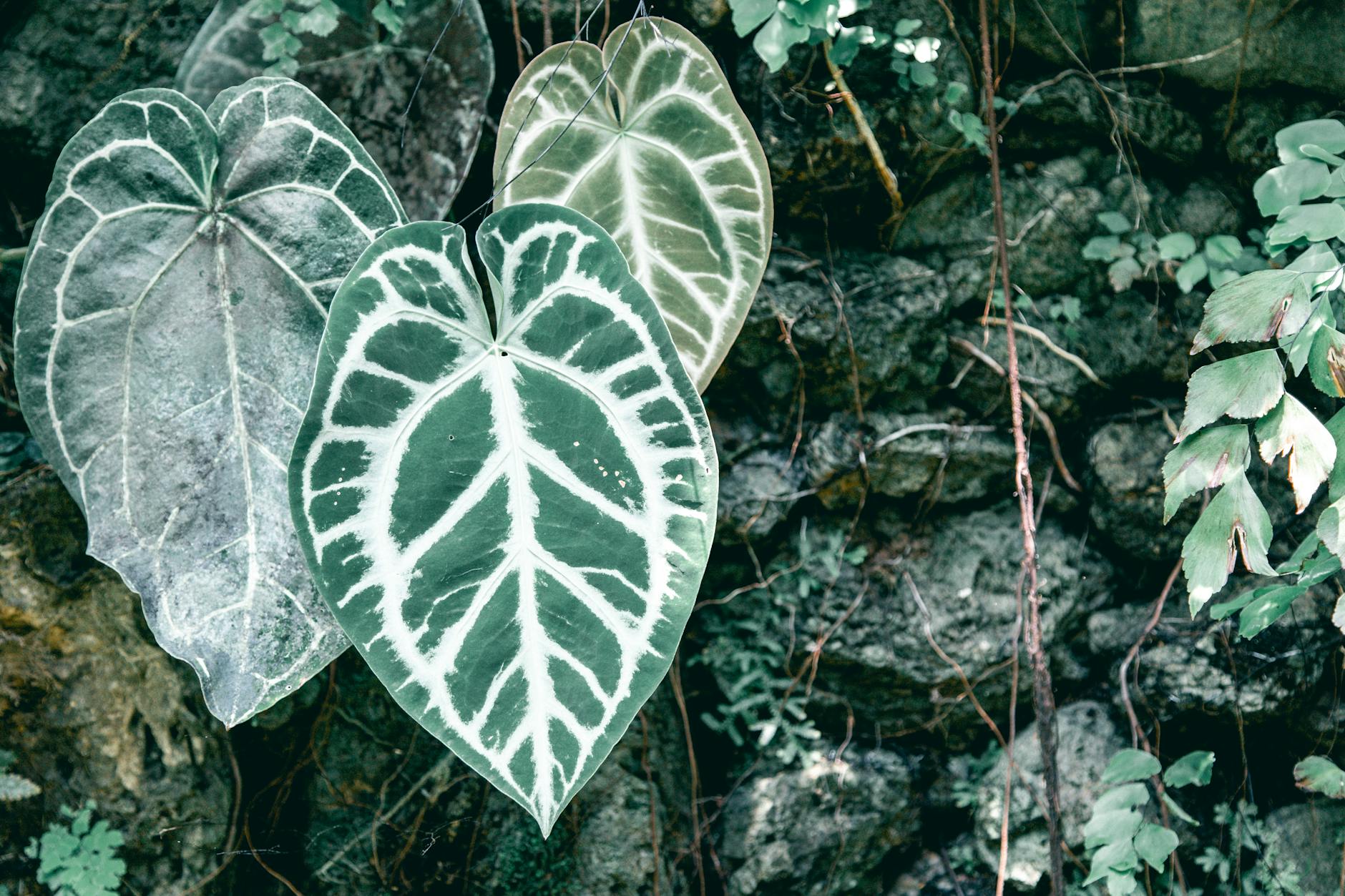
- Grouping the plant with other large-leafed tropical plants raises the local microclimate — plants like a Velvet Anthurium or Flamingo Flower work well for this
- A large pebble tray with water beneath the pot contributes humidity at leaf level
With leaves extending to 60 centimetres, the Sensation has significant surface area exposed to dry air. The effect of low humidity is proportionally more visible than on smaller Peace Lily cultivars.
Best temperature range for a Sensation Peace Lily
Spathiphyllum cochlearispathum grows best at 18–30°C and requires temperatures to remain above 15°C at all times. It is slightly more cold-sensitive than wallisii — the standard Peace Lily handles cool rooms with more tolerance than the Sensation does.
What to avoid:
- Temperatures below 15°C sustained for more than a few hours
- Cold drafts from open windows or air conditioning positioned near the plant
- Rapid temperature changes — the Sensation is more sensitive to environmental instability than smaller, more common aroids
The best soil and pot for a Sensation Peace Lily
A well-draining peat-based potting mix works well for most of the plant’s life. As it matures and the root system develops, adding 15–20% perlite improves aeration — large, established root systems are more prone to anaerobic conditions in dense soil.
Pot size matters with this plant. A Sensation in a correctly sized pot (roots comfortable but not excessively pot-bound) grows more robustly than one in a significantly oversized pot, where excess soil holds moisture the roots cannot access and root rot risk increases. Move up one pot size (2–3cm larger diameter) at each repotting.
A drainage hole is essential. Consistently moist soil and poor drainage are a direct path to root rot.
When and how to fertilize a Sensation Peace Lily
Fertilize monthly during spring and summer with a balanced liquid fertilizer at half the recommended strength. The Sensation’s larger leaf mass means it benefits from consistent feeding during the growing season more than compact Peace Lily cultivars. A phosphorus-rich fertilizer (higher middle number on the NPK ratio) in spring can encourage flowering in plants that have been producing only foliage.
Stop in autumn. Skip winter. Skip the first 4–6 weeks after repotting.
How to propagate a Sensation Peace Lily
Division at repotting time is the standard method. The Sensation, like all Spathiphyllum, grows from a clumping rhizome that produces multiple crowns over time.
- Remove the plant from its pot — given the mature size, this is a two-person job for large specimens.
- Gently clear soil from the roots to expose the rhizome.
- Identify where crowns separate naturally, each with its own leaves and root system.
- Separate sections by pulling apart or cutting cleanly with a sharp, sterile knife.
- Each division needs at least 2–3 leaves and a healthy root system to establish successfully.
- Pot each division in fresh, moist mix and keep in a warm, humid location out of direct sun for 2–3 weeks.
Divided plants may not flower for 2–3 months while re-establishing root systems — this is expected, not a sign of failure.
Is Sensation Peace Lily toxic to pets?
Yes — Spathiphyllum cochlearispathum is toxic to cats, dogs, and horses. Like all members of the Araceae family, the plant contains insoluble calcium oxalate crystals throughout its leaves and stems. Contact with the mouth causes immediate burning and irritation of the mouth, lips, and throat, excessive drooling, difficulty swallowing, and vomiting.
The large, accessible leaves are conspicuous and attractive to curious animals. Keep the plant in a location where pets cannot reach or chew the foliage. If ingestion occurs, rinse the animal’s mouth with water and contact a vet if symptoms persist beyond 30 minutes.
Quick problem look-up
Dramatic wilting and drooping
Sensation Peace Lilies droop dramatically when soil dries completely. Water immediately until water drains from the pot bottom. Check soil moisture by inserting your finger 2 cm deep twice weekly. The plant typically recovers within one to two hours of proper watering. If the soil is already wet and the plant is still drooping, root rot has likely damaged the roots — remove from the pot and inspect them. Prevent future wilting by maintaining consistently moist but not waterlogged soil.
Yellow leaves
Yellowing leaves indicate overwatering, the most common care mistake. Allow soil to dry slightly between waterings and ensure your pot has drainage holes. Water when the top 2 cm of soil feels dry. A musty smell from the soil alongside yellowing usually means root rot has already set in — check the roots by inspecting the pot's drainage area. Reduce watering frequency during autumn and winter.
Brown leaf tips
Brown leaf tips result from low humidity or fluoride in tap water. Increase humidity by misting leaves twice weekly or grouping plants together. Switch to filtered or distilled water to eliminate fluoride exposure. Maintain humidity between 50 and 60 percent if possible. Trim brown tips with clean scissors for better plant appearance and health.
Not flowering
Sensation Peace Lilies need bright indirect light to produce their characteristic white flowers. Move your plant to within 1 meter of an east or west-facing window. Avoid direct sunlight which can scorch leaves. Ensure you're fertilizing monthly with half-strength formula during growing season only. Flowering typically begins four to eight weeks after the light change.
Do you ever wonder when your plant needs water or feeding?
GreenIQ tracks it per plant and reminds you at the right moment — adjusted to the season, not a fixed day.
Free, no account, no tracking.
Download GreenIQMore plants like this
Similar plants with comparable care needs or aesthetic.
You might also like
Spathiphyllum cochlearispathum · Last updated June 2026 · Photo by Eduardo Escalante on Pexels