Plant Care Guide
Chinese Evergreen Care: The Complete Guide
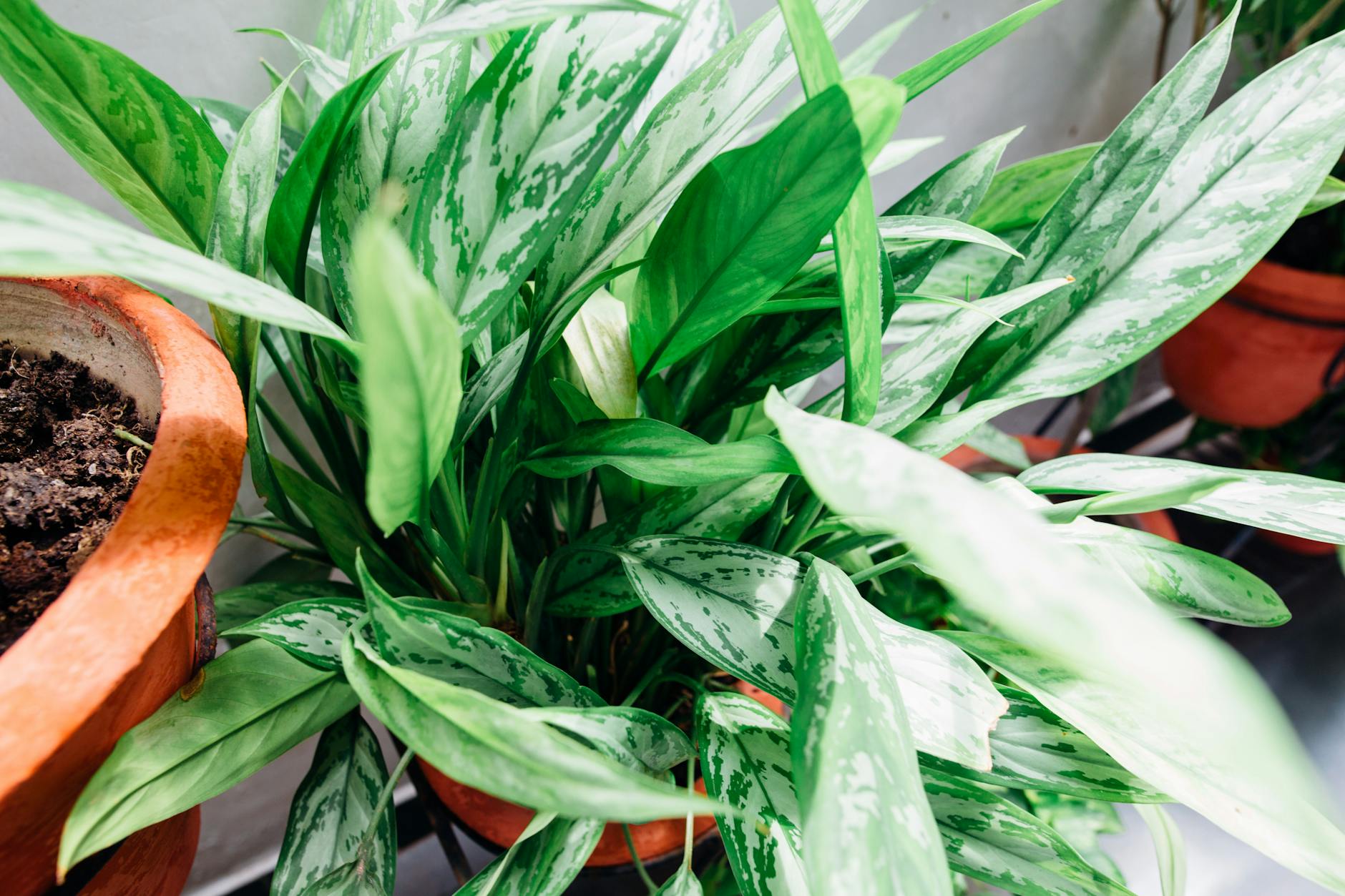
Chinese Evergreen (Aglaonema commutatum) is a tropical perennial native to the rainforests of Southeast Asia, known for its broad lance-shaped leaves patterned with silver, cream, or pink markings, exceptional tolerance of low light, and forgiving nature with irregular watering. Water when the top 3–5 cm of soil dries out, typically every 7–10 days.
Quick facts
Aglaonema commutatum is the houseplant most often recommended for offices and low-light rooms, and for good reason. It tolerates conditions that would stress most other plants — dim corridors, air-conditioned spaces, dry indoor air — and it does so without complaining. The patterned leaves in green and silver, or in the brighter cultivars red and pink, deliver visual interest regardless of the light. This guide covers what the Chinese Evergreen actually needs and the few things that reliably go wrong.
At a glance: Chinese Evergreen care
- Light: Low to medium, indirect light.
- Water: When the top 2-3cm of soil is dry.
- Humidity: Medium — tolerates average indoor air.
- Temperature: 15-32°C, minimum 13°C.
- Toxicity: Toxic to cats, dogs, and horses.
- Difficulty: Easy. One of the most tolerant and adaptable houseplants available.
What is a Chinese Evergreen?
Aglaonema commutatum belongs to the family Araceae — the same family as monstera, philodendron, pothos, and peace lily — and is native to the Philippine Islands and parts of Malaysia. It grows in the deep shade of tropical forest understorey, which explains its genuine tolerance of low light indoors. The genus name Aglaonema comes from Greek words meaning “bright thread,” referring to the prominent veining visible on the leaves of some species.
There are many Aglaonema species and cultivars in cultivation, ranging from the classic dark green and silver of Aglaonema commutatum and its cultivar ‘Maria’, through the green-silver ‘Silver Bay’, to the more modern red-edged ‘Red Siam’ and pink-speckled ‘Pink Dalmatian’. The care requirements are essentially identical across all of them, with one important note: the darker green cultivars (Maria, Silver Bay) genuinely tolerate very low light; the brightly coloured red and pink cultivars need medium to bright indirect light to maintain their colouring.
The Chinese Evergreen has been grown as a houseplant for centuries in parts of Southeast Asia, where it is sometimes considered to bring good luck. It was one of the first tropical foliage plants to be widely cultivated in Western interiors, introduced in the early 20th century.
How much light does a Chinese Evergreen need?
Aglaonema commutatum tolerates low to medium, indirect light — a genuinely useful range that makes it practical in dim rooms where most other plants fail. In low light, growth slows but the plant remains healthy. In medium to bright indirect light, growth is faster and the leaf patterns are more vivid.
Dark green cultivars (Maria, Silver Bay) handle genuinely low light — a few metres from a window is acceptable. Bright cultivars with red, orange, or pink colouring (Red Siam, Pink Dalmatian) need medium to bright indirect light to maintain their colour; in low light they revert toward plain green.
Direct sun should be avoided. Even filtered direct sunlight through a south-facing window can bleach the leaves.
Signs your Chinese Evergreen needs more light:
- Very slow or no new growth during spring and summer
- Bright cultivars losing their red or pink colouring
- The plant becoming very sparse
Signs of too much direct sun:
- White or yellow bleached patches on leaves
- Crispy, papery edges
How often to water a Chinese Evergreen
Water when the top 2-3cm of soil has dried out. Aglaonema commutatum does not like to sit in consistently wet soil — overwatering causes root rot — but it also dislikes drying out completely. Keep the soil partially moist: water when the top 2-3cm are dry, before the soil dries deeper.
In summer, watering every 7-10 days is typical. In winter in a cooler room, every 10-14 days is normal. Use filtered or distilled water if possible — Aglaonema is sensitive to fluoride in tap water, which causes the brown leaf tips that are one of the most common complaints about this plant.
Signs of overwatering:
- Yellow leaves, especially lower leaves
- Soft stems near the soil
- Soil staying wet for more than 10-14 days
Signs of underwatering:
- Slightly limp or wilted leaves
- Dry, papery edges
- Soil completely dry
The right humidity for a Chinese Evergreen
Aglaonema commutatum manages well at medium humidity — the 40-60% typical of most indoor environments. It tolerates the drier conditions of centrally heated rooms better than many other aroids.
Brown leaf tips are more often a sign of fluoride sensitivity or water quality than of low humidity in this plant. A pebble tray is useful in very dry rooms, but specialist humidity control is not required.
Best temperature range for a Chinese Evergreen
Aglaonema commutatum is comfortable between 15-32°C. Do not let temperatures drop below 13°C — cold damage causes dark, water-soaked patches on the leaves. It is also sensitive to cold drafts, which cause similar damage even without sustained low temperatures.
What to avoid:
- Temperatures below 13°C for sustained periods
- Cold drafts from windows or air conditioning
- Placing directly in the path of air conditioning vents
The best soil and pot for a Chinese Evergreen
A well-draining standard potting mix is suitable. Adding 20% perlite improves drainage if the mix is heavy. Aglaonema commutatum is not as fussy about soil as some aroids, but it does not like to sit in saturated soil for extended periods.
A drainage hole is essential. Choose a pot size that fits the root ball without excessive excess soil. Terracotta dries faster than plastic; plastic or glazed ceramic may be better if you tend to underwater. Repot every 2-3 years, or when the plant is clearly rootbound.
When and how to fertilize a Chinese Evergreen
Feed every two months during spring and summer with a balanced liquid fertilizer at half the recommended strength. Stop in autumn and skip winter. Aglaonema commutatum is a slow grower that does not need frequent fertilizing. Excess fertilizer salts contribute to the brown tip problem caused by fluoride.
How to propagate a Chinese Evergreen
Two methods work reliably:
Division: The most reliable method. Remove the plant from its pot in spring and separate the rootball into sections, each with at least 2-3 stems and roots. Pot each section in fresh potting mix.
Stem cuttings: Take a stem section 10-15cm long with at least 2-3 leaves. Remove the lower leaves and plant in moist perlite or a 50/50 mix of potting compost and perlite. Roots develop in 4-8 weeks in a warm (above 20°C) position with indirect light.
Is Chinese Evergreen toxic to pets?
Yes, Aglaonema commutatum is toxic to cats, dogs, and horses. Like other aroids, it contains insoluble calcium oxalate crystals, which cause:
- Immediate mouth and throat burning on contact
- Excessive drooling
- Pawing at the mouth
- Vomiting
The reaction is typically immediate and the burning sensation usually prevents animals from ingesting large quantities. However, even small amounts cause genuine discomfort. If a pet has eaten any part of the plant, contact a vet or animal poison control line. If you need a bold, patterned foliage plant that is pet-safe, the Rattlesnake Plant (Goeppertia insignis) is a non-toxic alternative.
Cultivars at a glance
Aglaonema commutatum 'Silver Bay'
Large silver-green leaves with dark green margins. One of the most widely available cultivars; very tolerant of low light.
Aglaonema commutatum 'Maria'
Dark green leaves with silver feathering along the midrib. More compact; handles low light well.
Aglaonema commutatum 'Red Siam'
Green leaves with vivid red edges. Needs more light than green cultivars to maintain colour.
Aglaonema commutatum 'Pink Dalmatian'
Green leaves speckled with pink spots. Striking pattern; needs medium indirect light to keep the pink vivid.
Quick problem look-up
Yellow leaves
Yellow leaves on Chinese Evergreen typically result from overwatering or excessive bright light exposure. Move your plant away from direct sunlight to a spot with bright, indirect light. Check soil moisture carefully—water only when the top 2 centimeters feel dry. Ensure pots have drainage holes and use well-draining potting mix to prevent water accumulation around roots.
Brown leaf tips
Brown leaf tips usually indicate fluoride sensitivity from tap water, inadequate humidity, or salt buildup from fertilizer. Switch to filtered or distilled water for watering, and flush the soil occasionally with plain water to remove accumulated salts. Increase humidity by misting leaves weekly or placing the pot on a pebble tray filled with water. Maintain indoor humidity between 50 and 60 percent for optimal leaf health and appearance.
Soft stems at the base
Soft, mushy stems at the base signal root rot from persistent overwatering. Remove the plant from its pot and trim away all blackened, soft roots with sterile scissors. Repot immediately into fresh, well-draining potting mix containing perlite or orchid bark, then withhold water for 1-2 weeks before resuming a normal schedule with soil drying slightly between waterings.
White cottony clusters on stems
White cottony clusters on stems indicate mealybug infestation. Dab affected areas with rubbing alcohol applied on a cotton swab to remove visible insects immediately. Follow with applications of neem oil every seven to ten days for three weeks. Isolate the plant from others to prevent spread and inspect regularly for recurrence.
Do you ever wonder when your plant needs water or feeding?
GreenIQ tracks it per plant and reminds you at the right moment — adjusted to the season, not a fixed day.
Free, no account, no tracking.
Download GreenIQYou might also like
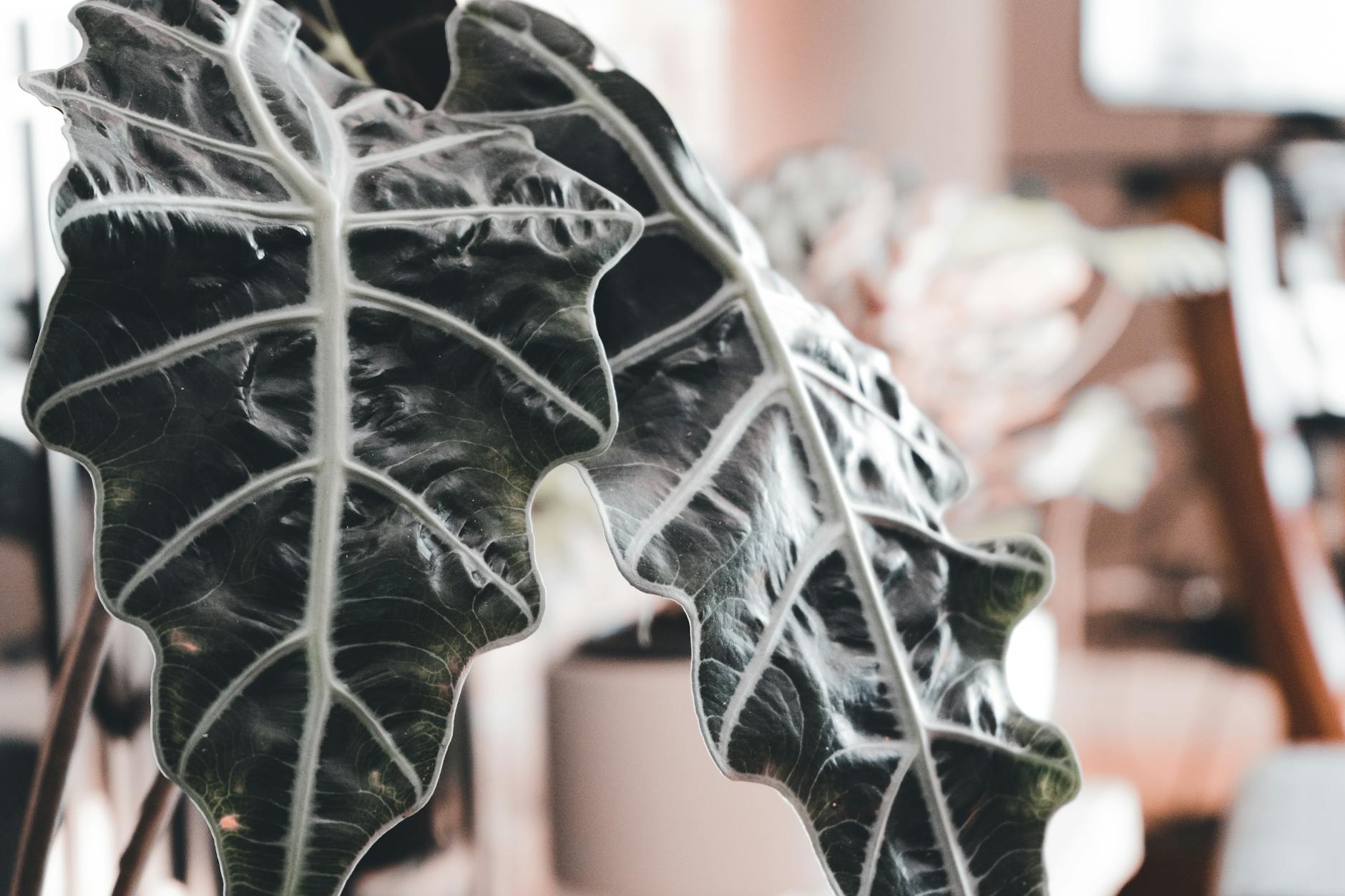
Aglaonema commutatum · Last updated May 2026 · Photo by K on Pexels