Plant Care Guide
Flamingo Flower Care: The Complete Guide
Flamingo Flower (Anthurium andraeanum) is a tropical aroid native to the rainforests of Colombia and Ecuador, known for its glossy heart-shaped leaves, lacquered red, pink, or white flower-like spathes that last for months, and preference for warm humid conditions. Water when the top 2–3 cm of soil dries out, typically every 5–7 days.
Quick facts
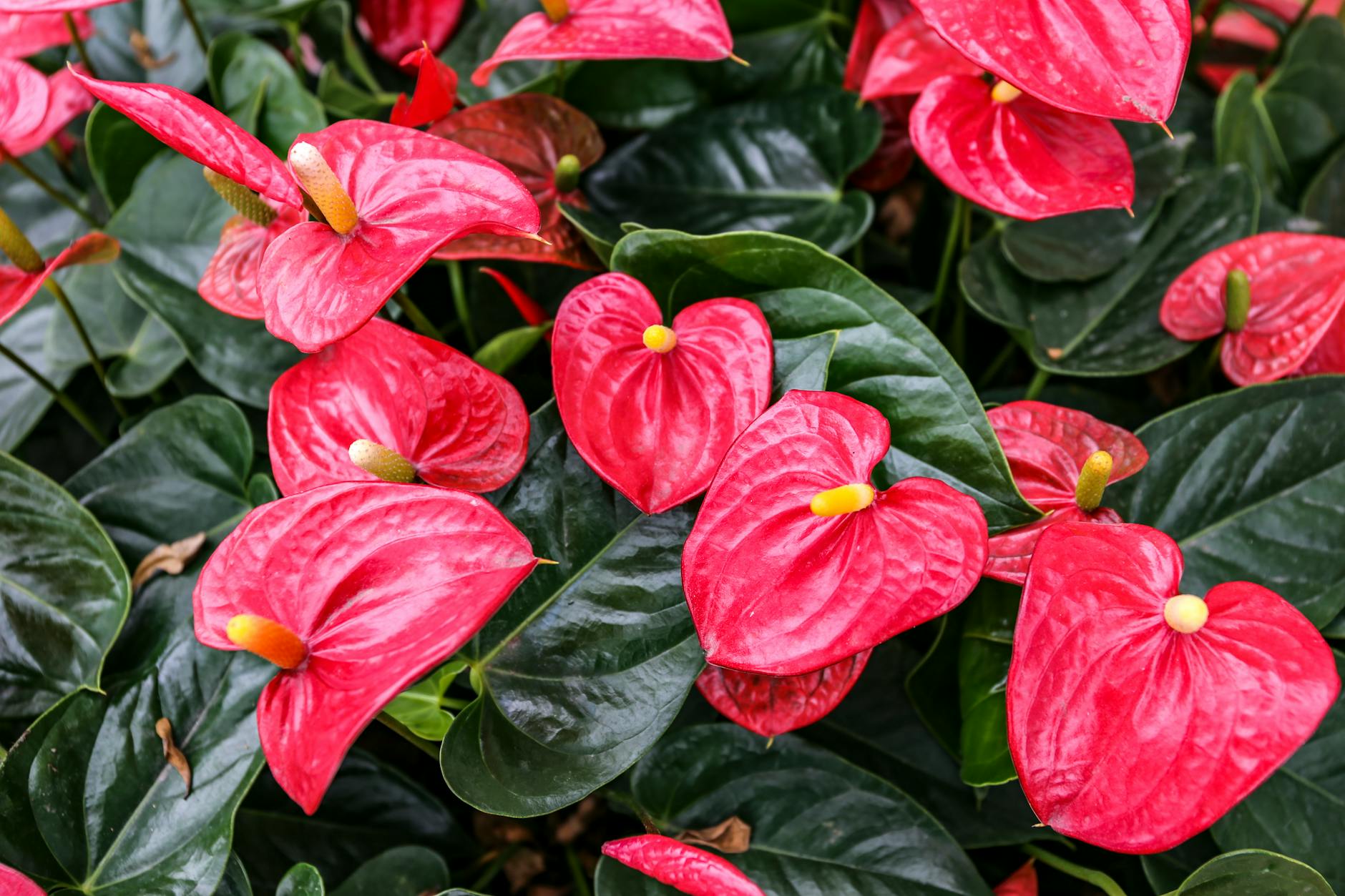
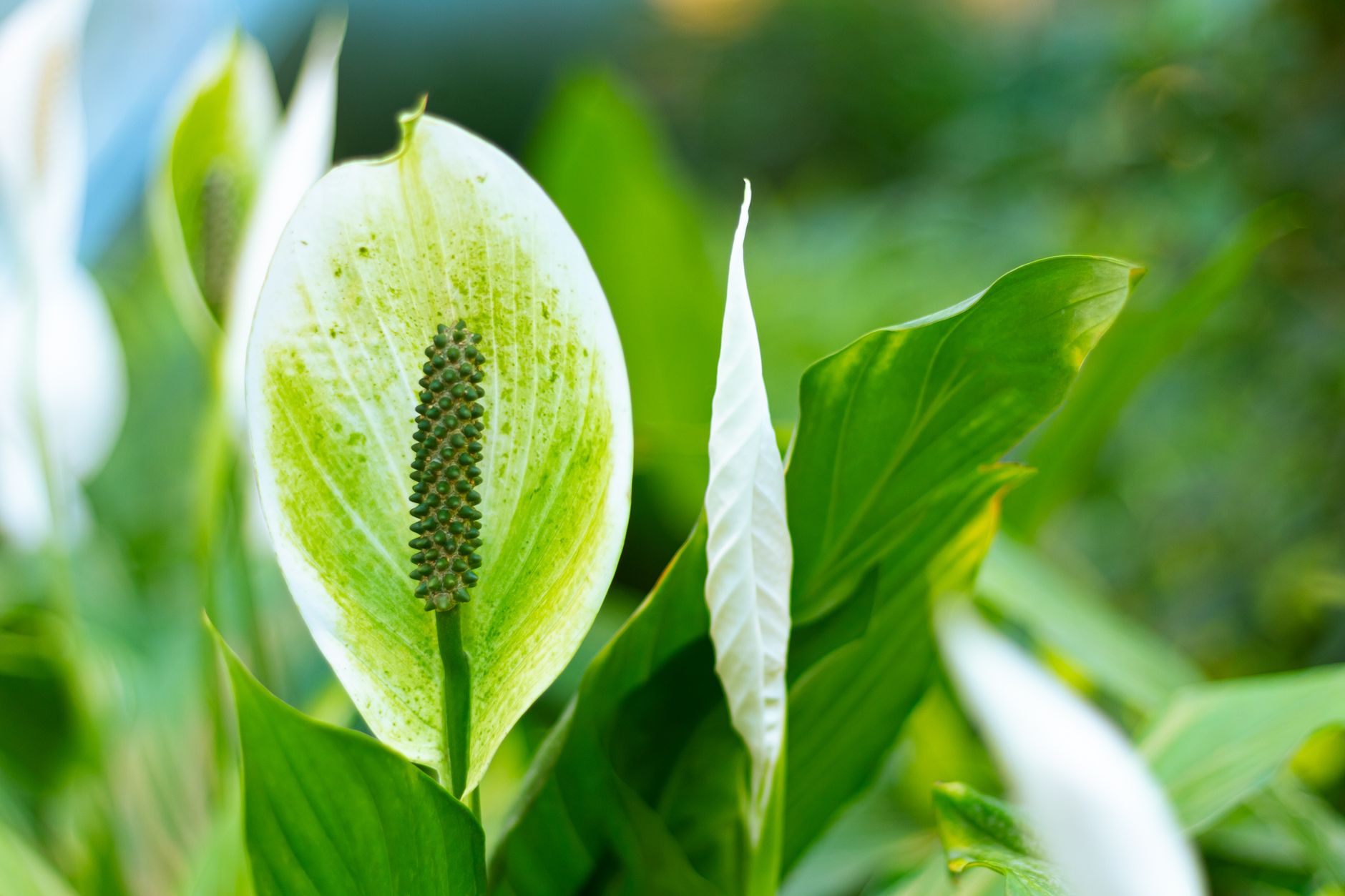
The red or pink part of an Anthurium andraeanum is not a flower. It is a spathe — a modified leaf, technically a bract, that evolved to attract pollinators to the actual flowers clustered along the yellow or cream spike rising from its centre. That spike is the spadix, and the tiny structures on its surface are the true flowers of the plant. The same structure — spathe plus spadix — appears in Peace Lilies, Calla Lilies, and Monstera, though in those plants the spathe is less waxy and vivid. Understanding this matters for care: what you think of as the flower lasts 6-8 weeks per spathe, and a well-maintained Anthurium produces spathes continuously throughout most of the year.
At a glance: Flamingo Flower care
- Light: Bright, indirect. More light means more spathes.
- Water: When the top 2-3cm of soil is dry. More frequent than succulents; less frequent than ferns.
- Humidity: High. 60%+ extends spathe life and prevents brown tips.
- Temperature: 18-27°C, always above 15°C. Stable warmth.
- Toxicity: Toxic to cats, dogs and horses.
- Difficulty: Easy. The main variables are light (for flowering) and humidity (for appearance).
What is a Flamingo Flower?
Anthurium andraeanum is native to the cloud forests of Colombia and Ecuador, where it grows as an epiphyte or terrestrial plant in warm, humid, shaded conditions at altitude. The cloud forest environment — high humidity, consistent warmth, dappled light, no frost — maps directly onto what the plant needs indoors.
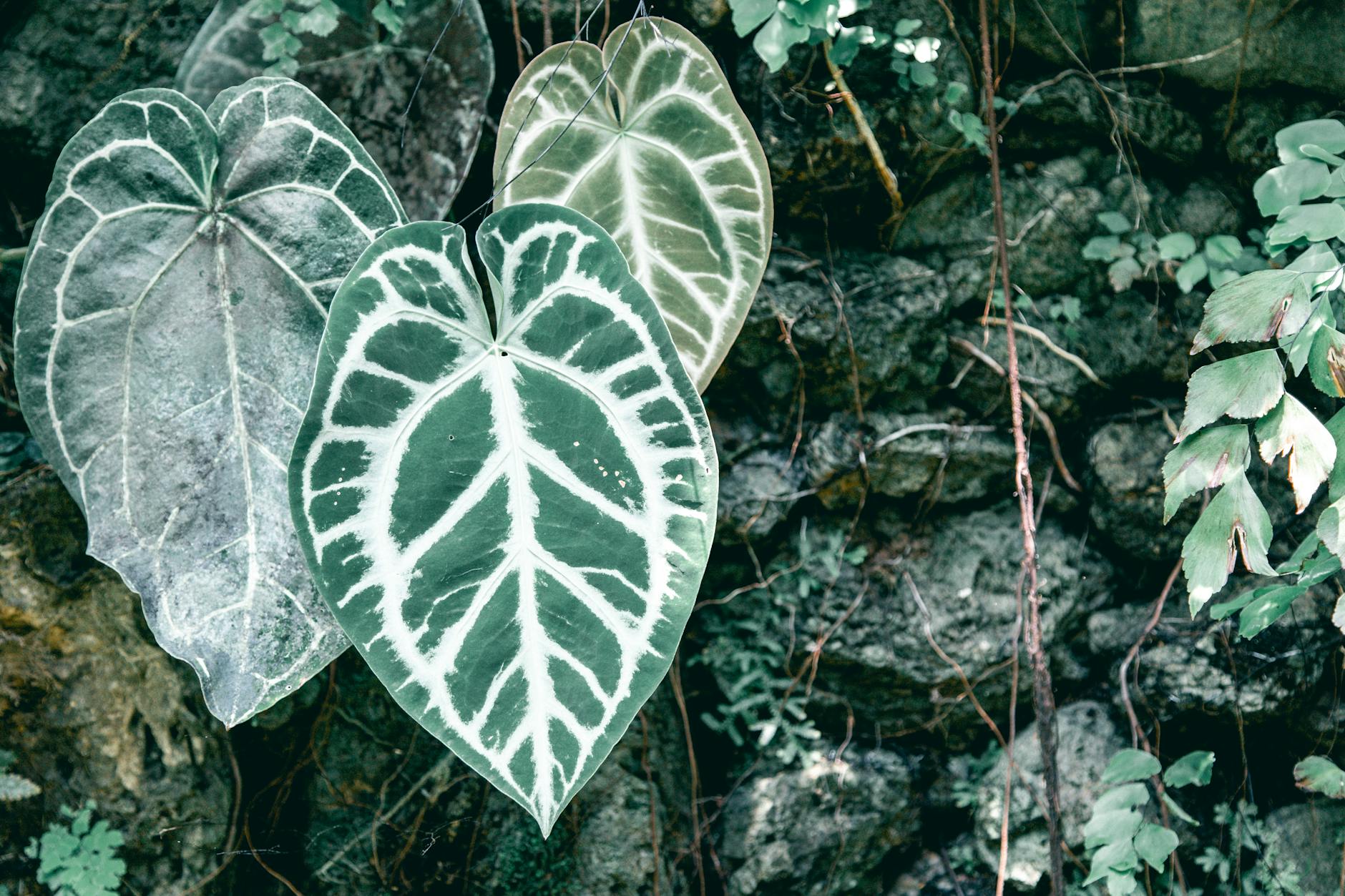
Anthurium is a large genus of over 1,000 species within the Araceae family, including relatives like the Velvet Anthurium grown primarily for foliage rather than flowers. Anthurium andraeanum is the most widely cultivated for its ornamental spathes, which are naturally red in the species but have been bred in white, pink, salmon, orange, and near-black through decades of horticultural selection.
The Flamingo Flower is commonly sold as a gift plant — brightly coloured, in bloom, in a small pot. Many of these plants die within a few months because the care conditions in a typical living room (insufficient light, low humidity, over- or underwatering) do not match what the plant needs. A Flamingo Flower that receives adequate light and humidity is not a difficult plant; one that receives neither will decline slowly regardless of effort.
The waxy, lacquered appearance of the spathe is not a coating applied in horticulture — it is the natural surface of the modified leaf. New spathes emerge green, turn red (or their cultivar colour) as they mature, and gradually fade back through green to pale as they age over 6-8 weeks.
How much light does a Flamingo Flower need?
Anthurium andraeanum needs bright, indirect light. A spot near an east- or west-facing window, or a metre back from a south-facing window, produces the most consistent flowering. In lower light, the plant grows and maintains its foliage but produces few or no spathes.
No direct sun — particularly avoid direct midday and afternoon sun, which bleaches and burns the glossy leaves and spathes.
Signs your Flamingo Flower needs more light:
- No new spathes forming for more than 3-4 months
- Existing spathes fading quickly without new ones following
- Leaf colour becoming pale rather than deep green
Signs of too much direct sun:
- White or bleached patches on spathe surfaces
- Brown, scorched leaf edges
- Spathes losing their deep colour and turning pale prematurely
How often to water a Flamingo Flower
Water when the top 2-3cm of soil is dry, then water thoroughly. In a warm, bright room in summer, this is typically every 5-7 days. In winter, every 10-14 days is common.
The Flamingo Flower sits between the ferns (which need consistently moist soil) and the succulents (which need completely dry soil between waterings). It does not tolerate either extreme for long. Allowing the soil to dry out too much between waterings causes wilting and spathe damage. Consistent overwatering causes the root rot that is the most common cause of Anthurium decline.
Water quality matters. Fluoride in tap water contributes to the brown tips on leaves and spathes that are otherwise attributed to low humidity. Use filtered water or let tap water stand overnight.
Signs of overwatering:
- Yellow leaves, particularly on older growth
- Mushy, dark stem sections at the base
- Soil remaining wet for more than a week
- A sour smell from the potting mix
Signs of underwatering:
- Leaves and spathes drooping and losing their firm posture
- Soil completely dry and pulling away from the pot sides
- Spathes developing brown patches before their natural end-of-life
The right humidity for a Flamingo Flower
High humidity — 60% or above — is where the Flamingo Flower genuinely shows the difference. In adequate humidity, spathes remain vivid and firm for 6-8 weeks; in dry air, they develop brown tips and curl prematurely. The foliage also benefits: leaves stay glossy and damage-free in humid conditions.
Practical approaches:
- A humidifier running nearby, particularly in winter, is the most effective solution — the same fix that helps a Heartleaf Philodendron through winter
- Grouping with other plants raises local humidity modestly
- A pebble tray with water beneath the pot helps at the leaf level
- Placement away from heating vents and radiators prevents the worst of the dry-air problem
Best temperature range for a Flamingo Flower
Anthurium andraeanum grows best between 18-27°C and requires temperatures to remain above 15°C at all times. Below 15°C, growth stops and the spathes deteriorate; below 10°C, cold damage to the leaves occurs.
What to avoid:
- Cold drafts from open windows or air conditioning directly on the plant
- Temperatures below 15°C sustained for more than brief periods
- Moving the plant repeatedly — stability encourages continuous flowering
The best soil and pot for a Flamingo Flower
A chunky, well-draining aroid mix is ideal: a standard indoor mix combined with 20-25% perlite, or a purpose-made aroid blend. The roots need air and fast drainage — they are epiphytic in origin and do not tolerate waterlogged soil.
A drainage hole is essential. Root rot is the most serious Anthurium problem and is caused almost entirely by water accumulating at the root level.
Anthuriums often flower more freely when slightly root-bound. Avoid overpotting — choose a container only 2-3cm wider than the current root ball.
When and how to fertilize a Flamingo Flower
Fertilize monthly during spring and summer with a balanced liquid fertilizer at half the recommended strength. For a plant that is growing well but not producing spathes, a fertilizer with a higher phosphorus content (the middle number on the NPK ratio) can encourage flowering.
Stop in autumn and skip winter. Skip the first 4-6 weeks after repotting.
How to propagate a Flamingo Flower
Division at repotting time is the standard method. Anthurium andraeanum grows from a clumping rhizome that produces multiple stems over time.
- Remove the plant from its pot and gently clear soil from the roots.
- Identify where stems separate naturally, each with its own root system.
- Pull or cut the sections apart cleanly.
- Each section with at least 2-3 leaves and a functional root system will grow into a new plant.
- Pot each division in fresh, moist aroid mix.
- Keep in a warm, humid spot with indirect light for 2-3 weeks while roots re-establish.
Newly divided plants may not produce spathes for 2-3 months while they re-establish — this is normal, not a sign of failure.
Is Flamingo Flower toxic to pets?
Yes, Anthurium andraeanum is toxic to cats, dogs and horses. Like all aroids, the plant contains calcium oxalate crystals throughout its leaves, stems, and spathes. These cause:
- Immediate burning and irritation in the mouth, lips, and throat
- Excessive drooling and pawing at the mouth
- Difficulty swallowing
- Vomiting
The reaction begins immediately on contact and is painful, though not typically life-threatening for healthy adult animals. The attractive, waxy spathes may draw attention from curious pets. Keep the plant out of reach, particularly if you have animals that chew houseplants. If ingestion occurs, rinse the animal’s mouth with water and contact a vet if symptoms persist.
Cultivars at a glance
Anthurium andraeanum 'White Champion'
Pure white spathes. A sophisticated alternative to the common red. Same care requirements.
Anthurium andraeanum 'Pink Champion'
Soft pink spathes. Flowers reliably for months with adequate humidity and indirect light.
Anthurium andraeanum 'Black Beauty'
Deep burgundy-black spathes that appear almost black in low light. Striking and unusual; same care as the standard species.
Quick problem look-up
No spathes (flowers) forming
Flamingo flowers need bright, indirect light for 6 to 8 hours daily to bloom reliably. Move your plant closer to an east or west-facing window. Simultaneously, switch to a phosphorus-rich fertilizer during the growing season at half strength monthly. Temperatures between 21 and 29 degrees Celsius support flowering best. Blooms typically appear within 4 to 8 weeks of improved conditions — a recently repotted plant may pause flowering for a few months while it re-establishes.
Yellow leaves
Yellow leaves almost always indicate overwatering, the leading cause of problems in Anthuriums. Allow the top 2 to 3 centimeters of soil to dry between waterings. Use a pot with drainage holes and well-draining potting mix. Water only when the soil feels dry to touch, typically every 10 to 14 days. If the roots are dark and mushy, root rot has set in and the plant needs repotting in fresh, dry mix. Remove yellow leaves and improve air circulation.
Brown leaf or spathe tips
Brown leaf or spathe tips result from low humidity or fluoride in tap water. Increase humidity to 60 percent or higher by misting leaves weekly or using a pebble tray. Switch immediately to filtered or distilled water, avoiding tap water with fluoride additives. Trim affected leaf tips with clean scissors. Maintain temperatures between 21 and 29 degrees Celsius for optimal plant health.
Drooping stems or leaves
Drooping stems indicate either underwatering or root rot from overwatering. Check soil moisture first by inserting your finger 2 centimeters deep. If dry, water thoroughly until drainage appears. If soggy, repot into fresh, well-draining soil immediately and trim rotted roots. Place in bright, indirect light and maintain humidity around 60 percent. Recovery typically takes 2 to 4 weeks with proper care.
Do you ever wonder when your plant needs water or feeding?
GreenIQ tracks it per plant and reminds you at the right moment — adjusted to the season, not a fixed day.
Free, no account, no tracking.
Download GreenIQMore plants like this
Similar plants with comparable care needs or aesthetic.
You might also like
Anthurium andraeanum · Last updated May 2026 · Photo by fei wang on Pexels