Plant Care Guide
Velvet Anthurium Care: The Complete Guide
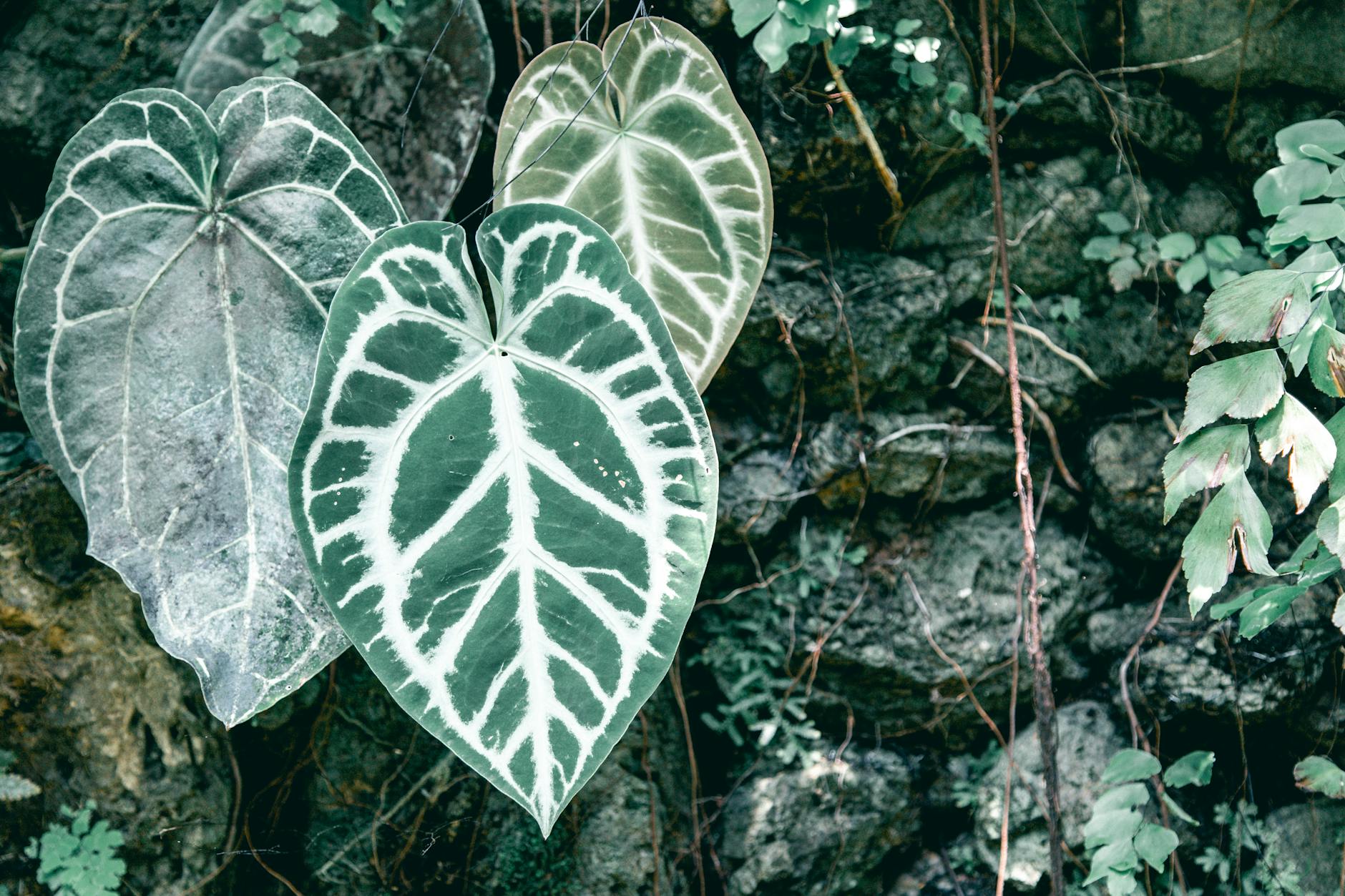
Velvet Anthurium (Anthurium clarinervium) is a collector's tropical aroid native to the rainforests of Chiapas in southern Mexico, known for its large heart-shaped dark-green leaves with prominent white veining and velvety texture, slow growth, and need for high humidity above 60 percent. Water when the top 2–3 cm of soil dries out, typically every 5–7 days.
Quick facts
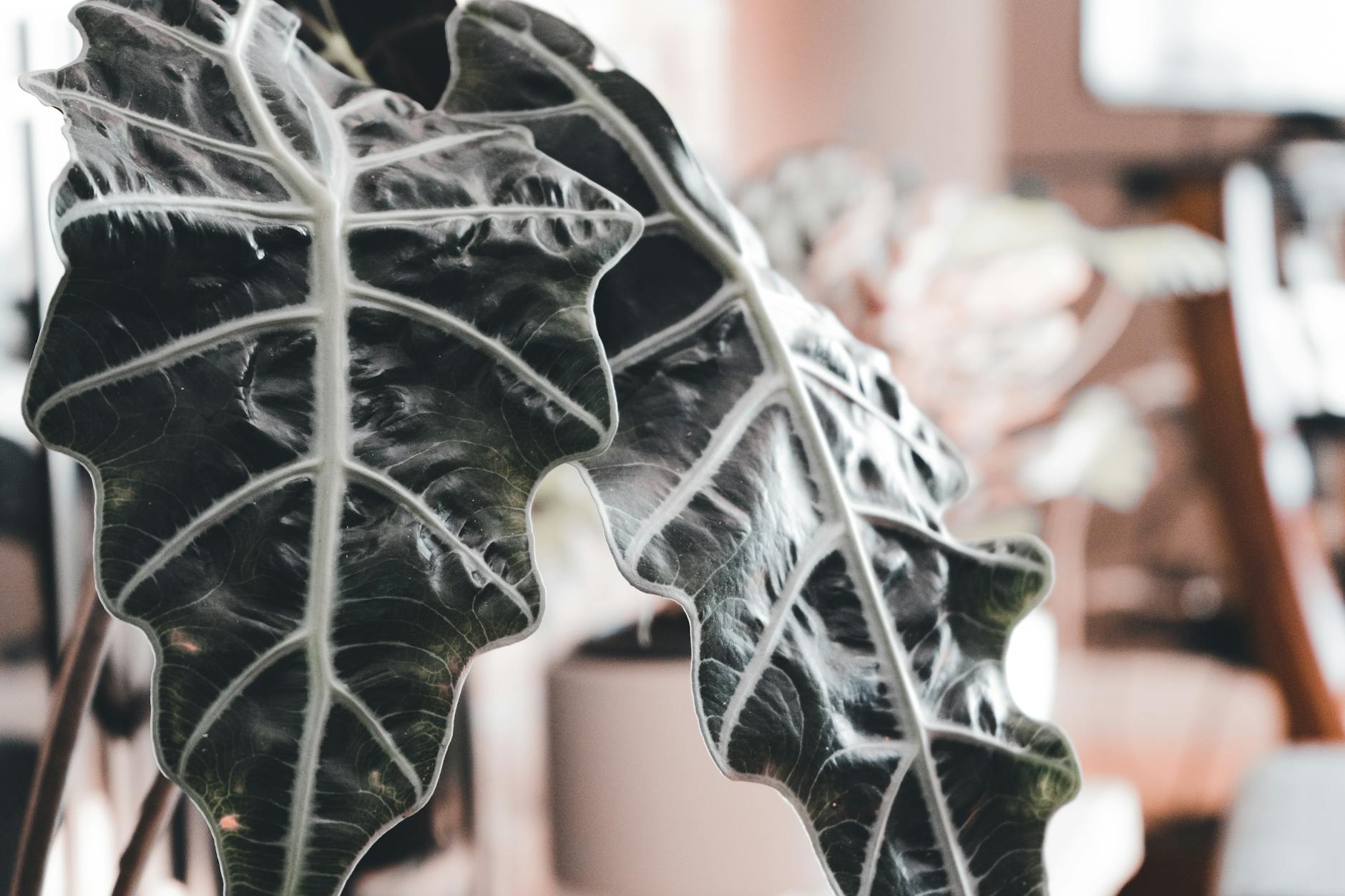
Walk into a specialist houseplant shop and the price tag on an Anthurium clarinervium will stop most people. Where a standard Anthurium andraeanum costs 8–12 euros, a Velvet Anthurium in a 12-centimetre pot typically runs 25–45 euros — considerably more for a mature plant with several large leaves. That price reflects what collectors are paying for: not flowers (the Velvet Anthurium produces them rarely and insignificantly), but the leaves. Large, heart-shaped, dark green, covered in a velvety texture produced by thousands of microscopic trichomes, with white veining that appears almost luminous in good light. The texture is not replicable by anything else on the shelf.
At a glance: Velvet Anthurium care
- Light: Bright, indirect. Never direct sun — it bleaches the velvet surface and damages the deep leaf colour.
- Water: When the top 2–3cm of soil is dry. Does not tolerate consistently wet soil.
- Humidity: High. 60%+ for best leaf quality; lower humidity causes brown edges.
- Temperature: 16–27°C, no below 13°C. Stable warmth with no cold drafts.
- Toxicity: Toxic to cats, dogs, and horses — contains calcium oxalate crystals.
- Difficulty: Hard. Slow-growing, humidity-demanding, and expensive enough that mistakes are costly.
What is a Velvet Anthurium?
Anthurium clarinervium is native to the humid subtropical forests of Chiapas, Mexico, where it grows terrestrially and epiphytically in limestone-rich, well-draining terrain under dense forest canopy. Its habitat is characterised by high humidity, bright filtered light, excellent drainage, and consistent warmth — conditions that clarinervium demands with less tolerance for deviation than most aroids.
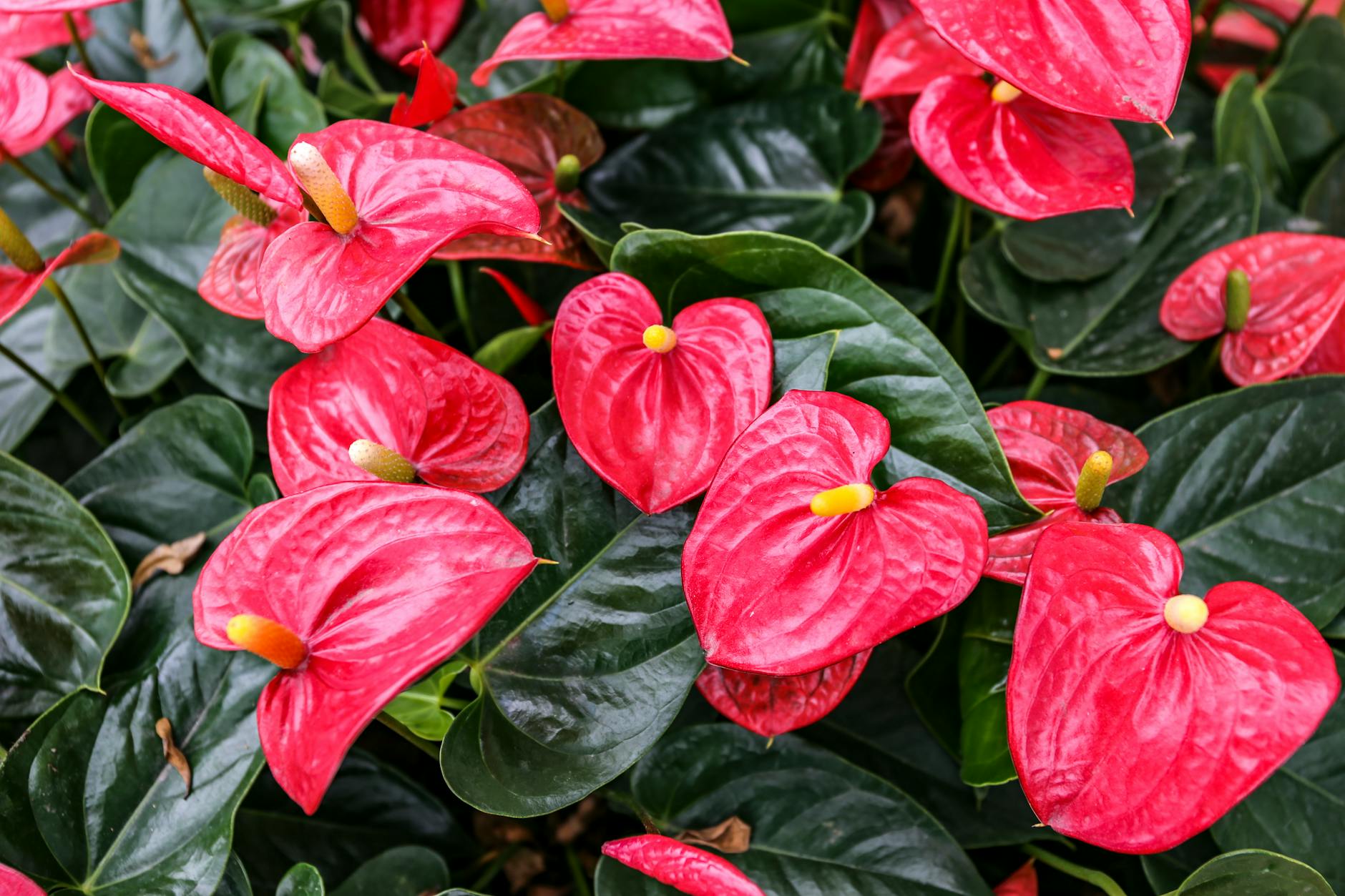
The Anthurium genus contains over 1,000 species, making it the largest genus within the Araceae family. Most species grown as houseplants are Anthurium andraeanum, valued for its colourful waxy spathes — the Flamingo Flower. The Velvet Anthurium is the opposite: it is grown entirely for its foliage, and its flowers — small, unremarkable green spathes — are a secondary feature that most growers ignore. For a detailed guide to the flowering Anthurium, see the Flamingo Flower care guide.
The defining characteristic of clarinervium is tactile, not just visual. The velvety surface comes from trichomes — thousands of tiny, dense hair-like structures covering the leaf surface. Under a hand lens, each leaf looks like a miniature green fabric. This trichome layer is not fragile: it does not rub off with handling. However, the leaves themselves are thick and stiff, and physical damage — creasing, tearing, puncturing — does not heal. Each leaf is permanent in its condition from the moment it matures.
How much light does a Velvet Anthurium need?
Anthurium clarinervium needs bright, indirect light — close to a light source, but with no direct sun reaching the leaf surface. A spot 30–60 centimetres from an east-facing window, or 1–1.5 metres back from a south-facing window, provides the right intensity. Light from above — as provided by a grow light positioned 30–40 centimetres overhead — suits this plant’s natural low-canopy origins well.
Direct sun, particularly midday and afternoon sun, bleaches the dark green leaf surface and reduces the contrast between the green background and the white veining. The trichome layer amplifies rather than protects against sun damage.
Signs your Velvet Anthurium needs more light:
- New leaves arriving very small compared to established leaves
- Very slow growth — fewer than one new leaf per month during the growing season
- Leaf colour becoming duller and flatter rather than the deep lustrous green of a well-lit plant
Signs of too much direct sun:
- Pale or bleached patches on leaf surfaces, particularly the upper side
- The white veining losing contrast against a washed-out green background
- Leaf edges developing dry, papery brown patches
How often to water a Velvet Anthurium
Water when the top 2–3cm of soil is dry. At room temperature in summer, this is typically every 5–7 days. In winter, or in cooler, lower-light conditions, every 8–12 days is more typical.
The chunky aroid mix required by this plant dries faster than standard potting soil. Check by pushing a finger 2–3cm into the mix rather than relying on calendar intervals — the drying rate varies significantly with temperature, pot size, and seasonal light levels.
Signs of overwatering:
- Yellow leaves, particularly on the most recently produced growth
- A musty smell from the pot
- The chunky mix staying wet for more than 8–10 days after watering
Signs of underwatering:
- Leaves losing their upright posture and beginning to droop slightly
- The mix feeling completely dry throughout when checked
- Very slow or paused new growth during the active growing season
Root rot is the most serious risk for Velvet Anthurium. Given the plant’s slow growth rate and replacement cost, avoiding overwatering is worth particular attention — a root rot event that would merely set back a faster-growing plant can mean months of recovery time for clarinervium.
The right humidity for a Velvet Anthurium
60–70% humidity is the target range. In humidity below 50%, the leaf edges begin to brown — first the tips, then the margins progressively inward. This browning does not reverse once it has occurred; the affected leaf remains marked permanently, and recovery means waiting for undamaged new growth.
Practical approaches:
- A humidifier running nearby, particularly in winter, is the most effective solution
- Placement in a kitchen or bathroom with adequate bright indirect light leverages naturally higher ambient humidity, the same approach used for a Calathea Ornata
- A humidity tray beneath the pot contributes meaningfully at leaf level
- Enclosing the plant in a clear plant cabinet (a common approach among aroid collectors) allows a highly controlled environment — this suits clarinervium’s humidity demands well
Misting alone is insufficient and can encourage fungal spotting on the trichome surface in low-airflow conditions.
Best temperature range for a Velvet Anthurium
Anthurium clarinervium grows best in 16–27°C, with stable conditions more important than the specific number. It is sensitive to cold — below 13°C the plant pauses growth entirely; below 10°C, cold damage to the leaves occurs.
What to avoid:
- Temperatures below 13°C for any sustained period
- Cold drafts — particularly winter drafts near windows or external doors
- Temperature swings from being positioned near radiators that cycle on and off
The best soil and pot for a Velvet Anthurium
A chunky aroid mix is essential — bark chips, perlite, and horticultural charcoal in roughly equal proportions, or a purpose-formulated aroid substrate. The roots of clarinervium evolved in rocky, well-drained limestone terrain; they require air circulation and rapid drying after watering. Standard indoor potting mix holds too much moisture and leads to the root rot that is the most common cause of Velvet Anthurium decline.
A drainage hole is non-negotiable. Choose a pot only marginally larger than the current root ball — overpotting in any mix, even a chunky one, increases the volume of un-rooted substrate that holds excess moisture.
When and how to fertilize a Velvet Anthurium
Fertilize monthly during spring and summer with a balanced liquid fertilizer at half the recommended strength. Given the plant’s slow growth rate, it is easy to overfeed — salt accumulation in the chunky mix causes root burn that manifests as browning leaf edges, which can be difficult to distinguish from humidity deficiency.
Some growers prefer a very diluted fertilizer at every watering instead of a monthly dose. If using this approach, reduce to 1/8 strength to prevent salt build-up.
Stop in autumn. Skip winter entirely.
How to propagate a Velvet Anthurium
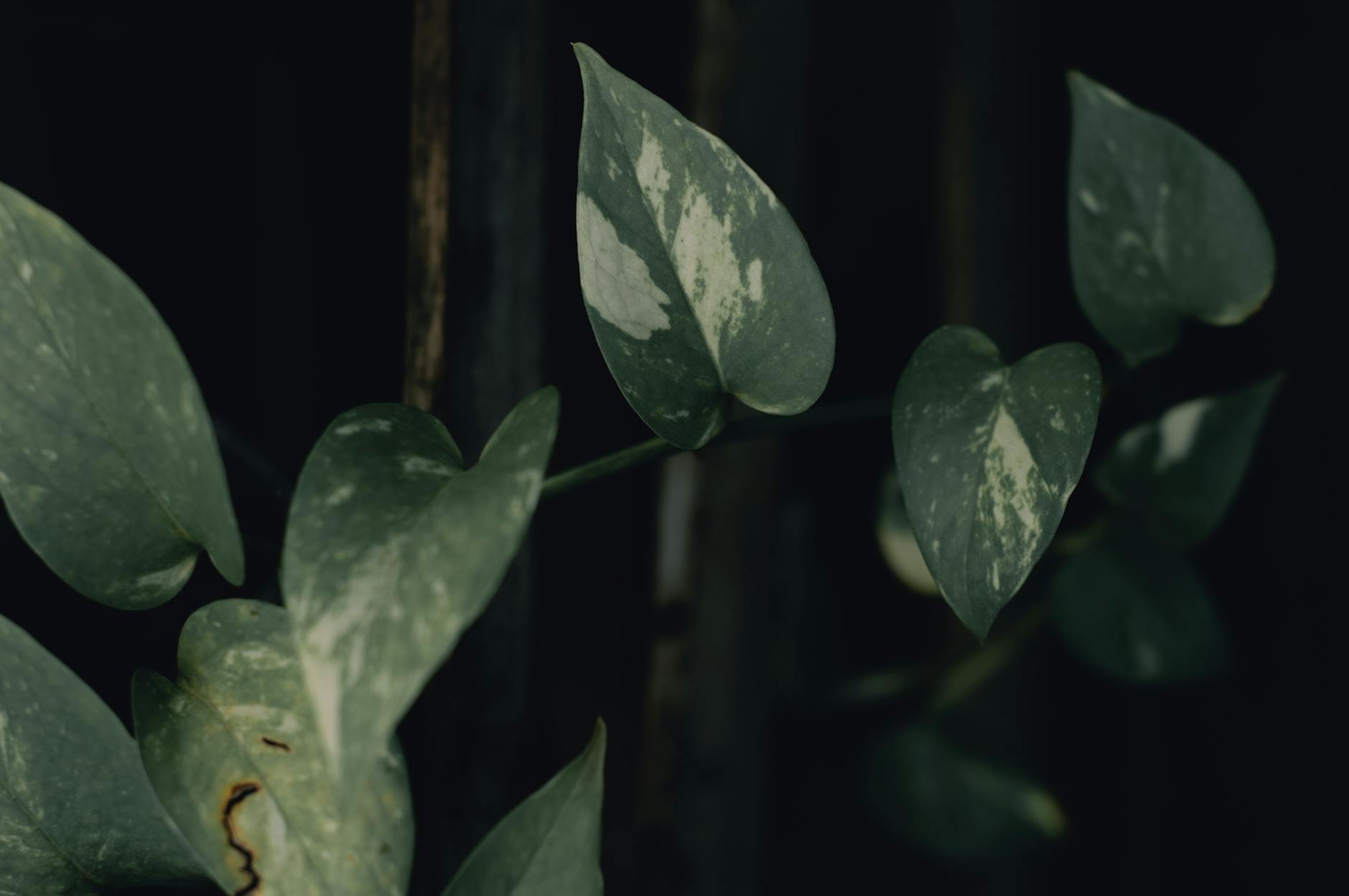
Stem cutting propagation is possible but considerably slower than in faster-growing aroids like a Pothos or Heartleaf Philodendron.
- Identify a stem section with at least one node (the point where a leaf attaches) and, ideally, visible aerial roots at the node.
- Cut the stem cleanly with a sterile blade, leaving a few centimetres of stem above and below the node.
- Allow the cut surfaces to callous for 30–60 minutes before planting.
- Press the cutting into moist sphagnum moss or a chunky aroid mix, with the node at or just below the surface.
- Enclose in a clear bag or humidity chamber to maintain 80%+ humidity while roots establish.
- Move to normal conditions once new leaf growth begins — typically 6–10 weeks.
A successfully rooted cutting produces its first leaf within 6–12 weeks, but reaches display-worthy size slowly. Given the price of healthy cuttings when purchased separately, propagating from an established plant is worthwhile if the parent plant has grown large enough to spare a stem.
Is Velvet Anthurium toxic to pets?
Yes — Anthurium clarinervium is toxic to cats, dogs, and horses. Like all aroids, the plant contains insoluble calcium oxalate crystals throughout its leaves and stems. Ingestion causes immediate burning and irritation of the mouth and throat, excessive drooling, and vomiting. The sap can also cause skin irritation — wear gloves when handling the plant, particularly when cutting or propagating.
The large, accessible leaves are attractive to curious animals. Keep the plant out of reach in households with pets that chew houseplants. If ingestion occurs, rinse the animal’s mouth with water and contact a vet if symptoms persist.
Quick problem look-up
Brown leaf edges or tips
Brown leaf edges indicate insufficient humidity, the most frequent problem with Velvet Anthuriums. Maintain humidity above 60 percent consistently using a pebble tray, humidifier, or grouping plants together. Mist leaves every two days, but avoid wetting the soil directly. Move away from heating vents and air conditioning sources that dry the air rapidly. If humidity is already adequate and browning persists, check the water source: fluoride and chlorine in tap water also cause edge browning.
Yellow leaves
A single yellow leaf on an otherwise healthy plant is usually just natural aging of older growth. Multiple yellowing leaves typically signal overwatering. Velvet Anthuriums prefer soil that dries slightly between waterings, not soggy conditions. Water only when the top 2 centimeters feel dry to touch. Use well-draining aroid mix with perlite or bark. Empty drainage saucers immediately after watering to prevent root exposure to standing water.
No new leaves or very slow growth
One new leaf every three to five weeks during the growing season is normal for this inherently slow-growing collector plant, so do not mistake that pace for a problem. If growth has stopped even at that rate, the cause is usually inadequate light or humidity. Provide bright, indirect light near an east or west window for six to eight hours daily. Maintain humidity consistently above 60 percent using a humidifier. Feed monthly with half-strength liquid fertilizer during growing season only.
Root rot
Root rot develops when soil remains waterlogged too long. Use chunky aroid potting mix with orchid bark, perlite, and sphagnum moss for rapid drainage. Always pot in containers with drainage holes. Water thoroughly but allow soil to dry slightly between waterings. Repot immediately if you detect mushy roots or smell decay, cutting away affected tissue and placing the plant in a humidity chamber afterward to reduce transpiration demand while the damaged root system recovers.
Do you ever wonder when your plant needs water or feeding?
GreenIQ tracks it per plant and reminds you at the right moment — adjusted to the season, not a fixed day.
Free, no account, no tracking.
Download GreenIQMore plants like this
Similar plants with comparable care needs or aesthetic.
You might also like
Anthurium clarinervium · Last updated June 2026 · Photo by sukrit lamthong on Pexels