Plant Care Guide
ZZ Plant Care: The Complete Guide
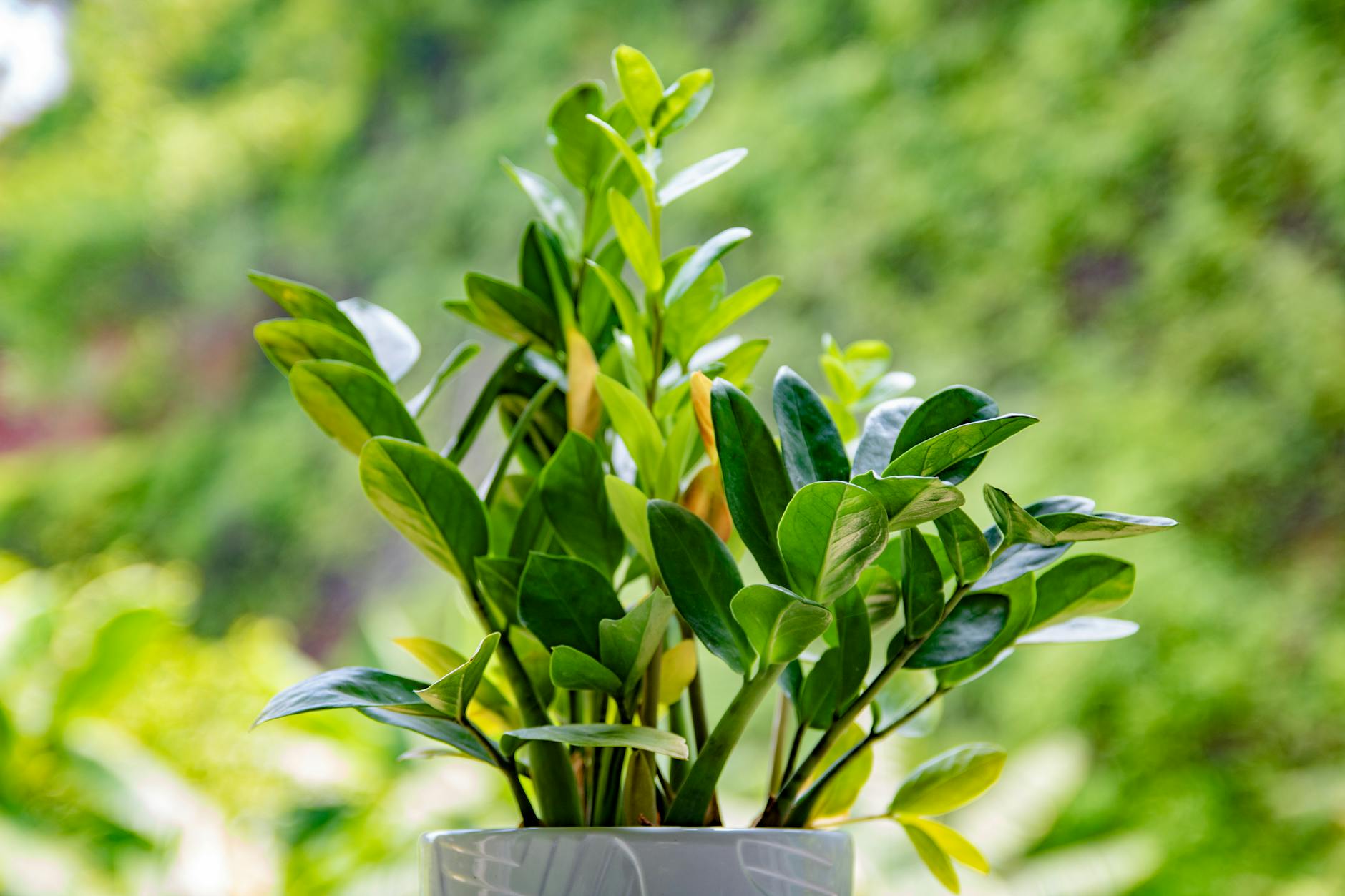
ZZ Plant (Zamioculcas zamiifolia) is a drought-tolerant rhizomatous perennial native to East Africa, known for its glossy dark-green compound leaves, near-indestructible nature, and exceptional tolerance of low light and infrequent watering. Water every 2–3 weeks, allowing the soil to dry fully between waterings.
Quick facts
Zamioculcas zamiifolia — the ZZ Plant — can go six weeks without water in a dim office and look completely fine, tolerating the same low light as a Chinese Evergreen. That is not an exaggeration; it is what the plant’s underground rhizomes — thick, swollen root structures that store water and nutrients — make possible. This guide covers those adaptations, what they mean for care, and the one mistake that kills ZZ Plants despite their apparent indestructibility.
At a glance: ZZ Plant care
- Light: Low to bright indirect. One of the widest light tolerances of any common houseplant.
- Water: When the top 2-3cm of soil is dry.
- Humidity: Low. Handles the dry air from central heating without any special treatment.
- Temperature: 18-27°C ideal. Tolerates down to 10°C briefly.
- Toxicity: Toxic to cats, dogs and horses.
- Difficulty: Easy. Genuinely tolerates neglect — just don’t overwater.
What is a ZZ Plant?
Zamioculcas zamiifolia is the only species in the genus Zamioculcas — a monotypic genus within the Araceae family, making it a distant relative of Pothos, Monstera, and Peace Lily. It is native to the rocky, seasonally dry habitats of Kenya and Tanzania in Eastern Africa, where long dry seasons alternate with short, heavy rains. That climate shaped everything about how the plant grows.
The ZZ Plant made its way into the houseplant trade in the 1990s, when Dutch nurseries began commercially propagating it for export. Before that it was largely unknown outside its native range. It became popular quickly because it solved a genuine problem: most tropical houseplants need frequent watering and decent light. The ZZ Plant does not. It became the default recommendation for difficult indoor environments where other plants routinely failed.
The name “Zanzibar Gem” hints at its geographic origins. “Aroid Palm” describes its leaf shape — the arching stems with paired leaflets genuinely resemble a small palm frond, despite the plant being completely unrelated to palms.
How much light does a ZZ Plant need?
Zamioculcas zamiifolia handles low to bright indirect light — a range that is genuinely as wide as it sounds. It will tolerate a north-facing room or a spot several metres from the nearest window. It will also grow well in bright, indirect light near an east- or west-facing window. In brighter conditions the plant grows noticeably faster. In low light it barely grows at all, but it does not deteriorate.
The Raven ZZ cultivar with its near-black leaves behaves identically to the standard species — same light tolerance, same watering, same pace. New Raven leaves emerge lime-green and gradually darken to deep purple-black over several weeks, which is one of the more striking visual processes of any common houseplant.
Signs your ZZ Plant needs more light:
- No new stems emerging in spring or summer
- Existing stems leaning heavily toward the nearest window
- New leaves arriving smaller than established ones
Signs of too much direct sun:
- Yellow or white bleached patches on leaf surfaces
- Crispy, brown leaf margins
- Leaves appearing washed out rather than glossy
ZZ Plants do not tolerate sustained direct sun through glass. Bright morning sun for a couple of hours is acceptable, but midday or afternoon summer sun will cause bleaching and eventually leaf drop.
How often to water a ZZ Plant
The ZZ Plant stores water in its underground rhizomes — thick, swollen root structures that function like a reservoir. This is the adaptation that makes the plant genuinely drought-tolerant, not just mildly tolerant the way many houseplants are claimed to be. A well-established ZZ Plant can go six weeks or more without water and recover without lasting damage.
Water when the top 2-3cm of soil is dry, then water thoroughly until water drains from the bottom. In a warm room in summer, this is typically every 2-3 weeks. In a cool room in winter, monthly or less is normal.
The rhizomes make overwatering, not underwatering, the real danger. Soggy soil causes the rhizomes to rot — a slow process that is often invisible above the soil surface until significant damage has already occurred.
Signs of overwatering:
- Yellow leaves, typically appearing across multiple stems simultaneously
- Soft, mushy sections at the base of stems near the soil
- A sour smell from the potting mix
- Soil staying wet for more than two weeks after watering
Signs of underwatering:
- Leaves looking dull rather than glossy
- Leaflets beginning to drop from stems
- Soil completely dry, pulling away from the pot edges
An underwatered ZZ Plant recovers quickly once watered. Root rot from overwatering requires removing the plant, cutting away damaged rhizomes and roots, and repotting in fresh, dry mix — a much longer recovery process.
The right humidity for a ZZ Plant
The ZZ Plant requires no special humidity management. It tolerates the 30-50% humidity of most homes year-round, including during winter when central heating significantly dries the air. No misting, no humidifier, no pebble tray.
In very low humidity (below 30%), brown leaf tips may appear over time. Moving the plant away from heating vents and radiators is usually sufficient to prevent this.
Best temperature range for a ZZ Plant
Zamioculcas zamiifolia grows best between 18-27°C and tolerates brief drops to 10°C. Below 10°C the leaves may develop dark, water-soaked patches and the rhizomes become more susceptible to rot.
What to avoid:
- Cold drafts directly on the plant from open windows or air conditioning
- Sustained temperatures below 12°C
- Placing the pot against a cold exterior wall or window in winter
The plant handles heat well, but in very warm conditions (above 30°C) it will need more frequent watering as the rhizomes draw down their reserves faster.
The best soil and pot for a ZZ Plant
A chunky, well-draining potting mix is essential. A standard indoor mix improved with 20-30% perlite works well. The goal is soil that dries out relatively quickly between waterings — the rhizomes need air around them, not sustained moisture.
A drainage hole is non-negotiable. The ZZ Plant’s thick rhizomes rot rapidly in waterlogged conditions, and there is no way to prevent this in a pot without drainage.
Pot size matters. Choose a container that fits the current root ball snugly. Overpotting — using a container that is much larger than the root ball — leaves a lot of wet, unused soil sitting around the rhizomes, which is a direct cause of rot. Terracotta is a good material choice because it allows moisture to escape through the walls.
When and how to fertilize a ZZ Plant
Fertilize once a month during spring and summer with a balanced liquid houseplant fertilizer at half the recommended strength. The ZZ Plant is a slow grower and does not need heavy feeding. Excess fertilizer accumulates as salt in the soil, causing tip burn.
Stop feeding in autumn. Skip winter entirely and skip the first 4-6 weeks after repotting, as fresh potting mix already contains nutrients.
How to propagate a ZZ Plant
ZZ Plant propagation works, but requires patience — this is one of the slower plants to root. Two methods are reliable:
By division (fastest):
- Remove the plant from its pot and shake off the soil.
- Separate the rhizomes by pulling or cutting them apart. Each section with at least one stem and rhizome will grow into a new plant.
- Allow cut surfaces to air-dry for 24 hours.
- Pot each section in barely moist potting mix.
- Wait 1-2 weeks before first watering.
By leaf cutting (slowest, but works):
- Remove a healthy stem and strip individual leaflets from it.
- Insert the cut end of each leaflet 1-2cm into moist potting mix or stand in a shallow glass of water.
- Place in bright, indirect light.
- A small rhizome forms at the base of each leaflet in 3-6 months. A new stem emerges from the rhizome after that.
- Expect 9-12 months before you have a plant that looks like anything.
Division is significantly faster and produces usable plants within weeks. Leaf cuttings are mostly useful if you want to multiply a single plant into many without dividing the root system.
Is ZZ Plant toxic to pets?
Yes, Zamioculcas zamiifolia is toxic to cats, dogs and horses. Like other members of the Araceae family — Pothos, Philodendron, Peace Lily — the ZZ Plant contains calcium oxalate crystals. These microscopic needle-shaped structures cause immediate irritation when chewed or swallowed:
- Burning and irritation in the mouth and throat
- Excessive drooling and pawing at the mouth
- Difficulty swallowing
- Occasional vomiting
The reaction is not life-threatening for healthy adult animals but causes genuine distress. If you have pets that chew houseplants, keep the ZZ Plant out of reach — or choose a pet-safe alternative such as a Spider Plant or Boston Fern. The plant’s low-light tolerance makes it easy to position on high shelves or in rooms pets do not access.
Cultivars at a glance
Zamioculcas zamiifolia 'Raven'
Almost black-purple leaves when mature. New growth emerges lime-green and darkens. Same easy care as the species.
Zamioculcas zamiifolia 'Lucky Classic'
Compact form with shorter stems. Stays tidier on shelves. Identical care requirements.
Quick problem look-up
Yellow leaves on ZZ Plant
Yellow leaves indicate overwatering, the leading cause of ZZ Plant decline. These plants store water in underground rhizomes and prefer drying out between waterings. Water only when soil is completely dry, typically every two to three weeks. Ensure your pot has drainage holes. If roots feel mushy, repot into fresh, well-draining soil immediately to prevent permanent damage.
Brown leaf tips
Brown leaf tips result from low humidity or fluoride accumulation in tap water. Increase humidity by misting leaves weekly or grouping plants together. Better yet, use filtered or distilled water for watering. Existing brown tips will not recover, but new growth will be unaffected once conditions improve — trim off the damaged tips with clean scissors for appearance. Humidity around forty to fifty percent is ideal for ZZ Plants.
No new growth
Slow growth is completely normal during winter months when ZZ Plants rest naturally. In growing season, lack of new growth usually means insufficient light or dry rhizomes. Position your plant in bright, indirect light near an east or west-facing window. Water when soil is dry but ensure rhizomes aren't completely desiccated for months. Fertilize monthly with half-strength balanced fertilizer spring through summer.
Root rot or mushy rhizomes
Root rot develops from overwatering combined with poor drainage. ZZ Plants' thick rhizomes rot quickly in waterlogged soil. Remove the plant, inspect rhizomes for mushy, dark tissue, and trim away all affected portions with sterile scissors, dusting the cuts with cinnamon as a natural antifungal. Repot into well-draining cactus or succulent soil mix. Water sparingly until new growth appears, and always use pots with drainage holes and allow soil to dry completely between waterings.
Do you ever wonder when your plant needs water or feeding?
GreenIQ tracks it per plant and reminds you at the right moment — adjusted to the season, not a fixed day.
Free, no account, no tracking.
Download GreenIQMore plants like this
Similar plants with comparable care needs or aesthetic.
You might also like
Zamioculcas zamiifolia · Last updated May 2026 · Photo by Thành Đỗ on Pexels