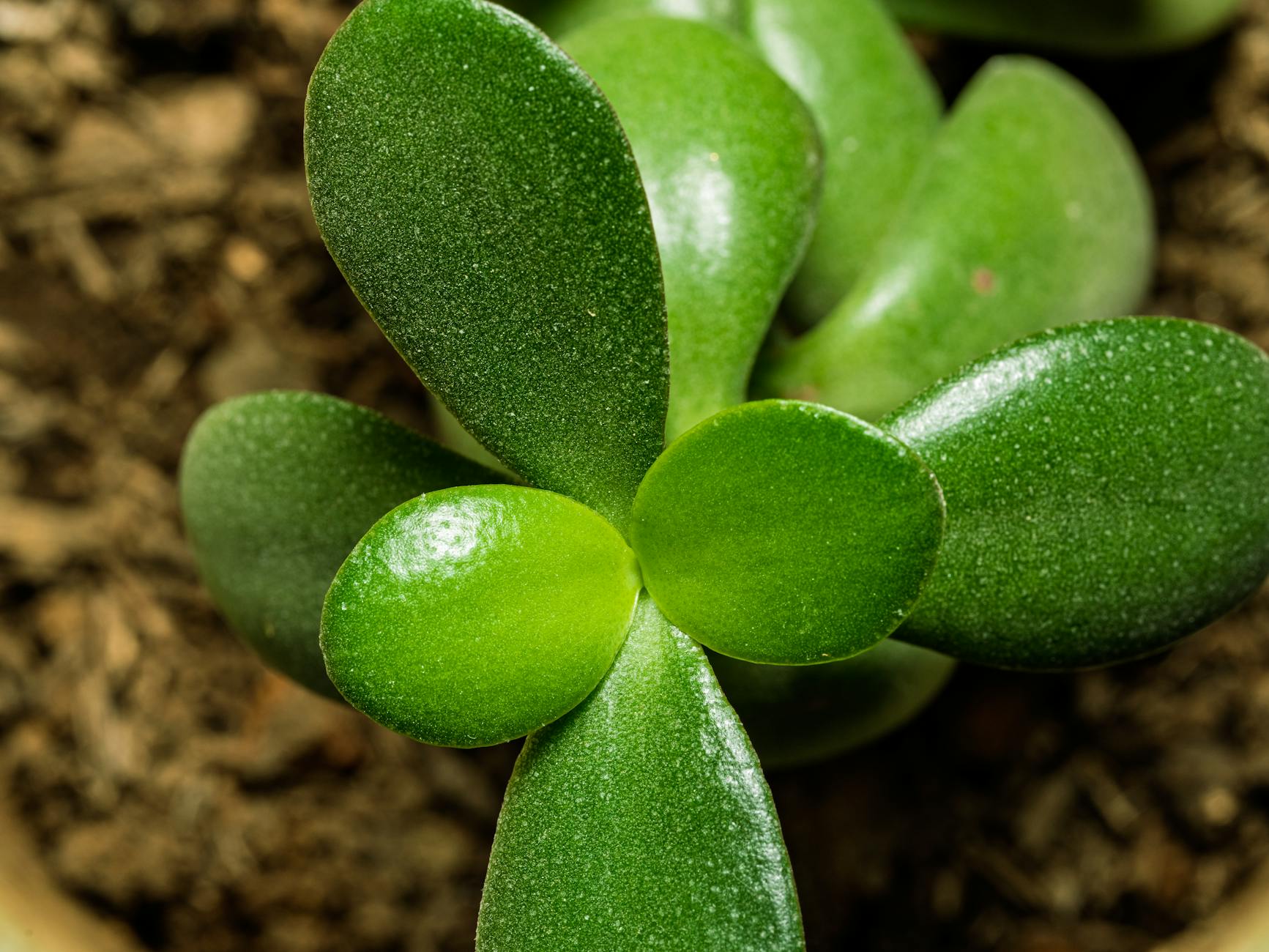
Plant Care Guide
Jade Plant Care: The Complete Guide
Jade Plant (Crassula ovata) is a succulent shrub native to South Africa and Mozambique, known for its thick fleshy oval leaves, woody trunk that develops with age, and capacity to live for decades indoors. Water when the top 5 cm of soil is fully dry, typically every 2–3 weeks in summer.
Quick facts
A Jade Plant watered on the same schedule as a fern or a pothos will rot. The thick, glossy leaves and woody trunk are water-storage organs — adaptations to the rocky, semi-arid terrain of southern Africa where the plant survives months without rain. Treat it like a tropical and it dies slowly from the roots up. Water it only when the soil is completely dry, give it direct sun, and it will outlive most plants in your home. This guide covers what Crassula ovata actually needs.
At a glance: Jade Plant care
- Light: Bright, direct to indirect — 4-6 hours of sun daily.
- Water: Allow soil to dry out completely between waterings.
- Humidity: Low — tolerates dry indoor air without complaint.
- Temperature: 8-30°C ideal, 18-24°C for optimal growth.
- Toxicity: Toxic to cats, dogs, and horses.
- Difficulty: Easy. Drought-tolerant and long-lived — the main risk is overwatering.
What is a Jade Plant?
Crassula ovata belongs to the family Crassulaceae and is native to the Eastern Cape and KwaZulu-Natal provinces of South Africa, and to Mozambique, where it grows in rocky, semi-arid terrain. It is a succulent shrub in the wild, reaching 2-3 metres in height over many decades. As a houseplant it grows much more slowly, but given enough time and good conditions, it will develop the thick woody trunk and branching structure that makes older specimens look like miniature trees.
The species has accumulated a notable collection of common names. “Money Tree” and “Lucky Plant” come from Feng Shui associations in which the rounded, coin-shaped leaves represent wealth and prosperity. “Friendship Tree” reflects the tradition of giving Jade Plant cuttings as gifts. In South Africa the plant is sometimes called the “Cauliflower Plant.”
The genus name Crassula means “thick” or “fat” in Latin — a reference to the succulent, water-storing leaves that characterise all species in the genus. The species name ovata means “egg-shaped,” describing the leaf form.
How much light does a Jade Plant need?
Crassula ovata needs bright light — ideally 4-6 hours of direct sun daily. It is one of the few common houseplants that genuinely benefits from a south-facing window, similar to a Burro’s Tail or Aloe Vera. In bright, direct light the leaves stay compact and the plant develops slowly into its characteristic tree form. In lower light, the stems stretch and become leggy, and the plant is significantly more susceptible to overwatering.
A south- or west-facing windowsill is ideal. East-facing windows provide enough light for reasonable growth. In very low light, the plant becomes increasingly difficult to keep healthy — the combination of leggy growth and slower soil drying creates conditions where root rot is almost inevitable.
If your Jade Plant has been in low light and you want to move it into direct sun, do it gradually — introduce it to stronger light over 2-3 weeks to avoid sunburn on leaves that have adapted to lower light levels.
Signs your Jade Plant needs more light:
- Stems elongating and becoming thin between leaf nodes
- Leaves smaller than normal and losing their glossy appearance
- The plant toppling over due to unbalanced top-heavy growth
Signs of too much sudden sun:
- White or brown patches on leaf surfaces
- Leaves shrivelling on the sun-facing side
How often to water a Jade Plant
Allow the soil to dry out completely between waterings — push a finger 3-4cm into the soil to check. If there is any moisture at that depth, wait. Water thoroughly when the soil is completely dry, until water drains from the bottom, then empty the saucer.
In summer, watering every 2-3 weeks is typical. In winter in a cool room, every 3-5 weeks or less is normal. In winter, some growers reduce watering to almost nothing — the plant benefits from a dry dormancy period.
The Jade Plant’s thick leaves and stems store substantial moisture. It will tolerate several missed waterings without damage. Overwatering, however, causes root rot within weeks — and by the time the symptoms are visible in the leaves, the root system is often already severely damaged.
Signs of overwatering:
- Soft, mushy leaves that fall off easily when touched
- Yellow or translucent leaves
- Mushy, dark roots
- Foul smell from the soil
Signs of underwatering:
- Wrinkled or shrivelled leaves
- Leaves looking slightly dull
- Soil completely dry and pulling away from the pot sides
The right humidity for a Jade Plant
Crassula ovata requires no special humidity. It evolved in the dry, rocky terrain of southern Africa and is entirely comfortable at the low humidity of most homes — including in rooms with central heating in winter.
No humidifier, no pebble tray, no misting needed. Misting is actively harmful — wet leaves in a succulent are a risk factor for fungal rot.
Best temperature range for a Jade Plant
Crassula ovata is comfortable between 8-30°C. Growth is most active between 18-24°C. The plant tolerates brief cold periods to around 5°C, but frost damage is permanent. A cool winter (10-15°C) can actually trigger flowering in mature specimens — small clusters of pale pink or white star-shaped flowers, though this is unusual indoors.
What to avoid:
- Frost — any sustained freezing will damage or kill the plant
- Temperatures consistently above 30°C combined with direct sun through glass (can cause leaf scorch)
- Sudden large temperature drops
The best soil and pot for a Jade Plant
A cactus and succulent mix is ideal. It drains freely and dries out completely between waterings, which is essential. Standard potting compost holds too much moisture. If you use potting compost, add 40-50% perlite or coarse sand to improve drainage significantly.
A drainage hole is non-negotiable. Terracotta pots are particularly good for Jade Plants — they are porous and help the soil dry faster, and their weight prevents tipping on top-heavy specimens. Clay and ceramic pots also work well.
Pot size matters: a pot that is too large holds more soil than the roots can dry out between waterings, keeping moisture around the roots for too long. Choose a pot that fits the root ball with a small amount of extra space.
Repot every 3-4 years, or when the plant becomes very rootbound or visibly unstable. Repot in spring using fresh cactus mix.
When and how to fertilize a Jade Plant
Feed every three months during spring and summer with a balanced liquid fertilizer at half the recommended strength. Stop in autumn and skip winter entirely — the plant grows slowly and does not need feeding when it is semi-dormant. Do not fertilize a recently repotted plant for 6-8 weeks.
How to propagate a Jade Plant
Crassula ovata is one of the easiest succulents to propagate. Both leaf cuttings and stem cuttings work reliably.
From stem cuttings (fastest):
- Cut a healthy stem section 8-12cm long.
- Place the cutting on a dry surface and allow the cut end to callous over for 2-3 days — this is important; planting immediately into soil invites rot.
- Plant in dry cactus mix in a small pot.
- Wait one week before the first watering.
- New roots develop in 3-6 weeks.
From leaf cuttings (slower):
- Gently remove a healthy, intact leaf from a stem — it should come away cleanly at the base.
- Allow to callous over for 1-2 days.
- Lay on dry cactus mix, or press the base lightly into the surface.
- Mist lightly every few days.
- A small rosette and roots develop from the base of the leaf in 4-8 weeks. The original leaf will eventually shrivel and die as the new plant grows from its base.
Is Jade Plant toxic to pets?
Yes, Crassula ovata is toxic to cats, dogs, and horses. The exact toxic compounds are not fully identified, but ingestion causes:
- Vomiting
- Lethargy and weakness
- Incoordination and loss of balance
- Slow heart rate in more serious cases
The toxicity is not typically life-threatening for healthy adult animals, but it causes genuine distress and warrants veterinary attention. If a pet has eaten any part of the plant, contact a vet or animal poison control line. Keep out of reach of animals that chew on plants.
Cultivars at a glance
Crassula ovata 'Hummel's Sunset'
Leaves develop yellow and red edges in strong light. More colourful than the species; same care requirements.
Crassula ovata 'Gollum'
Tubular, finger-like leaves with a red-tipped opening. Unusual texture; very slow grower.
Crassula ovata 'Hobbit'
Curled, cup-shaped leaves, similar to Gollum but cupped rather than tubular. Compact and distinctive.
Crassula ovata 'Tricolor'
Cream and green variegated leaves, sometimes with pink tinges. Slower than the species; needs more light.
Quick problem look-up
Wrinkled or shrivelled leaves
Wrinkled leaves indicate your jade plant needs water. Water thoroughly until it drains from the pot bottom, then allow soil to dry completely before watering again. Jade plants are succulents requiring infrequent watering, typically every two to three weeks. Leaves should firm up within days after proper hydration. Always use well-draining cactus soil.
Soft, mushy leaves
Soft mushy leaves signal overwatering and potential root rot, the leading cause of jade plant death. If leaves are soft and translucent, remove the plant, cut away all dark, mushy roots, let cuts callous 24-48 hours, and repot in fresh dry cactus mix, withholding water for 2-3 weeks. Otherwise, water only when soil feels dry 2-3cm down, using drainage holes and fast-draining cactus soil.
Leaves dropping
Leaf drop typically results from overwatering, sudden temperature drops below 10 degrees Celsius, or root rot — leaves falling without wrinkling first usually point to overwatering or rot rather than underwatering. Check soil moisture immediately and inspect roots for brown mushy tissue. Adjust watering frequency and protect plants from cold drafts. Repot into fresh soil if roots appear damaged, using well-draining cactus medium.
Brown spots on leaves
Brown spots indicate sunburn from abrupt exposure to intense direct sunlight or cold damage below 10 degrees Celsius. Gradually acclimate jade plants to brighter conditions over two weeks rather than immediately placing them in full sun. Move away from cold windows during winter. Most spotted leaves won't recover but new growth will be healthy with proper adjustment.
Do you ever wonder when your plant needs water or feeding?
GreenIQ tracks it per plant and reminds you at the right moment — adjusted to the season, not a fixed day.
Free, no account, no tracking.
Download GreenIQWant to multiply this plant?
Step-by-step methods to grow new plants from cuttings, leaves, or division — with timings, success rates, and common problems.
View propagation guide →More plants like this
Similar plants with comparable care needs or aesthetic.
You might also like
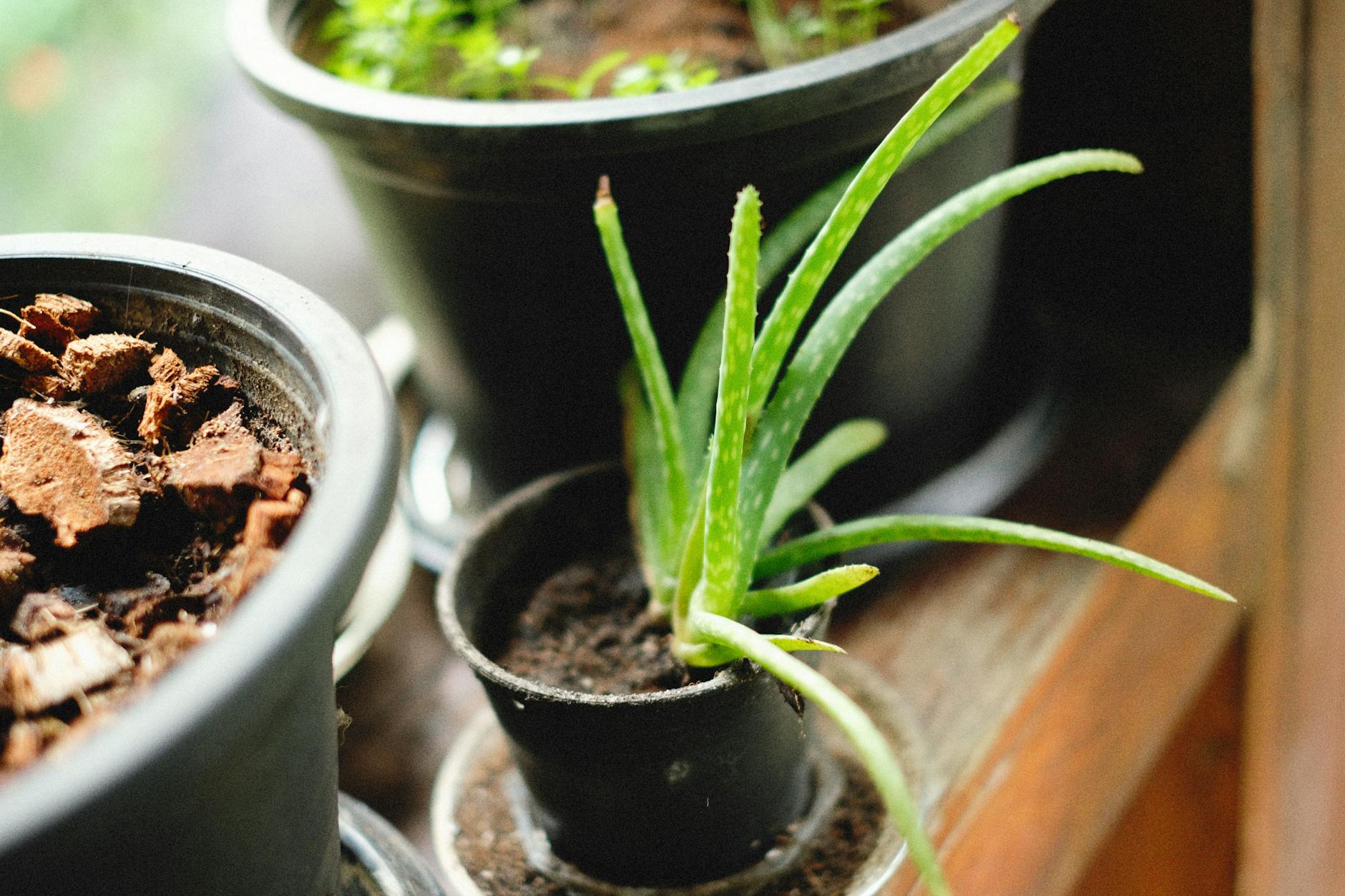
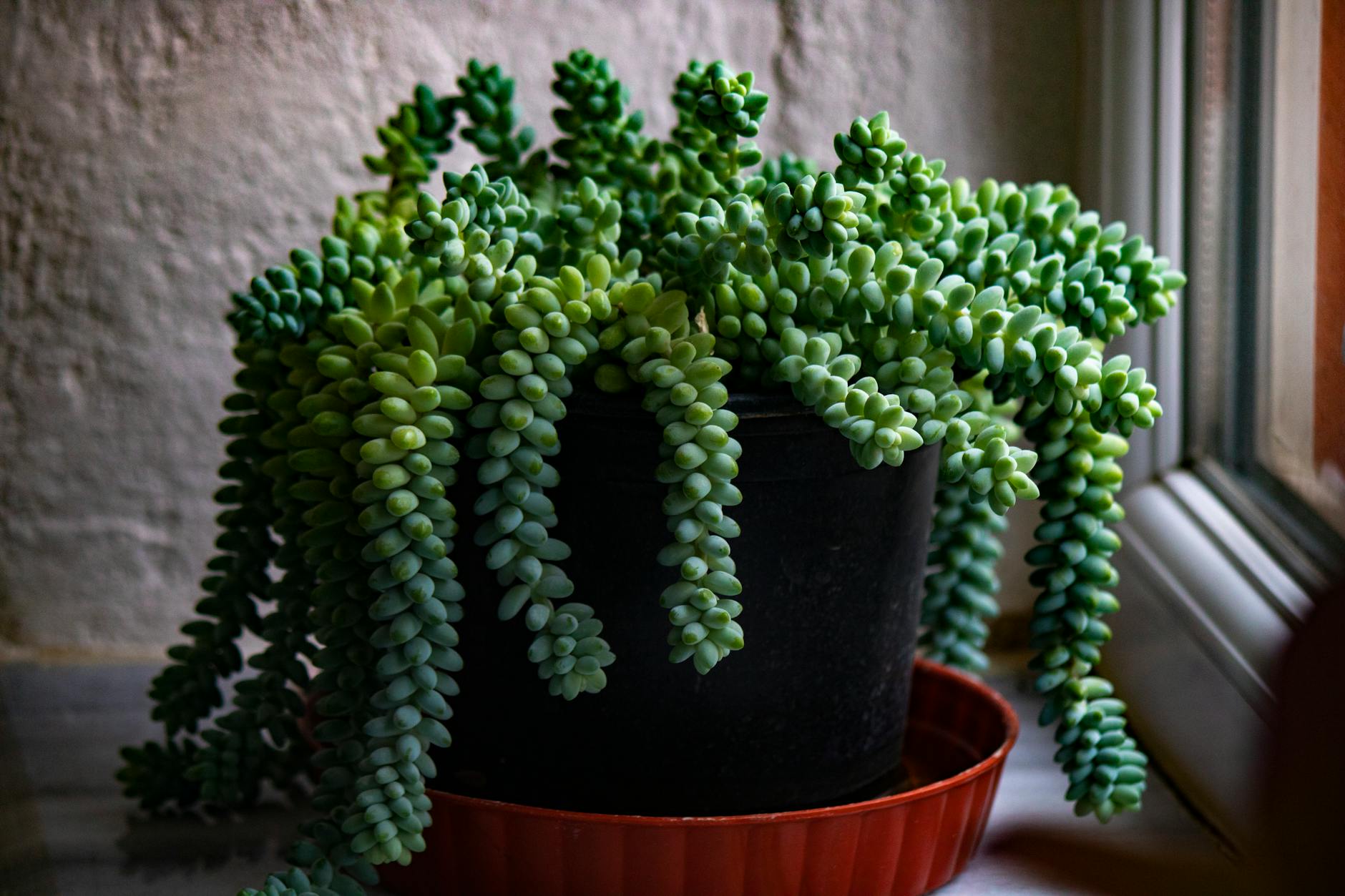
Crassula ovata · Last updated May 2026 · Photo by Mario Spencer on Pexels