Plant Care Guide
Spineless Yucca Care: The Complete Guide
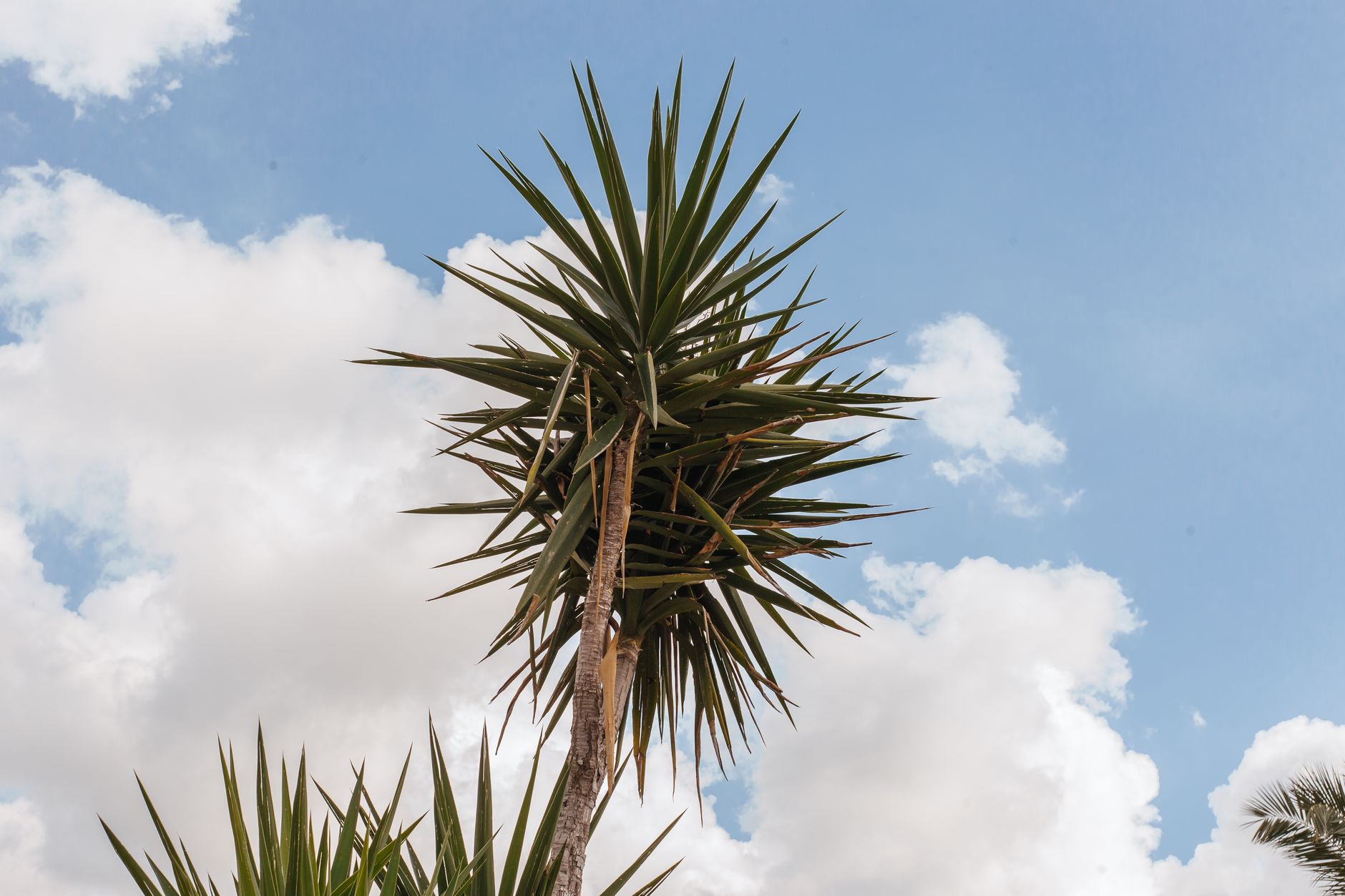
Yucca (Yucca elephantipes) is a drought-tolerant tree native to Mexico and Central America, known for its thick woody trunk, rosettes of stiff sword-shaped leaves, and need for bright direct light and infrequent watering. Water when the soil is fully dry, typically every 2–3 weeks in summer and every 4–6 weeks in winter.
Quick facts
Yucca gigantea — the plant sold in most garden centres with a stout woody trunk and a rosette of long, sword-shaped leaves at the top — is one of the most forgiving large houseplants available. It tolerates drought, handles direct sun, survives temperature extremes, and asks very little in return. The single most reliable way to damage it is overwatering. This guide covers what the Spineless Yucca actually needs, and how to avoid the one mistake that kills it.
At a glance: Spineless Yucca care
- Light: Bright, direct — at least 4-6 hours of direct sun daily.
- Water: Allow soil to dry out completely between waterings.
- Humidity: Low — tolerates dry indoor air without complaint.
- Temperature: 5-40°C, very temperature tolerant.
- Toxicity: Toxic to cats, dogs, and horses.
- Difficulty: Easy. One of the most drought-tolerant houseplants available.
What is a Spineless Yucca?
Yucca gigantea belongs to the family Asparagaceae — the same family as the Snake Plant — and is native to Mexico and Central America, where it grows in dry tropical and subtropical regions. The species is also known as Yucca elephantipes, a name still widely used in horticulture — both names refer to the same plant, with Yucca gigantea being the currently accepted scientific name. In the wild it can reach 8-10 metres in height, developing multiple trunks. As a houseplant it grows much more slowly and is typically sold at heights of 30cm to over 2 metres, with the trunk often raised on a pot support.
The name “Spineless Yucca” distinguishes it from outdoor yucca species with sharp, rigid leaf tips that can injure people and animals. The leaves of Yucca gigantea have softer, more flexible tips — still firm enough to cause discomfort if brushed against, but not the true spines of outdoor species. The plant is sometimes called “Stick Yucca” in reference to the bare wooden trunk visible in larger specimens.
Yuccas are adapted to high light and periodic drought — conditions that match what a south-facing room can provide. This makes them unusual among large houseplants, most of which prefer indirect light.
How much light does a Spineless Yucca need?
Yucca gigantea needs bright, direct light — at least 4-6 hours of direct sun daily for active growth and healthy foliage. Unlike most tropical houseplants, it does not need protection from direct sun; it thrives in it, much like an Aloe Vera or Jade Plant.
A south- or west-facing windowsill is the ideal position. An east-facing window with direct morning sun also works, though growth will be slower. In lower light, the plant survives but barely grows — the leaves become longer and thinner as the plant stretches, and the overall form loses its compact rosette character.
Signs your Yucca needs more light:
- Leaves growing longer, thinner, and curving more than usual
- Very slow or no new growth in spring and summer
- Pale green colour rather than the normal deep green
Signs of too much sun (rare):
- White or yellow scorched patches on leaves — can occur if a plant previously grown in low light is suddenly moved into very intense direct sun
How often to water a Spineless Yucca
Allow the soil to dry out completely between waterings — check with a finger pushed 4-5cm into the soil. If there is any moisture at that depth, wait. Water thoroughly when you do water, ensuring it drains from the bottom, then empty the saucer.
In summer, this typically means watering every 2-3 weeks. In winter in a cool room, every 3-4 weeks or less is normal. The Yucca’s woody trunk and thick roots store water, giving it genuine drought tolerance. It will survive — and is better off — if you water it too infrequently rather than too often.
Signs of overwatering:
- Yellow leaves spreading from the lower leaves upward
- Soft or discoloured sections on the trunk, particularly near the base
- A smell of rot from the soil
Signs of underwatering:
- Leaves looking slightly dull or losing firmness
- Dry, papery leaf tips
- Soil completely dry and pulling away from the pot sides
The right humidity for a Spineless Yucca
Yucca gigantea requires no special humidity. It evolved in dry tropical regions and is entirely comfortable at the 30-50% humidity of most homes — including during winter when central heating dries indoor air significantly.
No humidifier, no pebble tray, no misting needed. This is one of the very few large houseplants that actively prefers dry conditions.
Best temperature range for a Spineless Yucca
Yucca gigantea is comfortable across 5-40°C — a wider range than almost any other common houseplant. It handles heat well and tolerates brief cold periods better than tropical plants, though growth is most active between 15-30°C.
It can survive brief frosts outdoors in mild climates but is not reliably frost-hardy. As an indoor plant, temperature is rarely a limiting factor unless the plant is placed next to a cold drafty window in severe winter conditions.
What to avoid:
- Sustained temperatures below 5°C
- Frost
- Sudden large temperature swings — moving from a warm room to an unheated garage in winter, for example
The best soil and pot for a Spineless Yucca
A cactus and succulent mix is ideal — it is free-draining and prevents the prolonged soil moisture that causes root rot. Standard potting compost can also be used, but mix in 30-40% perlite or coarse sand to improve drainage significantly.
A heavy, stable pot is advisable for large specimens — the plant is top-heavy and can tip over in a lightweight plastic container. Terracotta provides both drainage and weight. A drainage hole is essential; decorative pots without holes should have a plain nursery pot with drainage inside them.
Repot every 3-4 years, or when the plant becomes visibly unstable or rootbound. Yuccas do not need to be rushed into larger pots — they are comfortable growing root-bound for extended periods.
When and how to fertilize a Spineless Yucca
Feed every three months during spring and summer with a balanced liquid fertilizer at half the recommended strength. The Yucca is a light feeder and does not need frequent fertilizing — monthly feeding of most houseplants is unnecessary for this plant. Stop in autumn and skip winter entirely.
Avoid fertilizing a recently repotted plant for 6-8 weeks. Excess fertilizer salts accumulate in the soil and can cause tip browning.
How to propagate a Spineless Yucca
Two methods work for home propagation:
From offsets: Mature Yuccas often produce small rosettes (offsets or “pups”) from the base of the trunk or from the root system. When these are 15-20cm tall with some of their own roots forming, cut them away with a clean sharp knife and pot separately in cactus mix. Allow the cut surface to callous over for a day before potting.
From stem cuttings: Cut a section of healthy trunk 15-30cm long. Allow the cut ends to dry and callous for 24-48 hours. Stand or lay on dry cactus mix; roots develop from the cut base within 4-8 weeks. Keep the soil barely moist until roots are established.
Is Spineless Yucca toxic to pets?
Yes, Yucca gigantea is toxic to cats, dogs, and horses. The leaves contain saponins, which cause:
- Vomiting
- Weakness and lethargy
- Dilated pupils
- Hypersalivation
Contact a vet or animal poison control line if a pet has eaten any part of the plant. The plant’s rigid, pointed leaves can also cause physical injury if an animal runs into or chews on them. Keep out of reach of pets and children.
Cultivars at a glance
Yucca gigantea 'Variegata'
Leaves edged in cream or yellow. Needs equally bright light to maintain variegation; same drought tolerance.
Yucca gigantea 'Jewel'
More compact growth habit. Shorter trunk and denser rosette. Good for smaller rooms.
Quick problem look-up
Yellow or brown lower leaves
Yellow or brown lower leaves on Spineless Yucca are typically natural aging as the trunk extends upward. However, widespread yellowing across multiple leaves suggests overwatering. Yucca prefers drying out completely between waterings. Remove affected lower leaves once they yellow completely. This process is normal and doesn't indicate poor care when isolated to the plant's base.
Trunk rot or soft base
Trunk rot or soft base indicates severe overwatering, the primary cause of Yucca failure. If rot has begun, remove the plant, cut away all soft or discoloured roots and trunk sections, let cuts dry 24 hours, and repot in fresh, dry soil, withholding water two weeks. Otherwise these plants need well-draining soil and dry completely between waterings — check by lifting the pot; water again once it feels light, typically every two to three weeks.
Brown leaf tips
Brown leaf tips result from low humidity, inconsistent watering, or occasionally fluoride in tap water. Although Spineless Yucca tolerates dry air exceptionally well, occasional misting to 30-40 percent humidity helps prevent tip browning. Ensure watering is thorough but infrequent, allowing soil to dry completely between applications. Trim brown tips with clean scissors for aesthetics, though the plant remains healthy.
No new growth
Insufficient light is the primary cause of stalled growth in Spineless Yucca. This plant requires bright, direct light for four to six hours daily to grow actively. Position it near a south-facing or west-facing window. Low light slows photosynthesis dramatically. Increase brightness gradually to prevent leaf scorch, and growth should resume within four to six weeks.
Do you ever wonder when your plant needs water or feeding?
GreenIQ tracks it per plant and reminds you at the right moment — adjusted to the season, not a fixed day.
Free, no account, no tracking.
Download GreenIQYou might also like
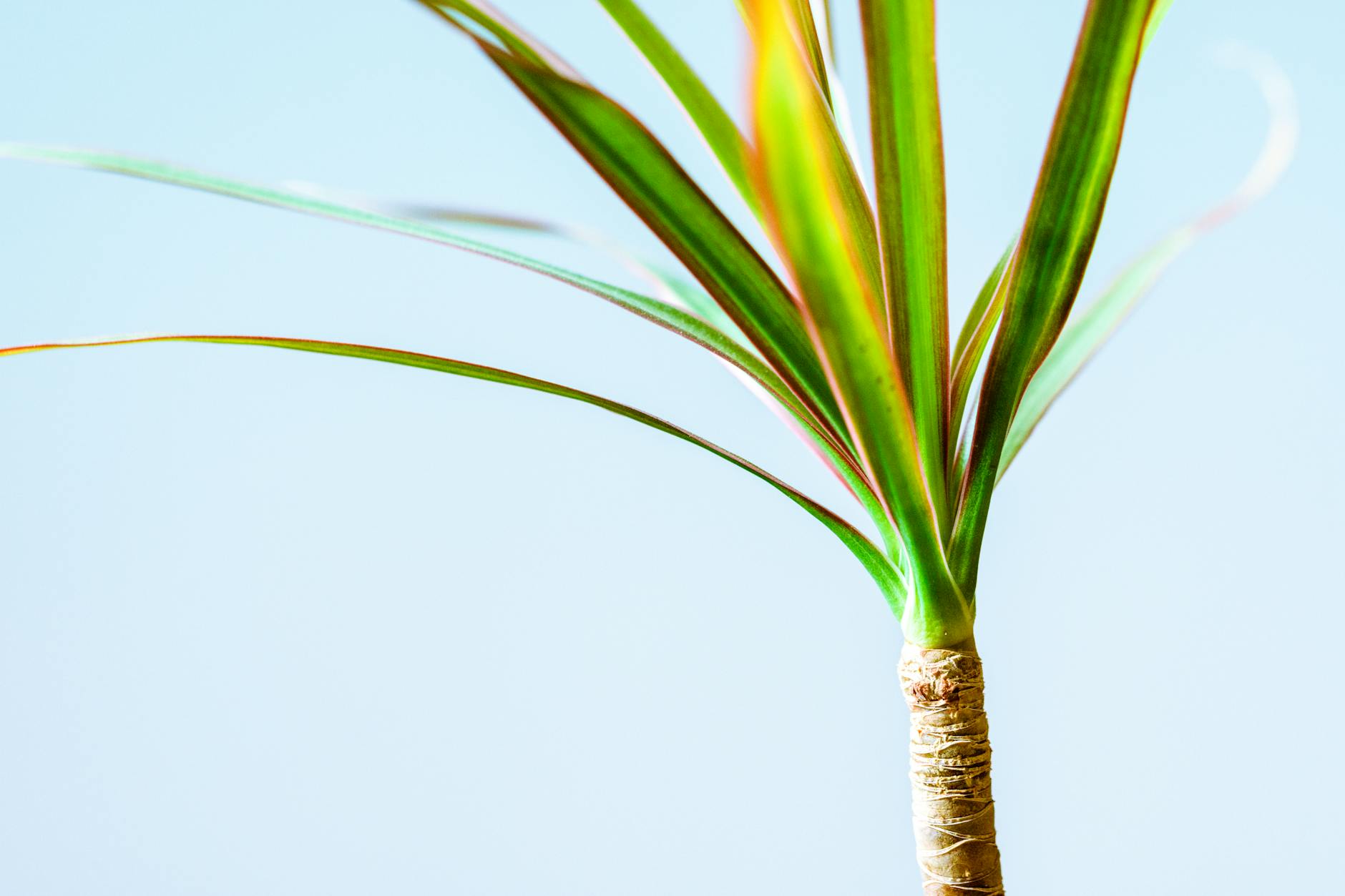
Yucca gigantea · Last updated May 2026 · Photo by ROMAN ODINTSOV on Pexels