Plant Care Guide
Snake Plant Care: The Complete Guide
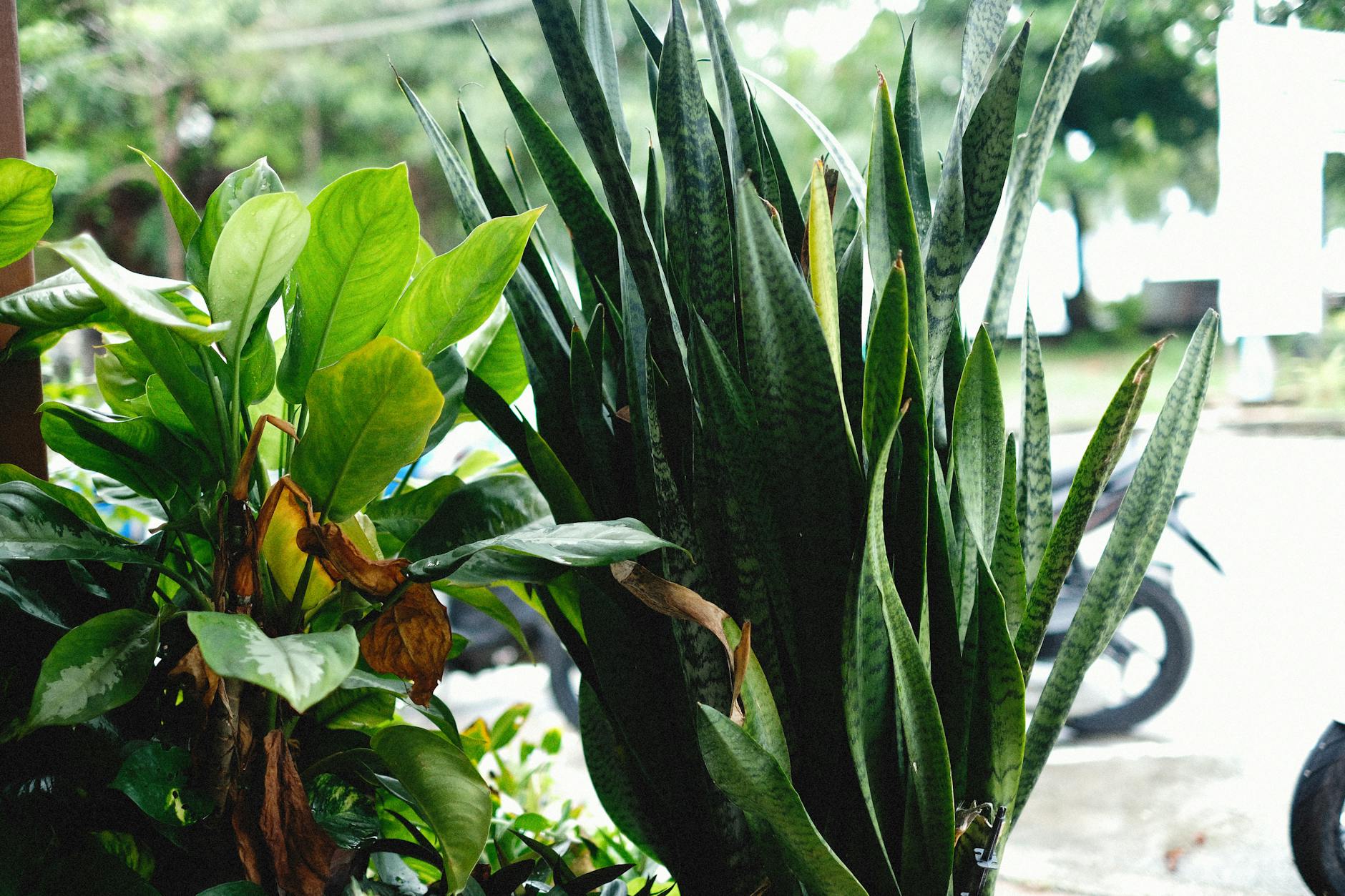
Snake Plant (Dracaena trifasciata) is a succulent native to West Africa, known for its upright sword-shaped leaves, exceptional low-light tolerance, and ability to survive long periods without water. Water every 2–4 weeks in summer, every 4–8 weeks in winter.
Quick facts
Dracaena trifasciata — sold in most nurseries under its former name Sansevieria trifasciata, and known to most people as the Snake Plant — is the houseplant most often killed by kindness. It tolerates neglect, but does not tolerate constant watering. This guide covers what actually matters for keeping a Snake Plant healthy, and the single mistake that reliably kills them.
At a glance: Snake Plant care
- Light: Low to bright indirect. One of the few plants that genuinely handles dim rooms.
- Water: Allow soil to dry out completely before watering again.
- Humidity: Low. Tolerates dry indoor air without complaint.
- Temperature: 18-35°C ideal. Tolerates down to 10°C briefly.
- Toxicity: Toxic to cats, dogs and horses.
- Difficulty: Easy. Forgives most beginner mistakes — except overwatering.
What is a Snake Plant?
Dracaena trifasciata belongs to the family Asparagaceae — the same family as the Yucca — and is native to the dry, rocky habitats of tropical West Africa — primarily Nigeria and the Congo basin. In its natural environment it grows in a range of conditions from full shade to direct sun, which explains its unusual light tolerance as a houseplant. The plant stores water in its thick, fibrous leaves, giving it drought resistance that few other common houseplants can match.
The species was classified as Sansevieria trifasciata for most of its horticultural history. In 2017, a genetic study folded the entire Sansevieria genus into Dracaena, making the correct name Dracaena trifasciata — though most nurseries, gardeners, and even botanical references still use “Sansevieria”. Both names refer to the same plant and the reclassification changes nothing about how you care for it.
The name pile-up with this plant is worth knowing. “Mother-in-Law’s Tongue” refers to the sharp leaf tips. “Viper’s Bowstring Hemp” comes from its historical use in making bowstrings from the fibrous leaves. “Snake Plant” describes the mottled, banded pattern on the leaves. You may see all three at the same garden centre, all referring to the same thing.
How much light does a Snake Plant need?
Dracaena trifasciata tolerates low to bright indirect light — a range genuinely wider than most houseplants. It will survive in a dim hallway. It will grow faster and more vigorously near a bright window. Both are acceptable, and it is one of the few plants where this is actually true rather than just good marketing.
A north-facing room is fine. A spot one or two metres back from a south- or west-facing window is better. The plant grows noticeably faster in brighter conditions, and variegated cultivars like Laurentii maintain their yellow edges better with more light — but the plant will not fail in low light, it will simply grow very slowly.
Signs your Snake Plant needs more light:
- No new leaves emerging during spring or summer
- Leaves leaning or stretching toward the nearest light source
- Colours fading, especially in variegated varieties losing their markings
Signs of too much direct sun:
- White or pale patches appearing on leaf surfaces
- Brown, crispy edges
- Yellowing on the sun-facing side of leaves
Direct midday sun through a south-facing window will eventually scorch the leaves. Bright morning sun or filtered light through a sheer curtain is ideal.
How often to water a Snake Plant
Overwatering is the cause of nearly every serious Snake Plant problem. Wait until the soil is completely dry all the way through — then water thoroughly until it drains from the bottom. Empty the saucer afterward. Never leave the pot sitting in water.
In summer, this typically means watering every 2-4 weeks. In a cool room in winter, every 4-8 weeks is normal, sometimes longer. There is no fixed schedule. The only reliable check is to push a finger 3-4cm into the soil: if there is any moisture at that depth, wait. The plant will be fine.
Signs of overwatering:
- Yellow leaves, usually starting at the base of the plant
- Soft or mushy sections at the base of leaves or stems
- A sour, unpleasant smell from the soil
- Soil remaining visibly wet for more than two weeks
Signs of underwatering:
- Leaves looking slightly puckered or wrinkled
- Dry, papery leaf edges
- Soil pulling away from the pot sides
An underwatered Snake Plant will look stressed but recovers within a day or two of being watered. Root rot from overwatering is far harder to reverse. When genuinely unsure whether to water, wait another week.
The right humidity for a Snake Plant
The Snake Plant requires no special humidity. It evolved in dry, rocky habitats and is comfortable at the 30-50% humidity of most homes — including during winter when central heating significantly dries indoor air.
No misting, no humidifier, no pebble tray needed. This is one of the few common houseplants that actively prefers drier conditions, and one of the very few that will not protest being next to a radiator.
Best temperature range for a Snake Plant
Dracaena trifasciata is comfortable between 18-35°C. It handles heat well and tolerates brief drops to 10°C, though growth essentially stops below about 15°C.
What to avoid:
- Sustained temperatures below 10°C, which cause dark, water-soaked patches on leaves
- Cold drafts from open windows, doors, or air conditioning vents directly on the plant
- Placing it against a cold exterior wall or window pane in winter
Cold is the one condition this plant does not forgive. A single frost will kill it.
The best soil and pot for a Snake Plant
Standard potting mix retains too much moisture for this plant. A purpose-made cactus and succulent mix works well, or improve a standard mix by adding 20-30% perlite to open up the structure and speed drainage.
A drainage hole in the pot is non-negotiable. Decorative pots without holes will trap water at the roots and cause rot within weeks. If your decorative pot has no drainage, use a plain nursery pot inside it and empty the outer pot after watering.
Pot size matters more than most guides suggest. Choose a container that fits the root ball snugly — going significantly larger means wet, unused soil sitting around the roots for too long. Snake Plants also grow from rhizomes that spread and can crack thin plastic pots when the plant matures; terracotta or ceramic holds up better.
When and how to fertilize a Snake Plant
Fertilize once every three months during spring and summer with a balanced liquid fertilizer at half the recommended strength. Stop in autumn and skip winter entirely — the plant is barely growing and excess nutrients will accumulate as salt deposits in the soil, eventually causing tip burn.
Do not fertilize a freshly repotted plant for 4-6 weeks. Fresh potting mix already contains enough nutrients.
How to propagate a Snake Plant
Two methods work reliably: division is faster and preserves cultivar variegation; leaf cuttings are simpler but slower.
By division (recommended for variegated cultivars):
- Remove the plant from its pot and shake off the soil.
- Find where the rhizomes — thick horizontal stems — connect the pups to the parent plant.
- Cut cleanly between them with a sharp, clean knife.
- Pot each section in dry cactus mix.
- Wait 1-2 weeks before first watering to let cut surfaces callous over.
By leaf cuttings:
- Cut a healthy leaf into 5-8cm sections with a clean blade. Note which end is the bottom.
- Allow cut ends to air-dry for 24 hours.
- Insert bottom-end-down into barely moist cactus mix, or stand in a shallow glass of water.
- Roots appear in 4-8 weeks; small pups emerge in 2-4 months.
Important: variegated cultivars like Laurentii will revert to plain green when propagated from leaf cuttings. The yellow margins come from a mutation in the outer leaf tissue that cuttings do not preserve. Division is the only way to get a variegated plant from a variegated parent.
Is Snake Plant toxic to pets?
Yes, Dracaena trifasciata is toxic to cats, dogs and horses. The leaves and roots contain saponins — naturally occurring compounds that cause:
- Nausea and vomiting
- Excessive drooling
- Diarrhea
- Occasionally, loss of appetite for a day or two
The toxicity is not life-threatening for healthy adult animals, but it causes genuine discomfort. If a pet has ingested any part of the plant, contact a vet or animal poison control line. If you have pets that chew on plants, place the Snake Plant out of reach or choose a pet-safe alternative — Spider Plants and Boston Ferns are good options.
Cultivars at a glance
Dracaena trifasciata 'Laurentii'
Yellow-edged margins on upright leaves. The most widely sold variety. Care is identical to the species.
Dracaena trifasciata 'Moonshine'
Pale silver-green leaves with subtle banding. Striking and minimalist, same easy care.
Dracaena trifasciata 'Hahnii'
Compact bird's nest rosette that stays under 20cm. Ideal for desks and small shelves.
Quick problem look-up
Yellow leaves on Snake Plant
Yellow leaves on Snake Plant typically result from overwatering or poor drainage. Allow soil to dry completely between waterings and ensure your pot has drainage holes. Snake Plants prefer dry conditions and are highly susceptible to root rot when soil stays wet. If yellowing is severe, remove the plant, inspect roots for mushiness, and repot in fresh cactus mix.
Brown or white leaf tips
Brown or white leaf tips usually indicate fluoride or salt accumulation from tap water. Use filtered water or let tap water sit overnight before watering. Severely affected tips won't recover, but new growth will be unaffected if you switch water sources. This is a common issue with Snake Plants and doesn't harm overall plant health when addressed.
Mushy base or root rot
Mushy base and root rot result from overwatering in dense or poorly-draining soil. Remove the plant from its pot, cut away all soft dark roots with clean scissors, dust cut surfaces with cinnamon or sulfur powder, and repot in fresh dry cactus mix. Wait two weeks before watering again to allow roots to heal.
No new leaves
No new growth is normal during winter when Snake Plants go semi-dormant. In spring and summer, lack of growth usually indicates insufficient light or temperatures consistently below fifteen degrees Celsius. Snake Plants need bright indirect light and warmth to thrive. Move to a brighter location and ensure temperatures stay above fifteen degrees Celsius for active growth.
Do you ever wonder when your plant needs water or feeding?
GreenIQ tracks it per plant and reminds you at the right moment — adjusted to the season, not a fixed day.
Free, no account, no tracking.
Download GreenIQWant to multiply this plant?
Step-by-step methods to grow new plants from cuttings, leaves, or division — with timings, success rates, and common problems.
View propagation guide →You might also like
Dracaena trifasciata · Last updated May 2026 · Photo by Alexey Demidov on Pexels