Plant Care Guide
Peace Lily Care: The Complete Guide
Peace Lily (Spathiphyllum wallisii) is a tropical perennial native to the rainforests of Central and South America, known for its glossy dark-green leaves, recurring white spathe flowers, and dramatic drooping when thirsty. Water when leaves begin to droop or the top 2–3 cm of soil dries out, typically every 7–10 days.
Quick facts
Spathiphyllum wallisii — the Peace Lily — flowers indoors in ordinary conditions: no grow lights, no seasonal temperature shifts, no specialist fertiliser required. Most houseplants sold as “flowering” need specific triggers to bloom reliably; the Peace Lily produces its white spathe flowers throughout the year without them. This guide covers what it needs to thrive and flower consistently.
At a glance: Peace Lily care
- Light: Low to bright indirect. One of the few flowering plants that genuinely tolerates dim rooms.
- Water: Keep the soil consistently moist — more water-demanding than most houseplants.
- Humidity: Medium. Brown tips are common in dry indoor air.
- Temperature: 18-27°C ideal. Keep above 15°C at all times.
- Toxicity: Toxic to cats, dogs and horses.
- Difficulty: Easy. Forgiving for beginners, though it communicates thirst dramatically.
What is a Peace Lily?
Spathiphyllum wallisii is a member of the Araceae family — the same family as Monstera, Pothos, and Philodendron. It is native to the tropical rainforests of Central and South America (Colombia, Venezuela) and parts of Southeast Asia, where it grows on the forest floor in deep shade. That forest-floor origin explains one of its most useful traits: it genuinely tolerates low light in a way that most flowering plants do not.
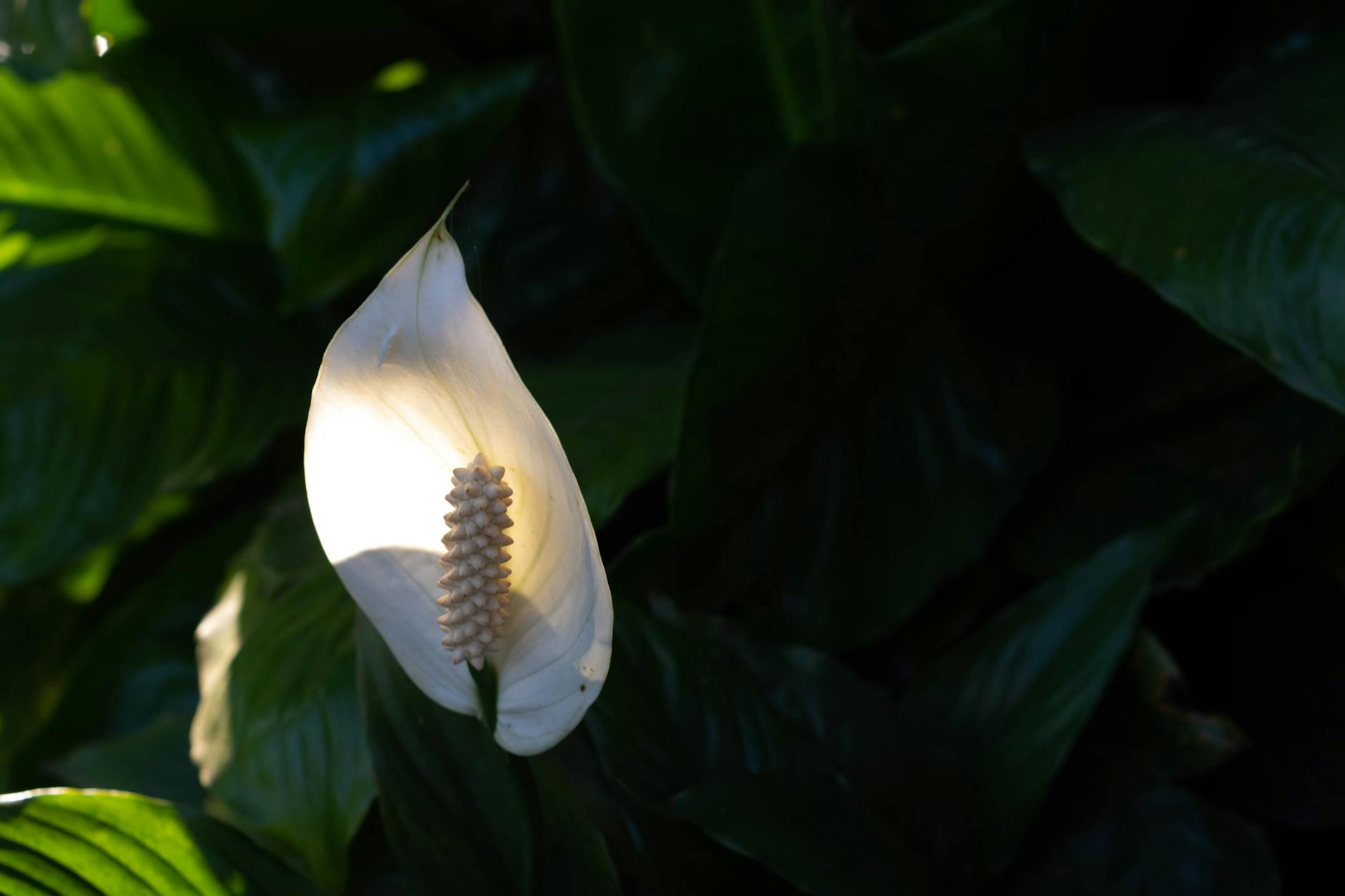
The “flower” of a Peace Lily is not a flower in the conventional sense. Like all aroids, it is a spathe — a modified leaf, typically white — surrounding a spadix, the pale spike at the centre where the actual tiny flowers are clustered. The same structure appears in Anthuriums, Calla Lilies, and Monstera, though in those plants the spathe is often less conspicuous. As the Peace Lily’s bloom ages, the spathe gradually turns green before the whole structure fades and can be removed.
The name “Peace Lily” has nothing to do with peace symbolism; it is a loose reference to the white spathe resembling a white flag. “White Sail Plant” is more literal, and “Spath” is simply an abbreviation of Spathiphyllum, used in the nursery trade.
How much light does a Peace Lily need?
Peace Lilies handle low to bright indirect light — with a meaningful distinction from most flowering plants: they will flower in genuinely low-light conditions, not just survive. A spot several metres from a north- or east-facing window will support healthy growth and occasional blooming. Bright, indirect light near a window produces more flowers and darker, glossier foliage.
The low-light tolerance comes from the plant’s forest-floor habitat, where direct sun never reaches the ground through the canopy. Mirroring that in a home — no direct sun, consistent ambient light — is the ideal.
Signs your Peace Lily needs more light:
- No flowers forming for more than 6 months
- Leaves that are pale, yellowing, or losing their deep green colour
- Very slow growth with no new leaves during spring and summer
Signs of too much direct sun:
- Brown or white scorched patches on leaves
- Wilting despite moist soil — the plant cannot compensate for leaf water loss in strong light
- Bleached, washed-out colouring rather than deep green
Avoid direct sun from south- or west-facing windows. The morning sun from an east-facing window is the upper limit the plant handles comfortably.
How often to water a Peace Lily
Peace Lily watering differs from most houseplants. While the standard advice for the majority of plants is to let the top few centimetres dry out, the Peace Lily prefers consistently moist soil — never soggy, never fully dry. It does not store water in its roots or leaves and has no reserve to draw from when the soil dries out completely.
In practice: water when the top 1-2cm of soil is dry. In a warm room this is roughly every 4-5 days in summer; every 7-10 days in winter. The exact timing depends on pot size, soil mix, and light level.
The drooping signal: The Peace Lily is one of the few houseplants that communicates thirst visually and immediately. When the plant needs water, the leaves and stems droop dramatically — sometimes completely flat. This looks alarming but is not harmful if addressed quickly. Water thoroughly and the plant typically recovers its upright posture within an hour or two. A plant that droops regularly is being allowed to dry out too much between waterings.
Signs of overwatering:
- Yellow leaves, especially on older leaves near the base
- Soil remaining soggy more than a week after watering
- A sour smell from the potting mix
- Wilting despite wet soil — root rot has begun
Signs of underwatering:
- Drooping stems and leaves
- Dry, crumbling soil pulling away from the pot edges
- Brown, papery leaf tips
Unlike most aroids, the Peace Lily’s response to underwatering is dramatic and obvious. The response to overwatering is more subtle and often only apparent once root damage has accumulated.
The right humidity for a Peace Lily
Peace Lilies prefer medium humidity — 50-60% — and are one of the more humidity-sensitive common houseplants. In the dry air produced by central heating in winter, or in rooms with air conditioning running through summer, the leaf tips are likely to turn brown regardless of watering.
If brown tips are a persistent problem:
- Move the plant away from heating vents and radiators
- Group it with other plants, which slightly raises local humidity through transpiration
- Use a pebble tray with water beneath the pot
- Use a humidifier in the same room in winter
Fluoride in tap water is also a significant cause of brown tips — Peace Lilies are notably sensitive to it. Using filtered water or allowing tap water to stand overnight in an open container before watering helps considerably.
Best temperature range for a Peace Lily
Spathiphyllum wallisii grows best between 18-27°C. Unlike some tropical houseplants that tolerate brief chills, the Peace Lily is more cold-sensitive than most — keep it above 15°C at all times, and above 18°C for consistent growth and flowering.
What to avoid:
- Temperatures below 15°C, which cause growth to stop and leaves to yellow
- Cold drafts from open windows, doors, or air conditioning directly on the plant
- Sudden shifts between warm and cold environments — even transporting the plant in cold weather can cause cold shock
Warm, stable conditions are important. The Peace Lily does not appreciate temperature fluctuations the way some tougher plants tolerate them.
The best soil and pot for a Peace Lily
A chunky, well-draining potting mix that still retains some moisture works best. A standard indoor potting mix with 10-15% perlite — less than you would add for succulents or snake plants — balances the Peace Lily’s preference for consistent moisture against the need for drainage to prevent root rot.
A drainage hole is essential. While the Peace Lily needs more water than most houseplants, it cannot sit in waterlogged soil without the roots rotting. The goal is moist but never saturated.
Peace Lilies grow from a clumping rhizome that spreads over time, and they tend to flower more reliably when slightly root-bound. Resist the urge to move the plant into a much larger pot — a container 2-3cm wider than the current root ball is sufficient. When the roots are noticeably crowded, pot up at repotting time.
When and how to fertilize a Peace Lily
Fertilize monthly during spring and summer with a balanced liquid houseplant fertilizer at half the recommended strength. The Peace Lily is a moderate feeder and benefits from regular fertilizing during the growing season, particularly to support flowering.
A high-phosphorus fertilizer (the middle number on the NPK ratio) can encourage more blooms, but a standard balanced fertilizer works well in practice. Stop fertilizing in autumn and skip winter. After repotting, wait 4-6 weeks before resuming.
How to propagate a Peace Lily
Peace Lily propagation is simple and best done at repotting time:
- Remove the plant from its pot and gently shake off excess soil.
- Identify where the clumping rhizomes can be divided — the plant separates naturally into sections, each with its own roots and stems.
- Pull or cut the sections apart. Each section with at least 2-3 leaves and a portion of the root system will grow into a new plant.
- Pot each division in fresh, moist potting mix.
- Keep the newly divided plants in a humid spot with bright indirect light for the first week or two while roots re-establish.
Newly divided Peace Lilies may droop for a day or two after division — this is normal stress from root disturbance, not a sign of a problem. Water lightly and they will recover.
Is Peace Lily toxic to pets?
Yes, Spathiphyllum wallisii is toxic to cats, dogs and horses. Like most aroids, the leaves, stems, and spathe contain calcium oxalate crystals. These cause:
- Immediate burning and irritation in the mouth and throat
- Excessive drooling and pawing at the mouth
- Difficulty swallowing
- Vomiting
The reaction is painful and distressing but rarely life-threatening for healthy adult animals. If a pet has chewed on a Peace Lily, rinse their mouth with water and contact a vet or animal poison control line if symptoms persist or the animal ingested a significant amount. Keep the plant out of reach of pets that chew houseplants.
Cultivars at a glance
Spathiphyllum wallisii 'Mauna Loa'
Larger variety reaching up to 90cm. Produces more flowers than the standard species.
Spathiphyllum wallisii 'Sensation'
Giant form reaching up to 180cm with textured, ribbed leaves. The largest Peace Lily sold as a houseplant.
Quick problem look-up
Brown leaf tips
Brown tips result from low humidity, fluoride in tap water, or inconsistent watering. Increase humidity by misting leaves weekly or placing the pot on a pebble tray with water. Use filtered or distilled water instead of tap water. Water when the top 2 centimeters of soil feels dry, maintaining consistent moisture without waterlogging.
Drooping or wilting leaves
Drooping leaves indicate thirst. Water immediately with room-temperature water until it drains from the pot base. The plant typically recovers within one hour of watering. If the soil is already wet and the plant is still drooping, root rot is likely — remove from the pot, inspect the roots, and cut away any dark, mushy sections before repotting. Peace Lilies are sensitive to dry soil and will dramatically wilt when thirsty, but bounce back quickly with proper hydration.
Yellow leaves on Peace Lily
Yellow leaves stem from overwatering, excessive direct sunlight, or a root-bound plant. Allow soil to dry slightly between waterings and ensure the pot has drainage holes. Provide bright, indirect light rather than direct sun. If roots circle the pot surface, repot into a container 5 centimeters larger in spring.
Peace Lily not flowering
Peace Lilies need bright, indirect light to flower reliably. Move your plant closer to a window where it receives several hours of bright, filtered light daily. Ensure you're fertilizing monthly during growing season at half strength. Adequate light, proper humidity, and consistent care typically trigger flowering within weeks to months.
Do you ever wonder when your plant needs water or feeding?
GreenIQ tracks it per plant and reminds you at the right moment — adjusted to the season, not a fixed day.
Free, no account, no tracking.
Download GreenIQYou might also like
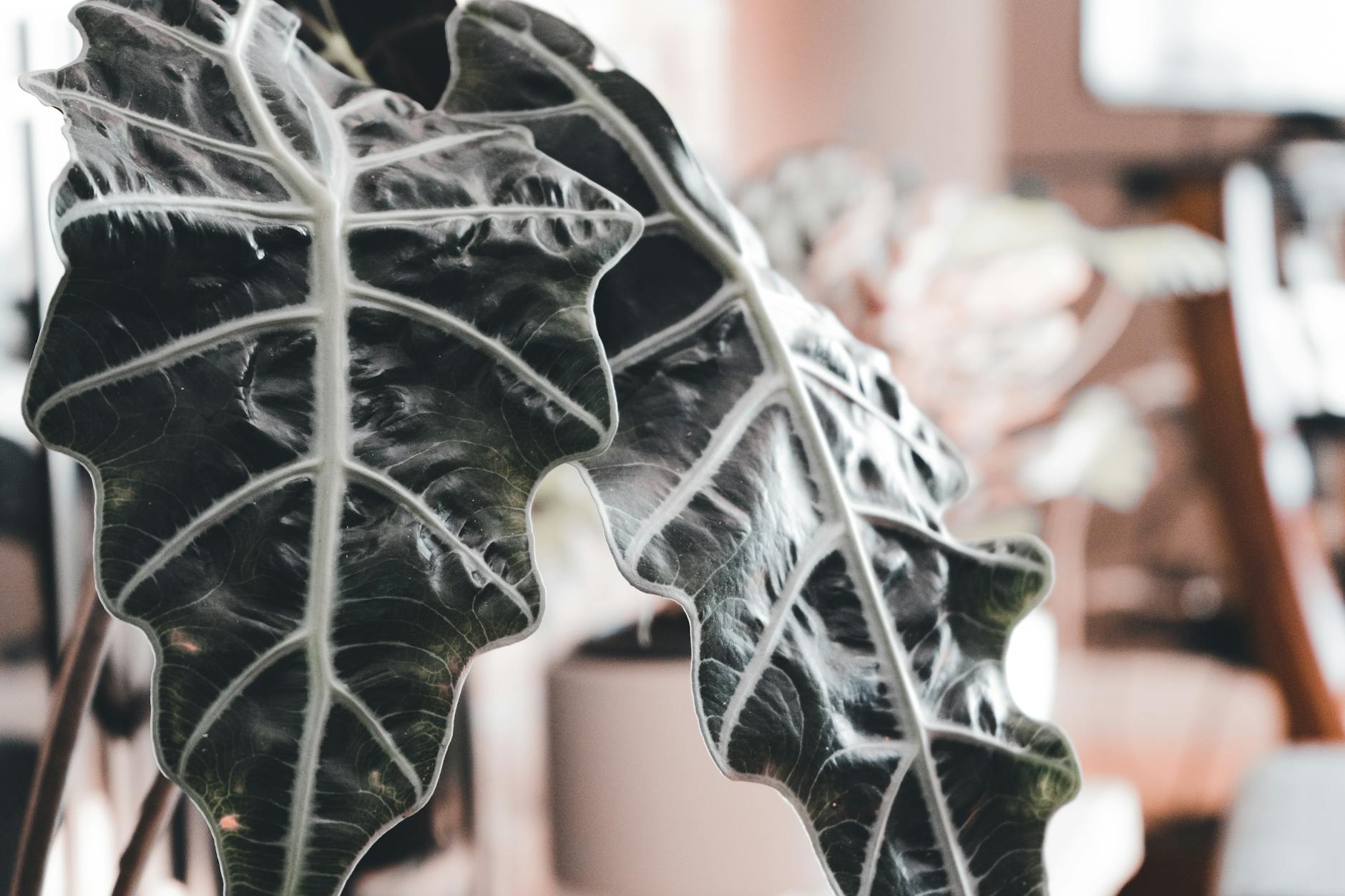
Spathiphyllum wallisii · Last updated May 2026 · Photo by Lucas George Wendt on Pexels