Plant Care Guide
Inch Plant Care: The Complete Guide
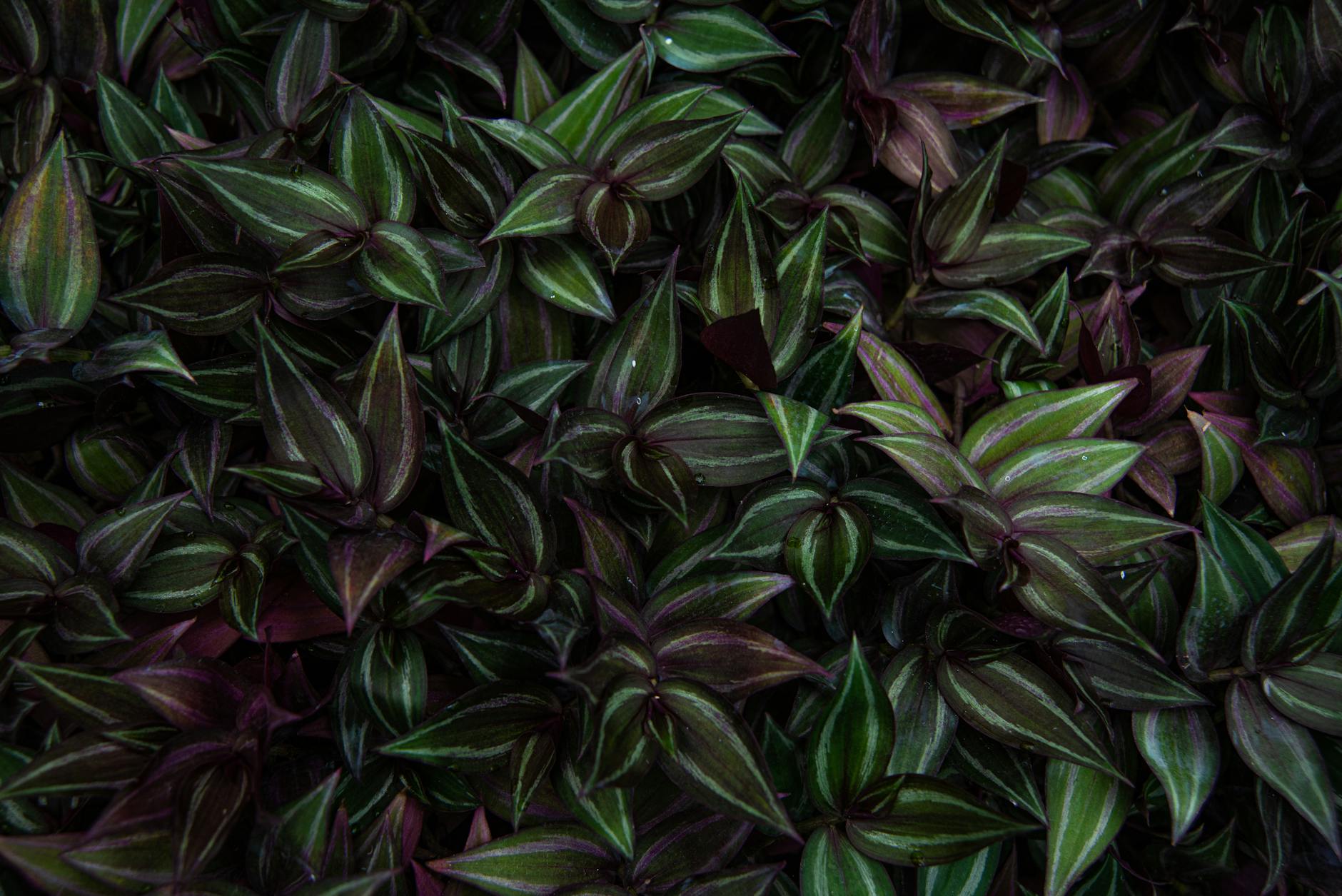
Tradescantia Zebrina (Tradescantia zebrina) is a fast-growing trailing perennial native to Mexico and Central America, known for its striped leaves of silver, green, and purple, vigorous growth in bright indirect light, and exceptional ease of propagation from stem cuttings in water. Water when the top 2–3 cm of soil dries out, typically every 5–7 days.
Quick facts
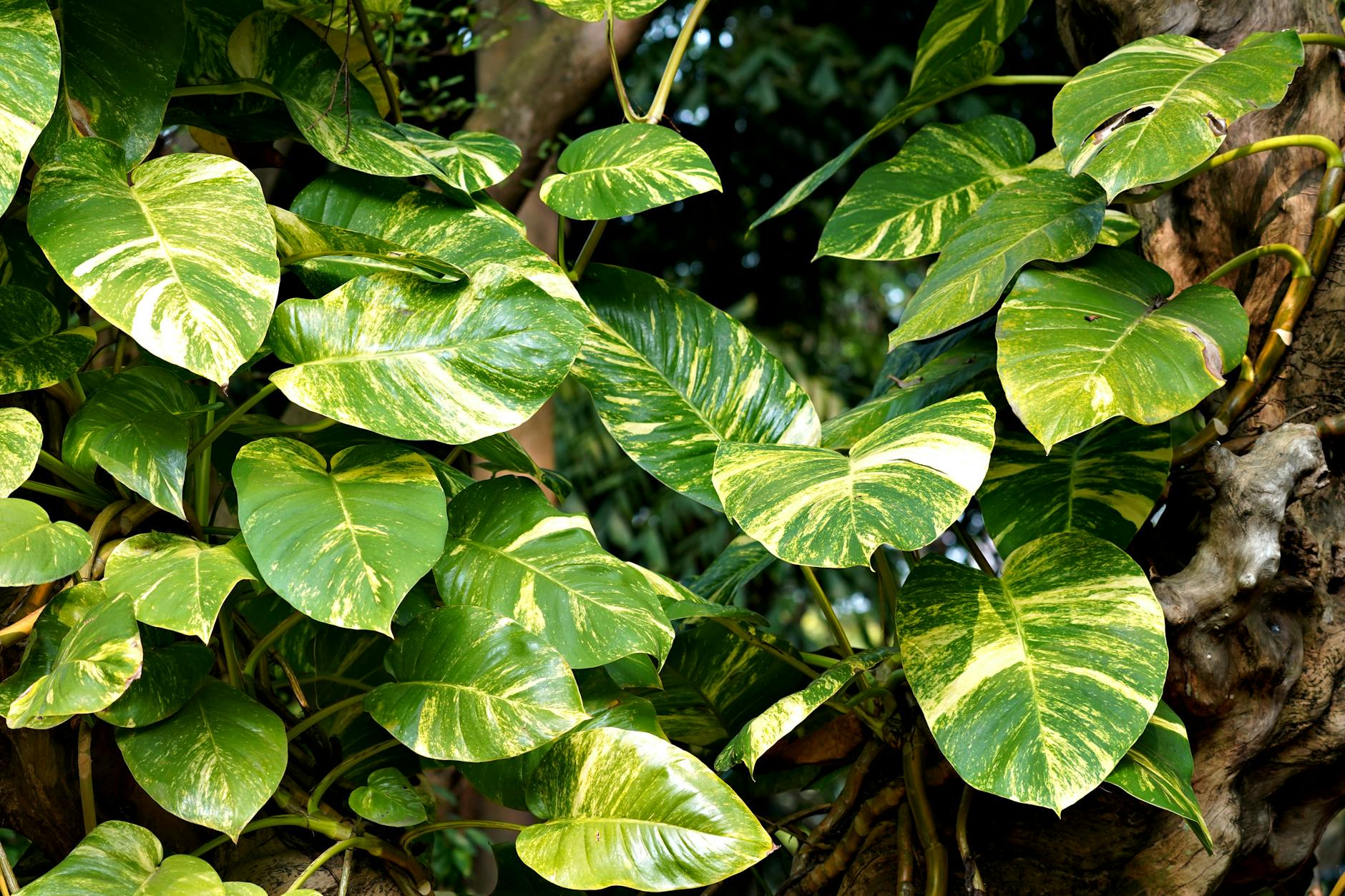
Tradescantia zebrina roots a stem cutting in water within a week and turns a single cutting into a full trailing plant within a season, as easily as a Pothos or English Ivy. The silver-striped, purple-backed leaves are the reason most people grow it, and they are entirely dependent on light: move this plant to a dim corner and the colour disappears within weeks, replaced by plain dull green. Move it back to a bright spot and the colour returns with new growth. This guide covers what the Inch Plant needs and when to cut it back.
At a glance: Inch Plant care
- Light: Bright, indirect — tolerates some direct sun. Colour fades in low light.
- Water: When the top 2-3cm of soil is dry.
- Humidity: Medium — tolerates average indoor conditions.
- Temperature: 10-32°C ideal.
- Toxicity: Toxic to cats, dogs, and horses. Sap can irritate human skin.
- Difficulty: Easy. Fast-growing and forgiving — except in low light.
What is an Inch Plant?
Tradescantia zebrina belongs to the family Commelinaceae and is native to Mexico and Central America, where it grows as a vigorous ground cover in warm, humid forests and disturbed habitats. In the wild it spreads rapidly, climbing through low vegetation and covering open ground — explaining its fast growth and sprawling habit as a houseplant. The species name zebrina refers to the zebra-like silver and green striping on the upper surface of each leaf. The undersides are an intense purple-red, a colour produced by anthocyanin pigments that may help the plant absorb reflected light from below.
The common name “Inch Plant” comes from the claim that stems can grow an inch per day in good conditions. This is an exaggeration, but the plant does grow fast when well-lit. The name “Wandering Jew” — which was the most widely used common name for most of the plant’s horticultural history — is now recognised as a historically problematic term derived from an antisemitic legend, and has been largely replaced in horticulture by Inch Plant and Wandering Tradescantia. Both names now refer to the plant; the plant itself has not changed.
How much light does an Inch Plant need?
Tradescantia zebrina needs bright, indirect light to maintain its silver and purple colouring. In low or medium light, the plant survives but the leaves lose their silver striping and turn dull, uniform green. Growth becomes leggy — long stretches of bare stem between leaves — as the plant reaches toward any available light source.
A spot within one metre of a south- or west-facing window is ideal. East-facing windows also work well. Some gentle direct morning sun intensifies the purple on the undersides without damage. Strong midday sun through south-facing glass can scorch the leaves — a sheer curtain is useful in very exposed positions.
Signs your Inch Plant needs more light:
- Silver striping fading or leaves turning plain green
- Long bare stretches of stem between leaves
- Purple undersides becoming less vivid
Signs of too much direct sun:
- White or bleached patches on the upper leaf surface
- Brown, crispy patches on leaves facing the window
How often to water an Inch Plant
Water when the top 2-3cm of soil has dried out — push a finger into the soil to check. Water thoroughly until it drains from the bottom, then empty the saucer. Tradescantia does not tolerate constantly wet roots, and the stems rot quickly in waterlogged conditions.
In summer, watering every 5-10 days is typical. In a cool room in winter, every 10-14 days is normal. The plant tolerates an occasional missed watering — it wilts slightly but recovers quickly after watering. Constant overwatering is more damaging and harder to reverse once stem rot sets in.
Signs of overwatering:
- Soft, mushy sections at the base of stems
- Yellowing leaves near the soil
- A sour smell from the soil
Signs of underwatering:
- Slightly wilted or limp stems
- Dry, papery leaf edges
The right humidity for an Inch Plant
Tradescantia zebrina tolerates medium humidity and manages well at the 40-60% typical of most homes. It is not humidity-dependent in the way calatheas or ferns are. Average indoor air is usually fine.
In very dry conditions (below 30%), the leaf tips will brown. If the plant is near a radiator in winter, a pebble tray with water beneath the pot provides some local humidity. Occasional misting is fine — unlike many tropical plants, Tradescantia does not develop fungal issues from wet leaves under normal indoor conditions.
Best temperature range for an Inch Plant
Tradescantia zebrina is comfortable between 10-32°C and handles average indoor temperatures without difficulty. It tolerates cool conditions better than most tropical houseplants and survives brief dips close to 5°C, though growth essentially stops below 15°C.
What to avoid:
- Frost — sustained exposure will kill it
- Hot, dry air blowing directly from radiators or heating vents onto the plant
- Cold drafts from open windows in winter
The plant recovers quickly from brief cold stress, but frost damage to the leaves is irreversible.
The best soil and pot for an Inch Plant
A standard potting mix with 20-30% perlite added gives the drainage Tradescantia needs. Pure potting compost holds too much moisture. Cactus mix is too free-draining — the plant needs some moisture retention between waterings, just not waterlogging.
Drainage holes are essential. Stems rot quickly if the roots sit in standing water. Hanging baskets suit Tradescantia well — the stems cascade naturally, and the elevated position discourages sustained soil moisture. The plant grows fast and fills containers quickly; repot every 1-2 years or when roots emerge from the drainage holes.
When and how to fertilize an Inch Plant
Feed monthly during spring and summer with a balanced liquid fertilizer at half the recommended strength. Stop in autumn and skip winter entirely — the plant grows slowly in lower light and excess nutrients accumulate as salt deposits that eventually cause tip burn.
Do not fertilize a stressed plant or one that is showing signs of overwatering. Fertilizer does not fix problems; it only helps a healthy plant grow faster.
How to propagate an Inch Plant
Tradescantia zebrina is among the easiest houseplants to propagate. Stem cuttings root in water within days, and the success rate in good conditions is essentially 100%.
- Cut a healthy stem section 8-12cm long with at least 2-3 leaf nodes.
- Remove the leaves from the bottom 3-4cm.
- Place in a glass of water in a bright spot.
- Roots appear within 3-7 days. Transfer to soil when roots are 2-3cm long.
Alternatively, press cuttings directly into moist potting mix without rooting in water first — this also works reliably. Planting multiple cuttings together in the same pot from the start creates a fuller, bushier result.
Pinching and pruning: Tradescantia becomes leggy over time regardless of light conditions. Pinch off growing tips regularly to encourage branching, and cut back long bare stems to a node — new growth emerges from just below the cut. An older, straggly Inch Plant is easily refreshed by taking fresh cuttings and starting again.
Is Inch Plant toxic to pets?
Yes, Tradescantia zebrina is toxic to cats, dogs, and horses. The sap contains compounds that cause:
- Mouth irritation and drooling
- Vomiting if ingested in quantity
- Mild skin irritation or contact dermatitis in people who handle the plant frequently without gloves
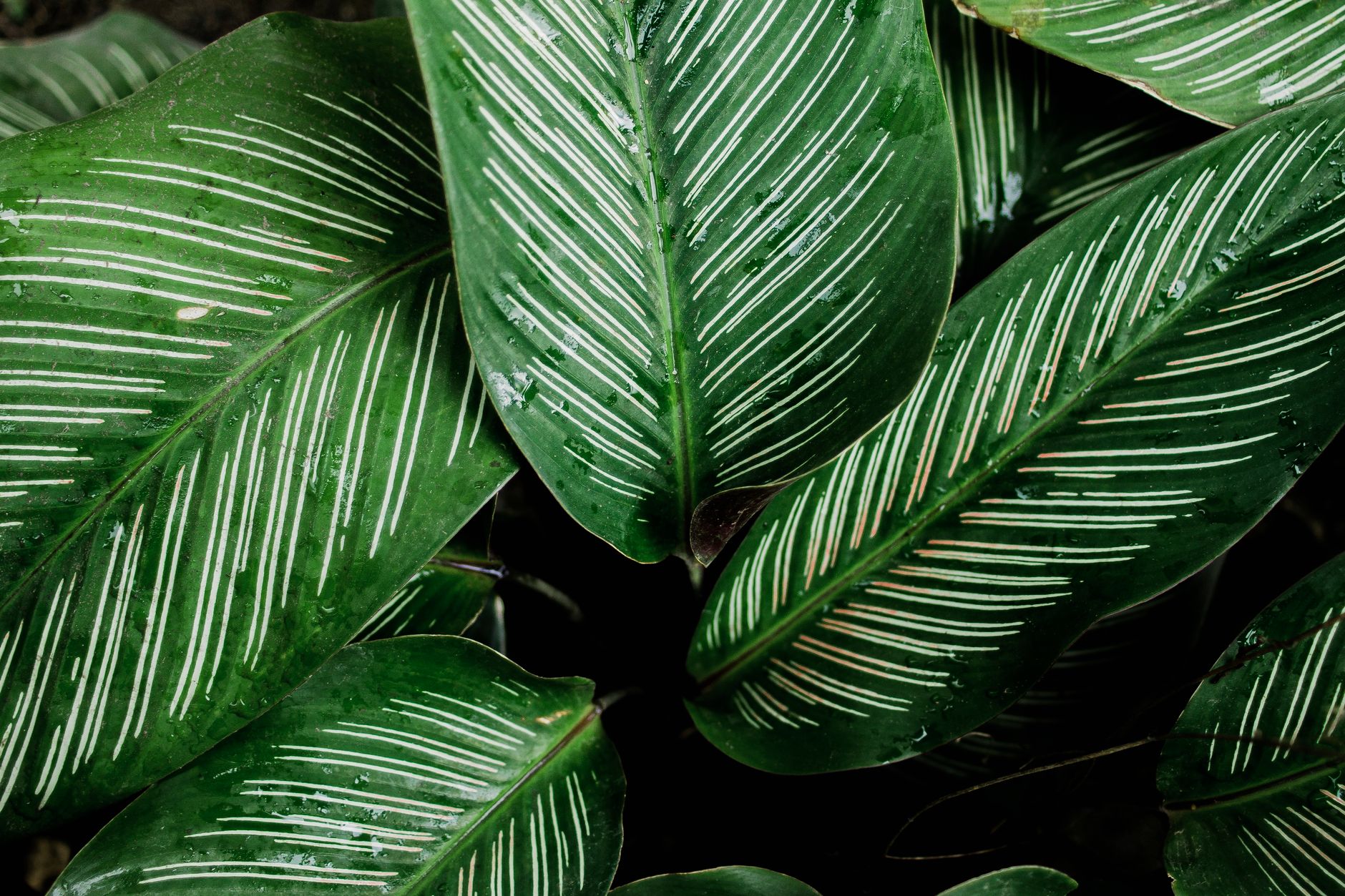
The toxicity is generally mild and rarely life-threatening, but the sap can cause skin redness and itching — particularly when pruning or taking cuttings. If a pet has eaten part of the plant, contact a vet or animal poison control line. If you have pets that chew on trailing plants, the Rattlesnake Plant (Goeppertia insignis) is a pet-safe alternative with equally striking patterned foliage.
Cultivars at a glance
Tradescantia zebrina 'Silver Plus'
Intensified silver striping across the leaves. More dramatic markings than the species; same easy care.
Tradescantia zebrina 'Burgundy'
Deep purple-red leaves with less green than the species. Richer colour with good light; same trailing habit.
Tradescantia zebrina 'Quadricolor'
Four-colour leaves in pink, silver, green, and cream. Striking but needs bright indirect light to maintain colour.
Quick problem look-up
Leggy, sparse stems
Leggy growth occurs when your Inch Plant lacks sufficient light. Move it closer to a bright window where it receives indirect sunlight for at least six hours daily. Pinch back stem tips regularly to encourage bushier branching. Low light stretches stems between leaf nodes, creating thin sparse growth that looks weak and unattractive.
Fading silver or purple colour
Tradescantia zebrina loses its vibrant purple and silver stripes in insufficient light conditions. Place it in bright indirect light near an east or west-facing window for optimal colour intensity. Direct afternoon sun can bleach foliage, so filter harsh rays with sheer curtains. Colour deepens noticeably within two to three weeks of improved lighting.
Brown or crispy leaf tips
Brown crispy leaf tips result from low humidity and dry air, particularly from heating systems. Mist foliage two to three times weekly with distilled water, or place the pot on a pebble tray filled with water. Maintain humidity between fifty and sixty percent. Keep temperatures between eighteen and twenty-four degrees Celsius for best results.
Mushy stems near the base
Mushy stems near the base indicate root rot from overwatering or poor drainage. Reduce watering frequency, allowing the soil surface to dry between waterings. Use well-draining potting mix with perlite added. Repot if roots smell foul, removing soggy soil and dead roots — or, since Tradescantia roots so easily, simply take fresh cuttings from the undamaged upper stems and discard the rotted growth entirely.
Do you ever wonder when your plant needs water or feeding?
GreenIQ tracks it per plant and reminds you at the right moment — adjusted to the season, not a fixed day.
Free, no account, no tracking.
Download GreenIQMore plants like this
Similar plants with comparable care needs or aesthetic.
You might also like
Tradescantia zebrina · Last updated May 2026 · Photo by Александр Лич on Pexels