Plant Care Guide
Polka Dot Begonia Care: The Complete Guide
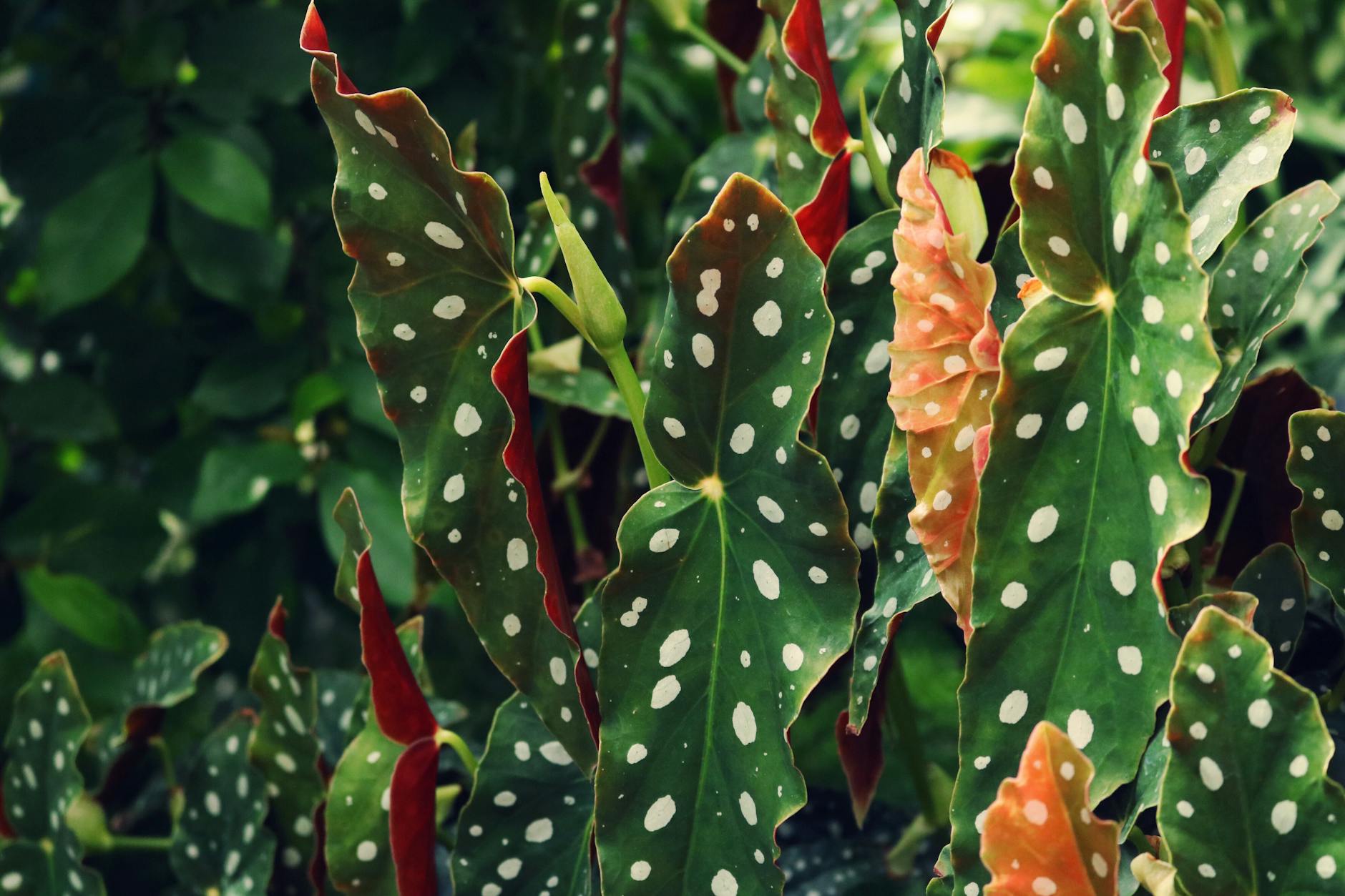
Polka Dot Begonia (Begonia maculata) is a cane-stemmed begonia native to the Atlantic forests of Brazil, known for its asymmetric olive-green leaves dotted with white spots and red undersides, upright bamboo-like growth habit, and preference for bright indirect light and consistent humidity. Water when the top 2–3 cm of soil dries out, typically every 5–7 days.
Quick facts
Begonia maculata is the plant most likely to arrive in a home via a social media post and leave it via the compost bin within three months. The white spots on dark, asymmetric leaves with red undersides are striking enough to travel widely online. Keeping the plant looking that way requires consistent moisture, humidity above 50%, and no direct sun — conditions most homes provide inconsistently. This guide covers what it takes to keep a Polka Dot Begonia thriving, and why it drops leaves.
At a glance: Polka Dot Begonia care
- Light: Bright, indirect — no direct sun.
- Water: Keep soil consistently moist but never soggy.
- Humidity: 50-60% required — low humidity causes edge browning and leaf drop.
- Temperature: 18-32°C ideal, minimum 13°C.
- Toxicity: Toxic to cats, dogs, and horses.
- Difficulty: Medium. Rewards attention to humidity and consistent watering.
What is a Polka Dot Begonia?
Begonia maculata belongs to the family Begoniaceae and is native to the Atlantic Forest of southeastern Brazil, particularly in the states of Minas Gerais and Rio de Janeiro. It is a cane-type begonia — meaning it grows upright on bamboo-like stems with swollen nodes — which distinguishes it from rhizomatous begonias (which grow in a ground-hugging rosette) and tuberous begonias (grown from bulb-like tubers). In its natural habitat, it grows in the shaded understorey of humid subtropical forest, receiving bright but filtered light and consistent moisture year-round.
The species name maculata means “spotted” in Latin. The distinctive white dots on the leaves are caused by air spaces beneath the upper epidermis that reflect light differently from the surrounding tissue — they are a structural feature, not a pigment, and cannot be wiped off.
Begonia maculata can bloom indoors, producing clusters of small white flowers with yellow centres, typically in spring and summer. Flowering is more likely in good light and stable growing conditions. The flowers are attractive but secondary to the foliage for most growers.
How much light does a Polka Dot Begonia need?
Begonia maculata needs bright, indirect light. The “indirect” part matters: direct sun, especially through south- or west-facing glass in the afternoon, will bleach and scorch the leaves within days. A spot set back one to two metres from a bright window, or behind a sheer curtain, is ideal.
An east-facing window with bright morning light is an excellent position. The plant does not thrive in low or medium light — insufficient light causes pale leaves, leggy growth, and reluctance to flower.
Signs your Polka Dot Begonia needs more light:
- Leaves becoming pale or washed-out
- Long, stretching stems with large gaps between leaves
- No new growth or no flowers
Signs of too much direct sun:
- White or yellow bleached patches on leaves
- Brown, papery patches on exposed areas
How often to water a Polka Dot Begonia
Water when the top 1-2cm of soil begins to dry out — Begonia maculata prefers consistently moist soil and does not like to dry out completely between waterings the way succulents or dracaenas do. At the same time, soggy, waterlogged soil causes root rot. The goal is even, consistent moisture.
Water thoroughly when you water, until it drains from the bottom. Empty the saucer afterward — the plant must not sit in standing water. In summer, this typically means watering every 4-7 days. In winter, every 7-10 days is normal.
Signs of overwatering:
- Yellow leaves, particularly lower leaves
- Soft, mushy stem sections near the base
- Soggy soil that stays wet for more than a week
Signs of underwatering:
- Wilted or limp stems
- Dry leaf edges that progress to brown
- Sudden leaf drop
The right humidity for a Polka Dot Begonia
Humidity is the single most critical factor after light for Begonia maculata. It needs 50-60% relative humidity to look its best. Below 40%, the leaf edges begin browning, and below 30% the plant will drop leaves.
A humidifier near the plant is the most reliable solution — the same fix a Calathea Ornata needs. A pebble tray filled with water beneath the pot also helps. Misting directly on the leaves is not recommended — Begonia maculata is susceptible to powdery mildew, and wet foliage with poor airflow is a contributing factor.
Grouping plants together raises local humidity slightly. Placing the plant in a bathroom with a bright window is a practical solution if the space allows, the same trick that works for a Maidenhair Fern.
Best temperature range for a Polka Dot Begonia
Begonia maculata is comfortable between 18-32°C and grows best in stable, warm conditions. Do not let temperatures drop below 13°C — the plant becomes stressed below this threshold and begins dropping leaves. It is not cold-tolerant.
What to avoid:
- Cold drafts from windows, doors, or air conditioning vents — one of the most common causes of sudden leaf drop
- Temperatures below 13°C, even briefly
- Placing near a cold window pane in winter
Stability matters as much as the actual temperature. Begonias drop leaves in response to change — a sudden cold draft can trigger significant leaf loss even if the plant is otherwise healthy.
The best soil and pot for a Polka Dot Begonia
A well-draining peat-based mix with 20-30% perlite added works well. The peat retains enough moisture to keep the soil consistently moist between waterings; the perlite ensures the roots never sit in truly waterlogged soil.
Standard potting compost without amendment tends to hold too much moisture. Cactus mix is too free-draining. Begonia maculata is in the middle: it needs moisture retention without saturation.
A pot with drainage holes is non-negotiable. Terracotta pots dry out faster than plastic or ceramic — useful if you tend to overwater, but requiring more frequent watering otherwise. The plant does not need a large pot: a snug fit is better than excess soil that stays wet between waterings.
When and how to fertilize a Polka Dot Begonia
Fertilize every two weeks during spring and summer at half the recommended strength using a balanced liquid fertilizer. A fertilizer slightly higher in phosphorus (the middle number on the packaging) can encourage flowering. Stop in autumn and skip winter entirely.
Half strength is important: Begonia maculata is sensitive to salt build-up from fertilizer, which causes brown leaf tips and edge damage. If you see this, flush the soil thoroughly with plain water to wash out accumulated salts.
How to propagate a Polka Dot Begonia
Stem cuttings are the standard method and work reliably.
- Cut a healthy stem section 10-15cm long with at least one leaf node.
- Remove the lower leaves, leaving 1-2 leaves at the top.
- Place in a glass of water in a bright, warm spot.
- Roots appear within 1-3 weeks. Transfer to moist potting mix when roots are 3-4cm long.
Cuttings can also be placed directly into moist potting mix under a clear plastic bag or humidity dome to retain moisture until they root. Soil propagation tends to produce slightly stronger root systems than water propagation.
Is Polka Dot Begonia toxic to pets?
Yes, Begonia maculata is toxic to cats, dogs, and horses. The plant contains soluble calcium oxalates, which cause:
- Mouth and throat irritation
- Excessive drooling
- Vomiting
- Difficulty swallowing in severe cases
The concentration of calcium oxalates is highest in the tubers and roots, but the leaves also contain them. If a pet has eaten any part of the plant, contact a vet or animal poison control line. If you have cats or dogs that chew on plants, a non-toxic alternative with bold foliage is the Rattlesnake Plant (Goeppertia insignis).
Cultivars at a glance
Begonia maculata 'Wightii'
The most commonly sold variety. White silver spots on dark green leaves with red undersides. Standard care applies.
Begonia maculata 'Tamaya'
More compact growth habit. Slightly smaller leaves with the same spot pattern. Good choice for smaller spaces.
Quick problem look-up
Leaves dropping suddenly
Polka Dot Begonias drop leaves when stressed by low humidity below 40%, consistently dry soil, or cold drafts below 13°C. Maintain soil moisture between waterings, keep humidity at 50-60% using a pebble tray, and position away from cold windows. Check roots for rot if soil stays soggy.
Brown leaf edges or tips
Brown crispy leaf edges indicate humidity below 50% combined with mineral-heavy tap water. Mist foliage every two to three days, use distilled water, and place on a pebble tray filled with water below the pot. Maintain 50-60% humidity consistently for best appearance and health.
White powder on leaves
Powdery mildew appears as white coating when humidity exceeds 70% with poor airflow. Remove affected leaves immediately, improve ventilation with a gentle fan, water only soil directly, never the foliage, and maintain 50-60% humidity. Spray with neem oil weekly if infection persists beyond two weeks.
Yellow leaves
Yellow leaves typically signal overwatering or inadequate light. Allow the top 2cm of soil to dry between waterings and provide bright indirect light for at least four hours daily. If lower leaves yellow naturally during growth, remove them. Adjust watering frequency based on season and pot drainage.
Do you ever wonder when your plant needs water or feeding?
GreenIQ tracks it per plant and reminds you at the right moment — adjusted to the season, not a fixed day.
Free, no account, no tracking.
Download GreenIQMore plants like this
Similar plants with comparable care needs or aesthetic.
You might also like
Begonia maculata · Last updated May 2026 · Photo by Madison Inouye on Pexels