Plant Care Guide
Calathea Ornata Care: The Complete Guide
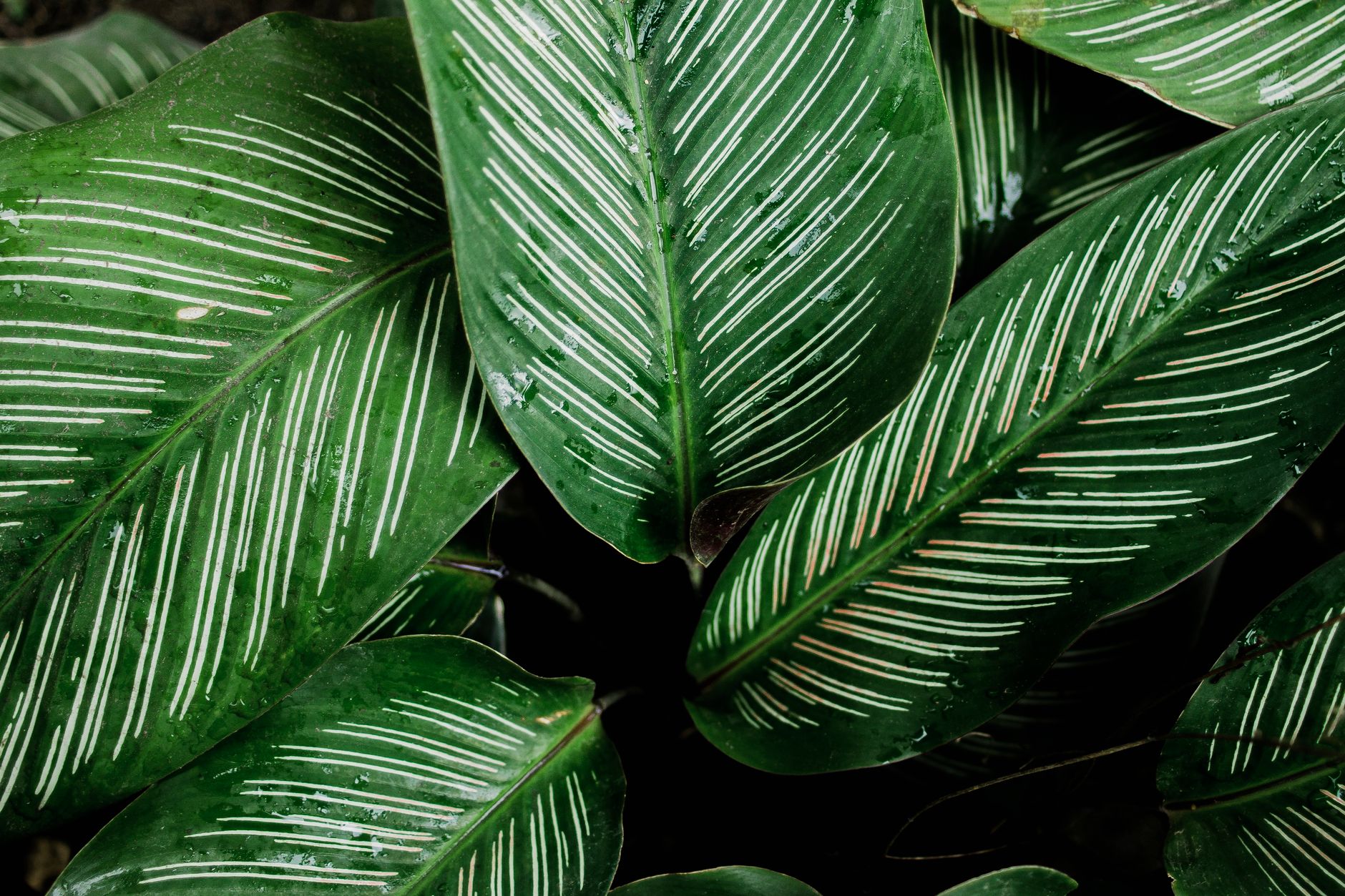
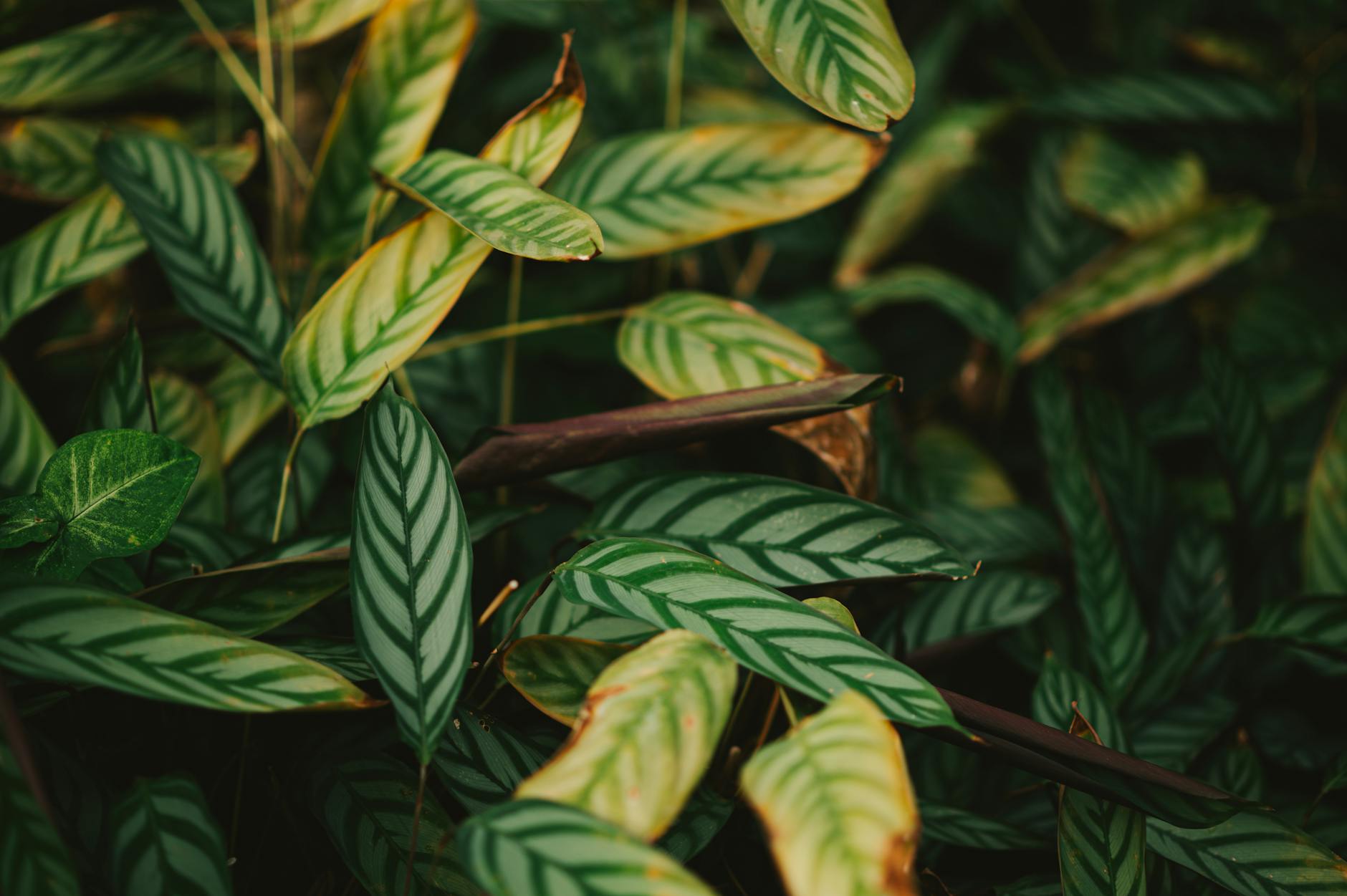
Calathea Ornata (Goeppertia ornata) is a tropical prayer plant native to the rainforests of South America, known for its dark-green leaves striped with pink, distinctive nightly leaf-folding movement, and demanding humidity requirements above 60 percent. Water when the top 2–3 cm of soil begins to dry, typically every 5–7 days.
Quick facts
Most owners think Calatheas are difficult plants. They are not difficult — but they are unforgiving, which is not the same thing. A Monstera will tolerate tap water, dry air, and irregular watering for months without visible complaint. A Calathea Ornata will show you every compromise within days: brown edges from fluoride in the water, curling leaves from air that is too dry, yellowing from soil that stayed wet too long. The care itself is not complicated. What is required is consistency on three specific points: water quality, humidity, and temperature stability. Get those right, and the Calathea Ornata is a straightforward plant.
At a glance: Calathea Ornata care
- Light: Medium, indirect only. No direct sun — it bleaches the pinstripe markings fast.
- Water: Consistently moist, with filtered or rainwater. Tap water causes brown edges.
- Humidity: High. 60%+ is the target. This is non-negotiable for good leaf health.
- Temperature: 18-27°C, always above 15°C. Stable — no drafts.
- Toxicity: Non-toxic. Safe for cats, dogs and horses.
- Difficulty: Hard. The water quality and humidity requirements eliminate most standard care shortcuts.
What is a Calathea Ornata?
Goeppertia ornata — sold in almost every nursery under the name Calathea ornata — was reclassified from the genus Calathea to Goeppertia in 2012 following a genetic study that split the Calathea genus into multiple groups. The trade has not adopted the new name; you will almost never see “Goeppertia” on a plant label. Both names refer to the same plant.
It is native to the tropical rainforests of Colombia and Venezuela, where it grows on the forest floor in consistently warm, humid, shaded conditions. That natural habitat explains every part of its care profile: no direct sun (shaded forest floor), high humidity (rainforest), consistent moisture (no dry season in its native range), and sensitivity to temperature drops (never exposed to cold).
The Calathea Ornata belongs to the Marantaceae family — the prayer plant family. Like its relatives Maranta, Ctenanthe, and the Rattlesnake Plant, it exhibits nyctinasty: the leaves fold upward at night and unfurl in the morning. This movement is driven by changes in water pressure in specialised motor cells called pulvini at the base of each leaf stem. A plant that has stopped moving usually indicates stress — cold, drought, or low humidity have disrupted the normal functioning of these cells.
One notable quality: Calathea Ornata is non-toxic to cats and dogs, which is unusual for a large-leaf ornamental houseplant. Most striking foliage plants with dark patterned leaves are toxic aroids; the Calathea is an exception.
How much light does a Calathea Ornata need?
Calathea Ornata needs medium, indirect light — and specifically, no direct sun at any time of day. Direct sun bleaches the distinctive pink pinstripe markings quickly, fading them to white or pale green within weeks. This plant is one of the few that genuinely prefers a spot further from the window rather than closer.
An east-facing room or a spot 1-2 metres back from a south- or west-facing window is ideal. A bright north-facing room works well. The plant grows at its best with consistent, even indirect light throughout the day rather than brief intense light and long periods of shade.
Signs your Calathea Ornata needs more light:
- Very slow growth with no new leaves emerging during spring or summer
- The pink pinstripes becoming very dark and the overall leaf colour deepening excessively
- Leaves becoming smaller over time
Signs of too much light:
- Pink pinstripes fading to white or pale yellow
- Leaf edges bleaching and browning
- Leaves curling to reduce their surface exposure — a combined drought and light response
How often to water a Calathea Ornata
Calathea Ornata needs consistently moist soil — not wet, not dry, but evenly damp at all times. Unlike most houseplants, it does not benefit from a dry-out period between waterings — a trait it shares with the Maidenhair Fern. The roots should never sit in waterlogged conditions, but equally, the soil should not dry out completely.
Water quality is critical. Calatheas are among the most fluoride-sensitive houseplants, and the brown edges that owners commonly attribute to low humidity are often caused partly — or entirely — by fluoride and chlorine in tap water. Use filtered water, distilled water, or rainwater. If tap water is the only option, let it stand in an open container for at least 24 hours — this allows chlorine to off-gas, though it does not remove fluoride.
Signs of overwatering:
- Yellow leaves, especially in the lower, older leaves
- Soft, mushy stems at the base of the plant
- Soil staying wet for more than a week
- A sour smell from the potting mix
Signs of underwatering:
- Leaves curling inward along their length — the plant rolls the leaves to reduce moisture loss
- Soil dry more than 1cm below the surface
- Leaves losing their upright posture
The right humidity for a Calathea Ornata
High humidity — 60% or above — is the most important care requirement for Calathea Ornata. Brown edges despite correct watering and filtered water are almost always caused by humidity that is too low.
Practical options, in approximate order of effectiveness:
- A room humidifier running nearby in winter is the most reliable solution — the same fix that helps a Boston Fern through a dry winter
- Grouping with other plants raises local humidity by a few percentage points
- A pebble tray with water beneath the pot contributes modest humidity at the leaf level
- Keeping the plant in a bathroom with a window (high ambient humidity from daily showers) works well
Misting the leaves provides a very brief localised effect that evaporates within minutes. It is not harmful, but it is not a substitute for actual humidity management.
Best temperature range for a Calathea Ornata
Goeppertia ornata grows best between 18-27°C and requires temperatures to remain consistently above 15°C. Unlike more robust houseplants, it does not tolerate even brief cold spells or temperature fluctuations without showing stress.
What to avoid:
- Cold drafts from open windows, exterior doors, or air conditioning vents
- Temperatures below 15°C sustained for more than a few hours
- Sudden shifts between warm and cool environments — even moving the plant between rooms in winter can cause setback
- Placement against cold exterior walls or near cold windows in winter
The combination of high temperature stability and high humidity requirements makes placement important: interior rooms with consistent warmth suit the plant better than rooms with variable conditions.
The best soil and pot for a Calathea Ornata
A standard well-draining potting mix works well, with a modest amount of perlite (10-15%) to prevent waterlogging while retaining the consistent moisture the plant needs. Avoid very chunky aroid mixes that drain too fast — the Calathea Ornata cannot cope with the dry periods that result.
A drainage hole is essential. Consistent moisture does not mean standing water; the excess must drain freely.
The plant grows from a clumping rhizome that expands gradually. It does not require frequent repotting — every 2 years is sufficient, when roots are clearly visible through the drainage hole or circling the soil surface.
When and how to fertilize a Calathea Ornata
Fertilize monthly during spring and summer with a balanced liquid houseplant fertilizer at half the recommended strength. Avoid fertilizers with high fluoride content — some lower-quality products contain this, and the Calathea Ornata is sensitive to fluoride accumulation.
Stop fertilizing in autumn and skip winter. Skip the first 4-6 weeks after repotting.
How to propagate a Calathea Ornata
Division at repotting time is the standard method. The Calathea Ornata does not produce offshoots or propagate easily from cuttings — division is the only reliable approach.
- Remove the plant from its pot and gently clear the soil from the root ball.
- Identify where the rhizome naturally separates into sections, each with its own roots and stems.
- Pull or cut the sections apart — clean hands or clean scissors work equally well.
- Each section with at least 2-3 leaves and a portion of the root system will establish as a new plant.
- Pot each division in fresh, moist potting mix.
- Keep in a warm, humid spot for 1-2 weeks while roots re-establish. Some drooping and leaf curl is normal during this period.
Freshly divided plants may drop a leaf or two as they adjust — this is stress from root disturbance, not a sign of failure.
Is Calathea Ornata toxic to pets?
No — Goeppertia ornata is non-toxic to cats, dogs and horses. This is one of the more useful qualities of the Marantaceae family. Unlike most large-leaf ornamental houseplants — which are aroids and contain calcium oxalate crystals — the Calathea family contains no compounds known to be toxic to pets.
If your household has animals that chew houseplants and you want a visually dramatic plant without the toxicity risk, the Calathea Ornata is one of relatively few options. The main consideration is its humidity and water quality requirements, which make it more demanding to care for than the pet-safe alternatives.
Quick problem look-up
Brown leaf edges
Brown edges result from fluoride and chlorine in tap water or insufficient humidity below 50 percent. Use distilled water or collect rainwater instead. Increase humidity by misting twice weekly, placing the pot on a pebble tray with water, or grouping plants together. Brown tips won't reverse but new growth improves significantly with these adjustments.
Curling or rolling leaves
Curling leaves indicate the plant is reducing moisture loss due to underwatering or low humidity. Check soil moisture at 2 to 3 centimeters depth and water when dry — if the soil is already moist and leaves still curl, humidity is the more likely cause. Maintain humidity above 60 percent using a humidifier or regular misting. These tropical plants need consistently moist soil and humid air to thrive.
Yellow leaves
Yellow leaves signal overwatering or developing root rot, the leading killer of Calatheas. Inspect roots for black, mushy tissue and repot into fresh, well-draining soil if rot is present. Allow soil to dry slightly between waterings. During winter, reduce watering frequency and stop monthly fertilization entirely for three months.
Fading pink pinstripes
The pink pinstripes fade from excessive light or direct sun exposure. Move your plant to bright, indirect light only, filtering through sheer curtains. Calatheas evolved under tropical canopy shade and bleach when overexposed. New leaves maintain vibrant coloring when positioned 1.5 to 2 meters from east or north-facing windows.
Do you ever wonder when your plant needs water or feeding?
GreenIQ tracks it per plant and reminds you at the right moment — adjusted to the season, not a fixed day.
Free, no account, no tracking.
Download GreenIQMore plants like this
Similar plants with comparable care needs or aesthetic.
You might also like
Goeppertia ornata · Last updated May 2026 · Photo by Nothing Ahead on Pexels