Plant Care Guide
Weeping Fig Care: The Complete Guide
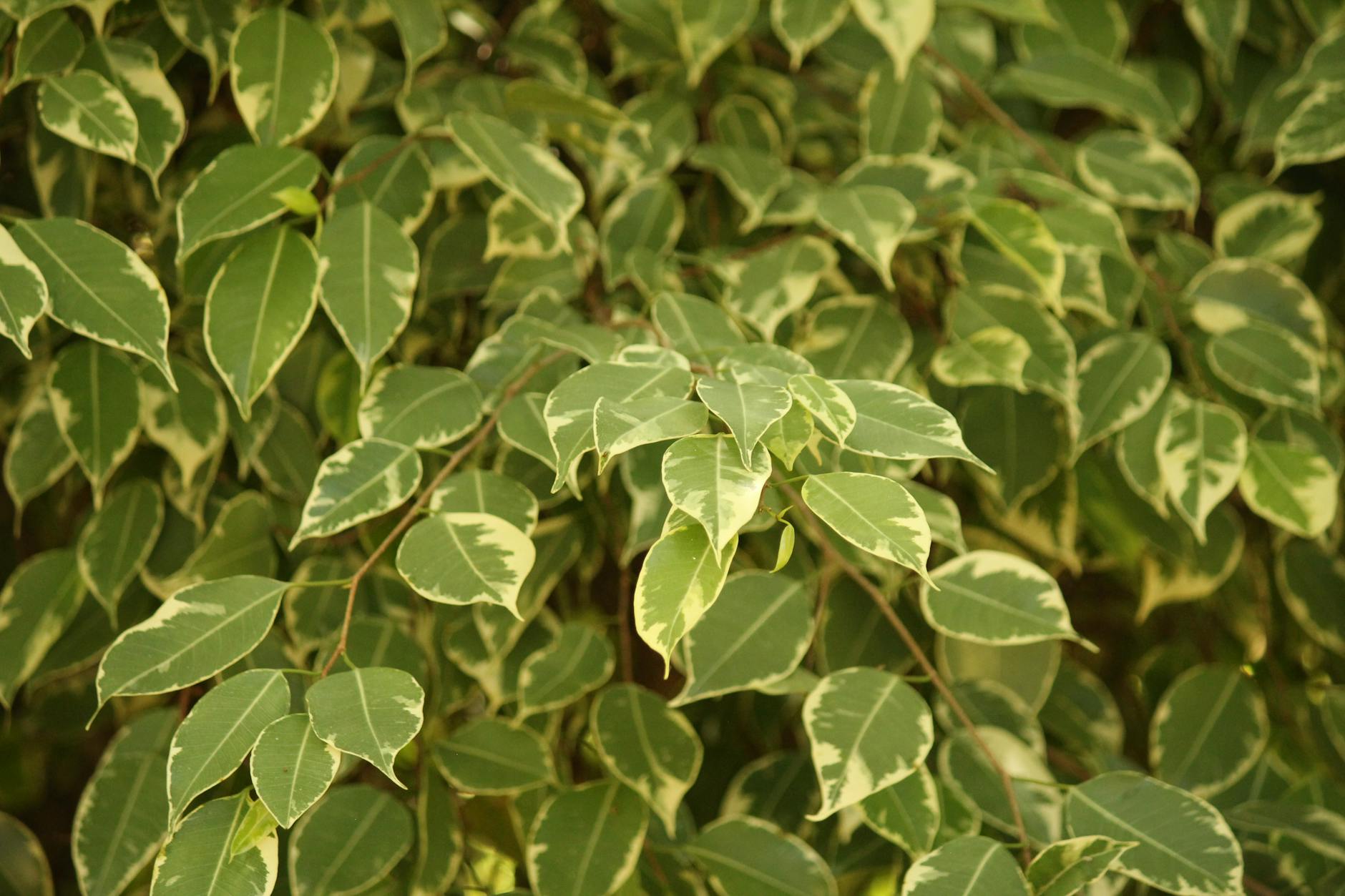
Weeping Fig (Ficus benjamina) is an evergreen tree native to South and Southeast Asia, known for its small glossy pointed leaves, graceful drooping branches, and sensitivity to changes in light or position that may cause leaf drop. Water when the top 3–5 cm of soil dries out, typically every 7–10 days.
Quick facts
Ficus benjamina has a reputation as a difficult plant, and that reputation is mostly earned by one behaviour: it drops leaves whenever it is unhappy, and it is unhappy about a surprising number of things. Move it across the room — leaves drop. Put it near a draft — leaves drop. Change its watering schedule — leaves drop. Once you understand what triggers the leaf drop, the plant becomes much more manageable. This guide explains what a Weeping Fig actually needs and how to stop the leaves falling.
At a glance: Weeping Fig care
- Light: Bright, indirect.
- Water: When the top 2-3cm of soil is dry.
- Humidity: Medium — prefers moderate humidity.
- Temperature: 16-30°C, no drafts.
- Toxicity: Toxic to cats, dogs, and horses. Latex sap irritates human skin.
- Difficulty: Medium. Sensitive to position changes and drafts.
What is a Weeping Fig?
Ficus benjamina belongs to the family Moraceae and is native to South and Southeast Asia — from India and Sri Lanka through to southern China, Malaysia, and northern Australia — where it grows as a large forest and garden tree reaching 20-30 metres in height. As an indoor plant it remains much smaller, typically 1-3 metres, with the cascading branches and small, glossy leaves that give it the common name “Weeping Fig.”
The plant contains a latex sap in all its parts — stems, leaves, and roots. This sap causes contact dermatitis in sensitive individuals and is the source of fig latex allergy, which affects a subset of people with latex sensitivity. When pruning or taking cuttings, gloves are advisable.
Ficus benjamina was one of the most popular large houseplants of the 1980s and 1990s. Its popularity declined somewhat as other, lower-maintenance options became available, such as the Rubber Plant of the same genus, but it remains widely sold — particularly in offices and shopping centres where its sculptural form and air-purifying qualities are valued. The variegated cultivars, particularly Starlight and Variegata, have seen renewed interest in recent years.
How much light does a Weeping Fig need?
Ficus benjamina needs bright, indirect light to thrive. A position near a south- or west-facing window, screened from the most intense direct afternoon sun, is ideal. An east-facing window with good ambient light also works well.
In lower light, the plant drops its older leaves progressively to reduce the size of the canopy it needs to support. Moving the plant to find better light often triggers an additional round of leaf drop from the stress of the move — the irony is that trying to improve the plant’s situation by moving it can temporarily make things worse.
Signs your Weeping Fig needs more light:
- Progressive leaf drop that doesn’t stop after settling in
- New growth is small and pale
- Leggy stems with large gaps between leaves
Signs of too much direct sun:
- Pale, bleached patches on leaves
- Leaf edges becoming brown and papery
How often to water a Weeping Fig
Water when the top 2-3cm of soil has dried out — test with a finger. Water thoroughly until it drains from the bottom, then empty the saucer. Ficus benjamina does not tolerate sitting in waterlogged soil, and consistently wet roots cause root rot, which then triggers the leaf drop that is incorrectly attributed to other causes.
At the same time, the plant does not like to dry out completely. Maintain an even moisture cycle: partial drying, thorough watering, partial drying again. In summer, watering every 7-10 days is typical. In winter, every 10-14 days.
Signs of overwatering:
- Yellow leaves before dropping
- Soft stems near the soil
- Soil staying visibly wet for more than 10-14 days
Signs of underwatering:
- Leaves wilting slightly before dropping
- Dry, papery edges
- Soil completely dry
The right humidity for a Weeping Fig
Ficus benjamina prefers medium humidity — 40-60% is comfortable. It does not require specialist humidity control, but very dry conditions (below 30%) can trigger leaf drop and increase susceptibility to spider mites.
A pebble tray beneath the pot, grouping plants together, or a humidifier in the same room all help maintain moderate humidity. Avoid misting directly on the leaves — the wet conditions can encourage fungal issues and the fine droplets can mark the glossy leaf surface.
Best temperature range for a Weeping Fig
Ficus benjamina is comfortable between 16-30°C and grows best in stable, warm conditions. Below 16°C the plant becomes stressed; below 10°C, leaf drop increases significantly. It is not cold-tolerant.
Drafts are a more significant threat than low temperature in most indoor settings, much like a Fiddle Leaf Fig or Dwarf Umbrella Tree. Even a warm draft from an air conditioning vent or a cold draft from a gap in a window can trigger leaf drop that persists for weeks. Stability of position and temperature is the single most important factor in keeping a Weeping Fig settled.
What to avoid:
- Drafts from windows, doors, air conditioning, or radiators blowing directly on the plant
- Temperatures below 15°C for more than a brief period
- Moving the plant — find a good position and leave it there
The best soil and pot for a Weeping Fig
A well-draining standard potting mix is suitable. Adding 20% perlite improves drainage if your mix is heavy. Avoid dense, moisture-retaining mixes that stay wet for too long.
A pot with drainage holes is essential. Ficus benjamina develops a substantial root system and can eventually crack soft plastic pots — terracotta or ceramic is more durable and provides better drainage. Choose a pot that fits the root ball without excessive spare soil, which stays wet and contributes to root problems.
Repot every 2-3 years, ideally in spring. Being slightly root-bound is not a problem for Ficus benjamina — in fact, it tends to bloom and grow more steadily when not repotted too frequently.
When and how to fertilize a Weeping Fig
Feed monthly during spring and summer with a balanced liquid fertilizer at half the recommended strength. Stop in autumn and skip winter. The plant grows slowly in winter and excess fertilizer contributes to salt build-up that eventually causes root problems.
How to propagate a Weeping Fig
Stem tip cuttings are the standard method, but require rooting hormone and some patience.
- Take a cutting 10-15cm long from a healthy growing tip.
- Allow the latex sap at the cut end to dry for 15-20 minutes (wear gloves).
- Dip the cut end in rooting hormone powder.
- Plant in a 50/50 mix of perlite and potting compost.
- Cover with a clear plastic bag and place in bright indirect light at 20-25°C.
- Roots develop in 4-8 weeks.
The latex sap is the main challenge — it drips from cuts and can mark surfaces, pots, and hands. Wrapping cut stems briefly in tissue after cutting manages the drip.
Is Weeping Fig toxic to pets?
Yes, Ficus benjamina is toxic to cats, dogs, and horses. The latex sap causes:
- Skin irritation and redness on contact (also in humans)
- Mouth and throat irritation if ingested
- Vomiting and drooling
- Diarrhea
Additionally, Ficus benjamina is associated with latex allergy sensitisation in some people. If you or anyone in your household has a latex allergy, take care when handling the plant — wear gloves for pruning and cutting. If a pet has ingested any part of the plant, contact a vet or animal poison control line.
Cultivars at a glance
Ficus benjamina 'Variegata'
Green leaves edged in cream. Bright and airy look; needs slightly more light to maintain the cream margins.
Ficus benjamina 'Starlight'
Heavy white and cream variegation — almost more white than green on some leaves. Striking but needs very bright indirect light.
Ficus benjamina 'Too Little'
Compact, bonsai-like form with small leaves. Slower-growing; ideal for smaller spaces or as a feature plant.
Quick problem look-up
Sudden leaf drop
Weeping figs drop leaves when moved or exposed to cold drafts below 13 degrees Celsius. Minimize relocation; if necessary, acclimate gradually over two weeks in the same location. Maintain consistent temperatures between 18 and 24 degrees Celsius. Avoid placing near windows or doors during winter. Even minor position changes trigger leaf loss in sensitive specimens.
Yellow leaves before dropping
Yellow leaves indicate overwatering or insufficient light. Check soil moisture before watering; it should dry slightly between waterings. Provide bright, indirect light for six to eight hours daily, away from direct sun. Ensure pots have drainage holes. Both conditions stress the plant, triggering yellowing followed by leaf drop within weeks.
Fine webbing on leaves and stems
Spider mites thrive in dry indoor air, creating fine webbing on leaves and stems. Shower the plant with water to physically dislodge mites before treating. Spray affected areas with diluted neem oil every seven days for three applications. Mist foliage daily to increase humidity above fifty percent. Isolate infested plants from others. Inspect regularly, as mites multiply rapidly in warm, dry conditions.
Wilting despite moist soil
Root rot causes wilting despite moist soil, indicating fungal infection from overwatering. Remove the plant from its pot and trim all dark, mushy roots with clean scissors. Repot immediately in fresh, well-draining potting mix. Water sparingly until new growth appears. Allow soil to dry one centimeter between waterings moving forward.
Do you ever wonder when your plant needs water or feeding?
GreenIQ tracks it per plant and reminds you at the right moment — adjusted to the season, not a fixed day.
Free, no account, no tracking.
Download GreenIQYou might also like
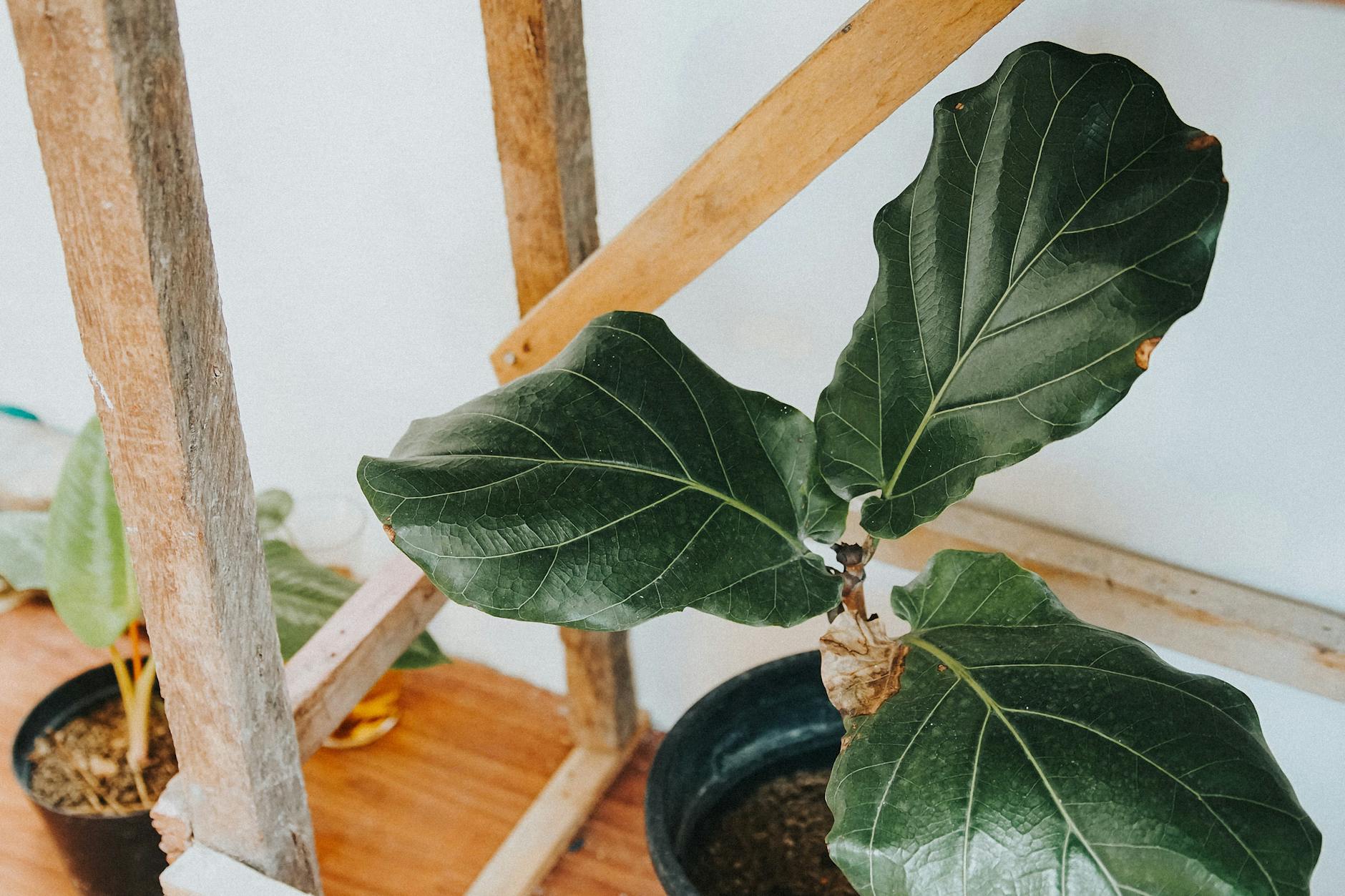
Ficus benjamina · Last updated May 2026 · Photo by Salieg Abrahams on Pexels