Plant Care Guide
Fiddle Leaf Fig Care: The Complete Guide
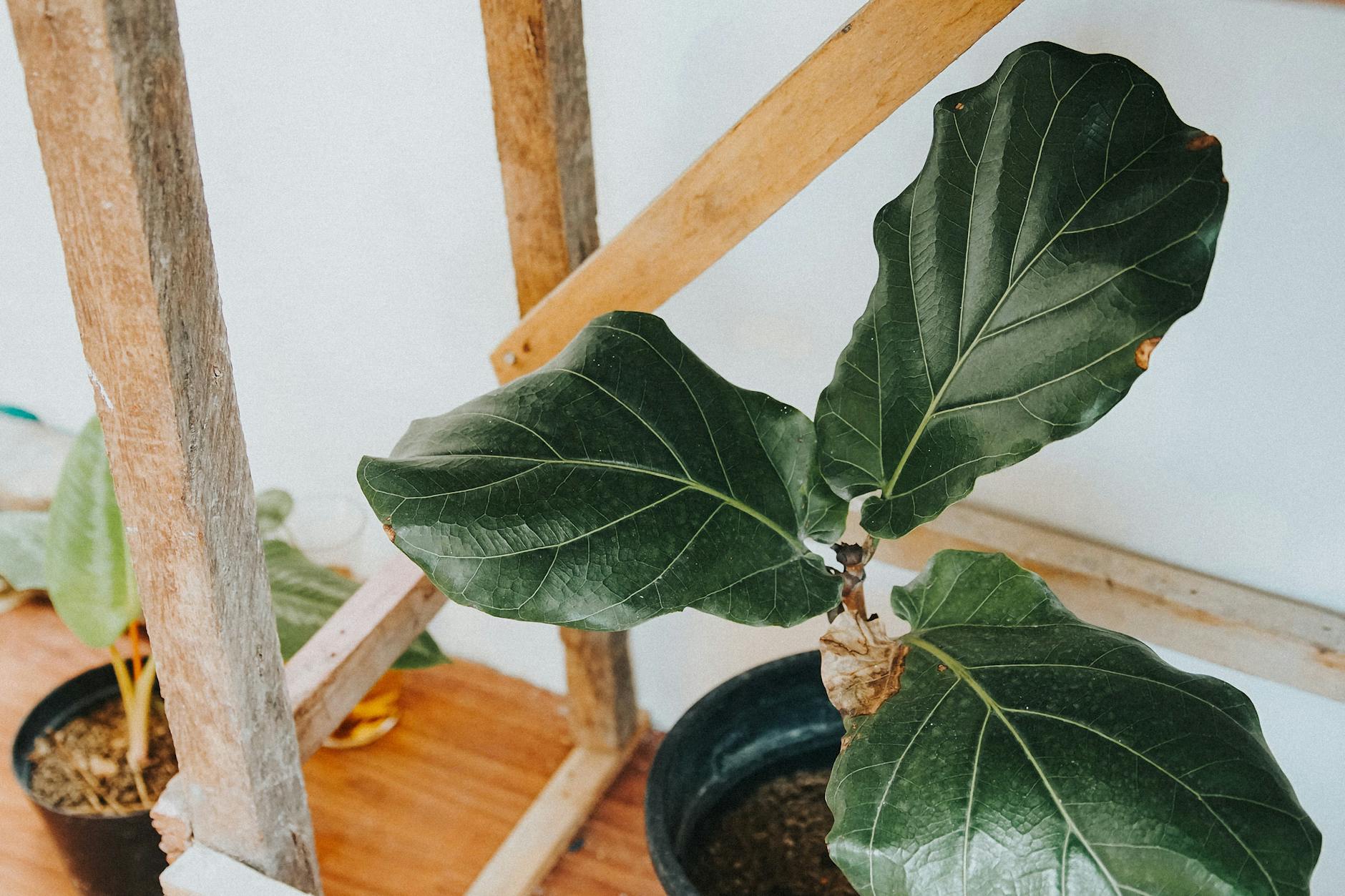
Fiddle Leaf Fig (Ficus lyrata) is a tropical tree native to the lowland rainforests of western Africa, known for its large violin-shaped glossy leaves, upright growth that can reach 2 metres or more indoors, and strict preference for consistent bright indirect light and stable positioning. Water when the top 3–5 cm of soil dries out, typically every 7–10 days.
Quick facts
A Fiddle Leaf Fig placed in a drafty hallway drops its lower leaves within a few weeks. Move it to a stable spot with consistent bright light — away from heating vents, cold windows, and anything that causes the temperature to fluctuate — and it grows steadily without drama. The reputation this plant has for being difficult comes almost entirely from location problems, not from anything inherently complex about its care. Find the right position, leave it there, and the Fiddle Leaf Fig is a medium-difficulty plant at most.
At a glance: Fiddle Leaf Fig care
- Light: Bright, indirect to filtered direct light. A bright south or west-facing window is ideal.
- Water: When the top 2-3cm of soil is dry.
- Humidity: Medium. Avoid heating vents and cold drafts.
- Temperature: 18-27°C ideal. Tolerates down to 12°C briefly; cold is a major stress trigger.
- Toxicity: Toxic to cats, dogs and horses.
- Difficulty: Medium. Sensitive to location and consistency, but not to individual care steps.
What is a Fiddle Leaf Fig?
Ficus lyrata is native to the lowland tropical rainforests of West Africa, where it grows as an understorey tree in consistently warm, humid, windless conditions. Indoors, that translates to a plant that strongly prefers stable conditions over a wide range: not the brightest possible light or the warmest possible temperature, but consistency in both.
The plant belongs to the Ficus genus — the same genus as the Rubber Plant (Ficus elastica) and the Common Fig (Ficus carica). Within that genus, Ficus lyrata is the most demanding of consistent conditions. The Rubber Plant of the same genus handles neglect and movement significantly better.
The Fiddle Leaf Fig became the dominant houseplant of the mid-2010s, appearing in virtually every interior design shoot from 2015 onwards. It was bought by many people primarily for its visual impact — tall, sculptural, with large violin-shaped leaves — without much research into what it needs. The result was widespread failure, which created the plant’s reputation for difficulty. That reputation is somewhat deserved, but the difficulty is specific: the plant is not technically demanding, it is sensitive to the wrong location.
How much light does a Fiddle Leaf Fig need?
Ficus lyrata needs bright, indirect to filtered direct light. A spot near a large south- or west-facing window is ideal — close enough to receive strong light, with a sheer curtain to prevent direct midday sun from scorching the large leaves. An east-facing window works well if it is bright.
Once positioned, do not rotate the plant. A Fiddle Leaf Fig adjusts its leaves to face the available light. Rotating it forces the plant to re-orient, which stresses it and commonly triggers leaf drop — the same sensitivity seen in a Weeping Fig. If you need to move the plant, do so as a last resort and expect a period of adjustment.
Signs your Fiddle Leaf Fig needs more light:
- New leaves arriving noticeably smaller than established ones
- Slow or no growth during spring and summer
- Lower leaves yellowing and dropping without an obvious cause
Signs of too much direct sun:
- White or pale bleached patches on leaf surfaces (most common on the sun-facing side)
- Brown scorched patches with dry, papery texture
- Leaf edges curling slightly inward in strong afternoon sun
How often to water a Fiddle Leaf Fig
Water when the top 2-3cm of soil is dry, then water thoroughly until water runs freely from the drainage hole. Empty the saucer afterward. In a warm, bright room this typically means once a week to once every ten days in summer. In winter, every 2-3 weeks is common as growth slows.
Consistency matters more than frequency. Alternating between overwatering and allowing the soil to dry out completely causes the brown spots that many owners attribute to other causes. Water the same way, at roughly the same interval, using roughly the same amount.
Signs of overwatering:
- Yellow leaves, often starting with lower leaves
- Brown spots in the centre of leaves — distinct from the edge browning caused by dryness
- A sour smell from the potting mix
- Soil remaining wet more than 10 days after watering
Signs of underwatering:
- Brown, dry edges on leaves, particularly on older leaves
- Leaves drooping or appearing slightly dull
- Soil pulling away from the pot sides and feeling bone dry
Root rot — caused by consistent overwatering — is the most serious problem the Fiddle Leaf Fig faces. It is slow to develop but fast to become irreversible. If the roots are dark and mushy, cut them away, repot in fresh mix, and reduce watering significantly.
The right humidity for a Fiddle Leaf Fig
Fiddle Leaf Figs prefer medium humidity — 40-60% — and are sensitive to the dry air produced by central heating in winter and air conditioning in summer. In dry conditions, the leaf edges begin to brown and the plant becomes more susceptible to spider mites.
If brown edges are persistent:
- Move the plant away from heating vents and radiators
- Use a pebble tray with water beneath the pot
- Wipe the large leaves with a damp cloth occasionally — this removes dust, allows better photosynthesis, and provides brief localised humidity
Misting is minimally effective. The large leaves lose the added moisture within minutes.
Best temperature range for a Fiddle Leaf Fig
Ficus lyrata grows best between 18-27°C and is more cold-sensitive than many common houseplants. Temperatures below 12°C cause stress, and cold drafts from windows, doors, or air conditioning are one of the most common causes of sudden leaf drop.
What to avoid:
- Positioning the plant near an exterior door that opens in cold weather
- Placing it against a cold wall or a window that lets in cold air at night in winter
- Any location where the temperature fluctuates by more than a few degrees regularly
The key is stability. A slightly cooler-than-ideal room that stays at a consistent temperature is better than a warmer room with cold drafts.
The best soil and pot for a Fiddle Leaf Fig
A standard, well-draining potting mix works well — improved with 15-20% perlite to prevent the soil staying wet for long periods. Avoid heavy, peat-dense mixes.
The pot must have drainage holes. A decorative pot without drainage will trap water at the root level and cause rot, which is difficult to detect until the plant is visibly deteriorating.
Choose a pot that fits the root ball with a few centimetres of space. A significantly oversized pot leaves wet, unused soil around the roots — a direct cause of root rot in a plant that is already prone to it.
When and how to fertilize a Fiddle Leaf Fig
Fertilize monthly during spring and summer with a balanced liquid houseplant fertilizer at half the recommended strength. Some growers use a higher-nitrogen formula specifically for Ficus to support the large leaves, but a balanced formula works well in practice.
Stop fertilizing in autumn. Skip winter entirely and skip the first 4-6 weeks after repotting.
How to propagate a Fiddle Leaf Fig
Two methods work for Ficus lyrata. Both require care with the sap, which is a latex-based irritant — wear gloves and wipe the cut ends with a dry cloth before proceeding.
By stem cuttings:
- Cut a stem section with 1-2 leaves and at least one node.
- Allow the cut end to dry for 30 minutes to let the latex seal.
- Place the cutting in a glass of water or moist potting mix in a warm, bright spot.
- Roots appear in 4-8 weeks. Water roots are slower to adapt to soil — pot up once 3-5cm long.
By air layering (more reliable for an established branch):
- Select a healthy stem and make a small upward diagonal cut 3-4cm long partway through.
- Prop the cut open with a toothpick and apply rooting hormone if available.
- Pack moist sphagnum moss around the cut and wrap in clear plastic, sealed at both ends.
- Roots develop through the moss in 4-8 weeks.
- Once roots are visible through the plastic, cut the stem below the moss ball and pot up.
Pruning encourages branching. A Fiddle Leaf Fig left to grow without pruning develops as a single tall trunk, similar to an Umbrella Tree. Cutting the top stem — called “topping” — redirects energy to the side buds and produces a multi-branched, bushier plant over the following growing season. The removed top can be propagated.
Is Fiddle Leaf Fig toxic to pets?
Yes, Ficus lyrata is toxic to cats, dogs and horses. The plant contains latex-based irritants throughout its leaves and stems. Ingestion causes:
- Mouth and throat irritation
- Drooling and difficulty swallowing
- Vomiting and stomach pain
The sap also causes skin and eye irritation in humans — wear gloves when pruning. If a pet has ingested the plant, rinse their mouth and contact a vet. Keep the plant out of reach of animals that chew houseplants; a tall, floor-standing Fiddle Leaf Fig is unfortunately accessible to most dogs and curious cats.
Cultivars at a glance
Ficus lyrata 'Bambino'
Compact dwarf form that stays under 100cm. Leaves are smaller but the same wavy, fiddle shape. Easier to manage indoors.
Quick problem look-up
Sudden leaf drop
Fiddle leaf figs shed leaves when stressed by relocation, cold drafts below 12°C, or sudden light changes. Identify and remove the stress source immediately. The plant typically stabilises within weeks. If leaf drop persists beyond four weeks, inspect roots for rot, which requires repotting in fresh, well-draining soil to prevent further decline.
Brown spots on leaves
Brown spots in the leaf centre indicate root rot or bacterial infection—check soil moisture and inspect roots for mushiness. Brown edges suggest low humidity, inconsistent watering, or fluoride in tap water. For centre spots, reduce watering and improve drainage. For edge browning, increase humidity with a pebble tray and use filtered water when possible.
Yellow leaves
Yellow leaves typically result from overwatering, the most common cause, especially affecting lower foliage. Less commonly, insufficient light during winter months causes yellowing. Allow the top two to three centimetres of soil to dry between waterings. Move the plant closer to a bright window, ideally within one metre of unobstructed light for optimal health.
No new leaves
No new growth is normal from November to February during winter dormancy. Outside winter, slow or absent growth indicates insufficient light. Move your fiddle leaf fig closer to a bright window, ideally within one metre of a south or west-facing exposure. Ensure temperatures remain between eighteen and twenty-seven degrees Celsius for active growth.
Do you ever wonder when your plant needs water or feeding?
GreenIQ tracks it per plant and reminds you at the right moment — adjusted to the season, not a fixed day.
Free, no account, no tracking.
Download GreenIQYou might also like
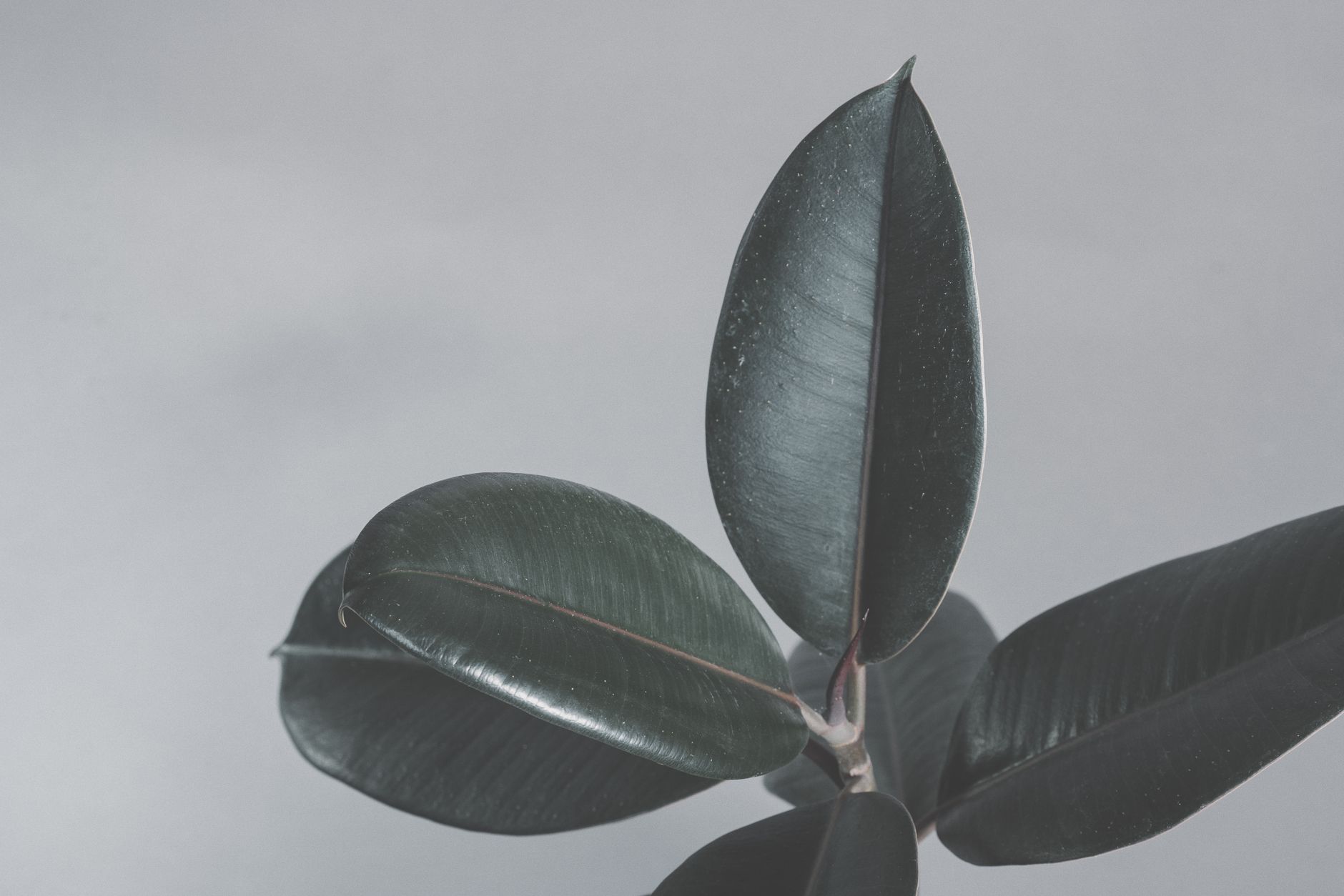
Ficus lyrata · Last updated May 2026 · Photo by Kenneth Surillo on Pexels