Plant Care Guide
Maidenhair Fern Care: The Complete Guide
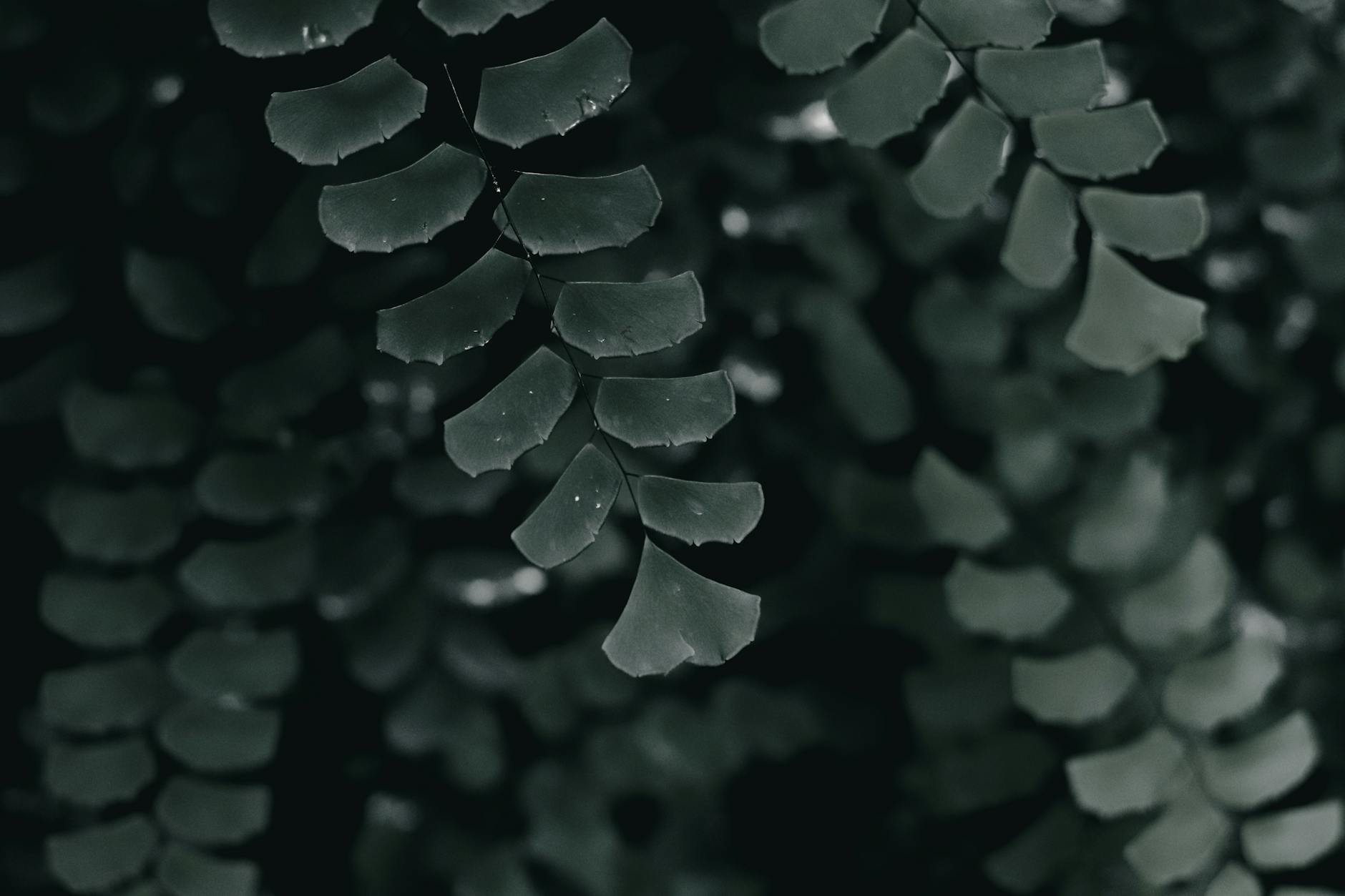
Maidenhair Fern (Adiantum raddianum) is a delicate fern native to the humid forest understoreys of tropical South America, known for its lacy small leaflets on thin black stems, graceful arching habit, and demanding requirement for consistent moisture and humidity above 60 percent. Water when the top 1–2 cm of soil begins to dry, typically every 3–5 days.
Quick facts
Adiantum raddianum communicates distress faster than almost any other houseplant. When humidity drops below its threshold or the soil dries out even once, the leaflets crisp and drop within hours — not days. This is not unusual sensitivity for its habitat: in the humid forest understoreys of tropical South America where Maidenhair Ferns evolved, moisture was never absent, so the plant never developed mechanisms for tolerating brief dry periods. The practical consequence for the owner is that care must be consistent rather than reactive. By the time a problem is visible, the damage is already done.
At a glance: Maidenhair Fern care
- Light: Medium, indirect. No direct sun — the fan-shaped leaflets scorch easily and do not recover.
- Water: Consistently moist. Never let the soil dry out completely, even briefly.
- Humidity: High. 60%+ is the functional minimum; a bathroom location is the most reliable solution.
- Temperature: 16–24°C, stable. No heating vents, no cold drafts, no sudden temperature changes.
- Toxicity: Non-toxic to cats, dogs, and horses. Safe for households with pets.
- Difficulty: Medium, leaning demanding. The care itself is simple; the consistency required is not.
What is a Maidenhair Fern?
Adiantum raddianum is distributed across tropical South America from Brazil north through Central America, and has naturalised in humid parts of Africa, the Canary Islands, and New Zealand. In its native habitat it colonises shaded forest floors, rocky stream banks, and the bases of waterfalls: places where humidity is constant, light is filtered to dappled, and the air is rarely still.
The genus name Adiantum comes from the Greek adiantos, meaning “unwetted.” The leaflets are hydrophobic — water droplets bead and roll off the surface rather than being absorbed. This gives wet fronds a shimmering, near-translucent quality in the right light. The common name “maidenhair” refers to the wiry black stems, which resemble the texture and fineness of human hair. The stem colour is one of the diagnostic features of a healthy plant: in good condition it is distinctively dark — near-black against the fresh green of the leaflets.
Unlike the Boston Fern, which sheds fronds dramatically but recovers readily, the Maidenhair does not offer second chances. Each frond has one life cycle — once it browns, it does not revive. New fronds will emerge from the rhizome given the right conditions, but the crisped frond is finished. This makes identifying the cause essential: new growth arriving into the same wrong conditions will simply repeat the cycle.
How much light does a Maidenhair Fern need?
Adiantum raddianum needs medium, indirect light — sufficient to sustain active growth, but filtered so that no direct sun reaches the leaflets. A north- or east-facing window is typically ideal. Positioned a metre or more back from a south-facing window, with sheer curtains or a blind softening the direct light, also works well.
The thin, fan-shaped leaflets are more photosensitive than the thicker fronds of most other houseplant ferns. Even brief exposure to direct midday sun — twenty minutes is enough — causes translucent scorch patches that do not reverse.
Signs your Maidenhair Fern needs more light:
- New fronds arriving noticeably pale or yellowish rather than mid-green
- Very slow growth even in the growing season
- Existing fronds becoming sparse rather than densely leafed
Signs of too much direct sun:
- Translucent or bleached patches on individual leaflets, particularly on the side facing the window
- Fronds curling inward and crisping at the edges despite appropriate watering
- General yellowing from the outside of fronds inward
How often to water a Maidenhair Fern
The soil should remain consistently moist — not waterlogged, not dry. Unlike succulents or most tropical foliage plants, Adiantum has no safe dry period. When the top centimetre of soil begins to dry, water immediately. In a warm room during summer, this typically means every 2–3 days. In winter, every 4–6 days is more common, though this varies with pot size, ambient temperature, and room humidity.
Water quality matters here more than with most ferns. Adiantum raddianum is sensitive to fluoride in tap water — chronic fluoride exposure produces the same tip-browning as low humidity, making it difficult to identify the actual cause without switching water sources. Use room-temperature rainwater or filtered water wherever possible.
Signs of overwatering:
- Yellow fronds throughout the plant, with soft and limp stems
- Soil remaining wet for more than 5–6 days between waterings
- A sour or musty smell from the potting mix
Signs of underwatering:
- Fronds crisping rapidly across the whole plant, not just at the tips
- Stems becoming limp and dry, not just the leaflets
- Soil pulling away from the pot sides and feeling bone-dry throughout
If the whole plant collapses simultaneously — all fronds crisping within a single day — the plant has experienced a sudden environmental shock: a heating vent was turned on nearby, the pot dried out completely, or it was moved from high to low humidity. Cut all damaged fronds back to the base, water thoroughly, enclose in a clear plastic bag to trap humidity, and place in indirect light. New fronds typically emerge from the rhizome within 3–6 weeks. Recovery is not guaranteed, but it succeeds more often than leaving crisped fronds in place.
The right humidity for a Maidenhair Fern
60% or above is the functional minimum for Adiantum raddianum in a domestic setting. Below 40% — the typical humidity of a centrally heated living room in winter — frond loss is nearly certain within a week. The thin leaflets have a high surface-area-to-volume ratio: they lose moisture to dry air faster than the roots can replace it, even when the soil is moist.
Practical approaches, in order of reliability:
- A bathroom with adequate indirect light is the single most consistently suitable location — the same recommendation given for a Bird’s Nest Fern or Staghorn Fern. Daily shower steam reliably maintains 60–80% humidity without any equipment.
- A room humidifier running adjacent to the plant is the most effective active solution for rooms where bathroom placement is impractical.
- A sealed or semi-sealed terrarium maintains near-ideal humidity continuously — Maidenhair Ferns are well-suited to terrarium growing and thrive in enclosed glass environments.
- Grouping with other humidity-loving plants raises local humidity modestly through combined transpiration.
- Misting the fronds provides very temporary surface moisture and is insufficient on its own — in a warm room, the leaflets dry within minutes and the ambient humidity remains unchanged.
Best temperature range for a Maidenhair Fern
Adiantum raddianum grows best in a stable range of 16–24°C. It handles temperatures up to about 27°C without significant damage, but above that any humidity deficit accelerates frond damage rapidly.
What to avoid:
- Temperatures below 10°C for any sustained period
- Cold drafts from open windows, exterior doors, or air conditioning vents
- Hot dry air from radiators or heating vents directed at the plant — the combination of heat and dry air is the most common cause of sudden, total frond collapse in winter
The best soil and pot for a Maidenhair Fern
A peat-free, moisture-retaining mix works best. A standard indoor potting mix with 10–15% added coir (coconut fibre) holds appropriate moisture while still providing adequate drainage. Avoid fast-draining aroid mixes or cactus soils — they dry out too quickly for Adiantum’s requirements.
A drainage hole is essential. “Consistently moist” does not mean waterlogged — poor drainage converts correct watering into standing water, leading to root rot.
Plastic pots retain moisture significantly longer than terracotta. For a plant that must never dry out, this is an advantage. Terracotta loses moisture through its walls and requires more frequent watering to compensate; this is manageable but adds to the maintenance burden.
When and how to fertilize a Maidenhair Fern
Fertilize monthly during spring and summer with a balanced liquid fertilizer diluted to half the recommended strength. Adiantum is not a heavy feeder — excess fertilizer accumulates as mineral salts in the soil and causes the same tip-browning as fluoride and low humidity. In a plant where diagnosing brown tips already requires attention to multiple variables, eliminating fertilizer excess as a potential cause is worth the restraint.
Stop fertilizing in early autumn. Skip winter entirely. Skip the first 4–6 weeks after repotting.
How to propagate a Maidenhair Fern
Division at repotting time is the standard method.
- Remove the plant from its pot and gently clear loose soil from the root ball without pulling hard on the rhizome.
- Identify natural separation points — places where the rhizome divides into sections, each with its own fronds and attached roots.
- Pull or cut the sections apart cleanly. Each division needs at least 3–4 healthy fronds and a reasonable root system.
- Pot each division immediately in fresh, moist mix — do not allow the exposed roots to dry out.
- Enclose each new pot in a clear plastic bag or place in a humid environment for 2–3 weeks while roots re-establish.
Expect some frond loss immediately after division. This is a normal stress response to root disturbance. New fronds emerge once roots re-establish, typically within 3–4 weeks under good conditions.
Is Maidenhair Fern toxic to pets?
No — Adiantum raddianum is non-toxic to cats, dogs, and horses. The plant contains no known toxic compounds and is safe in households with animals. The combination of visual impact, non-toxicity, and the Maidenhair’s distinctively delicate form makes it a worthwhile choice for pet-owner households — assuming the humidity requirements can be met.
Cultivars at a glance
Adiantum raddianum 'Fragrans'
Compact form with smaller, more densely packed leaflets. Good choice for terrariums and enclosed humid environments.
Adiantum raddianum 'Fritz-Lüthi'
Larger leaflets than the standard species. More vigorous growth and slightly more tolerant of lower humidity.
Quick problem look-up
Frond shedding and collapse
Maidenhair Ferns are extremely sensitive to humidity and moisture fluctuations. Even one missed watering or humidity below 50 percent triggers dramatic frond collapse. If the collapse coincides with heating season starting, humidity is the likely cause; if the soil was allowed to dry out, that is the direct trigger. Cut all damaged fronds back to the base, keep soil consistently moist, never waterlogged, and maintain humidity by misting daily or with a pebble tray. Recovery takes two to three weeks once conditions stabilize.
Brown or crispy fronds
Brown, crispy fronds indicate environmental stress from low humidity, direct heat exposure, or fluoride in tap water. Diagnose by pattern: browning from the margin inward points to humidity or water quality, while whole fronds crisping uniformly means the soil dried out completely. Maintain humidity above 60 percent through daily misting or a humidifier. Keep plants away from heating vents and direct sunlight. Water when the top 1 centimeter of soil feels dry. Remove damaged fronds to encourage healthy new growth.
Yellow fronds
Yellow fronds typically signal overwatering, which causes root rot, or insufficient light. Check soil moisture first—it should be moist but never soggy or sitting in water. Ensure the plant receives bright, indirect light from an east or north-facing window. Reduce watering frequency and improve drainage if needed.
Scale insects or mealybugs
Scale insects and mealybugs thrive on Maidenhair Ferns in dry conditions. Inspect frond undersides and stem junctions weekly for small brown bumps or white cotton-like clusters. Spray affected areas with diluted insecticidal soap every ten days for three weeks, avoiding neem oil, which can mark and damage the delicate leaflets. Increase humidity to 65 percent to discourage pest reinfestations and boost plant resilience.
Do you ever wonder when your plant needs water or feeding?
GreenIQ tracks it per plant and reminds you at the right moment — adjusted to the season, not a fixed day.
Free, no account, no tracking.
Download GreenIQMore plants like this
Similar plants with comparable care needs or aesthetic.
You might also like
Adiantum raddianum · Last updated June 2026 · Photo by Simon Reza on Pexels