Plant Care Guide
Dwarf Umbrella Tree Care: The Complete Guide
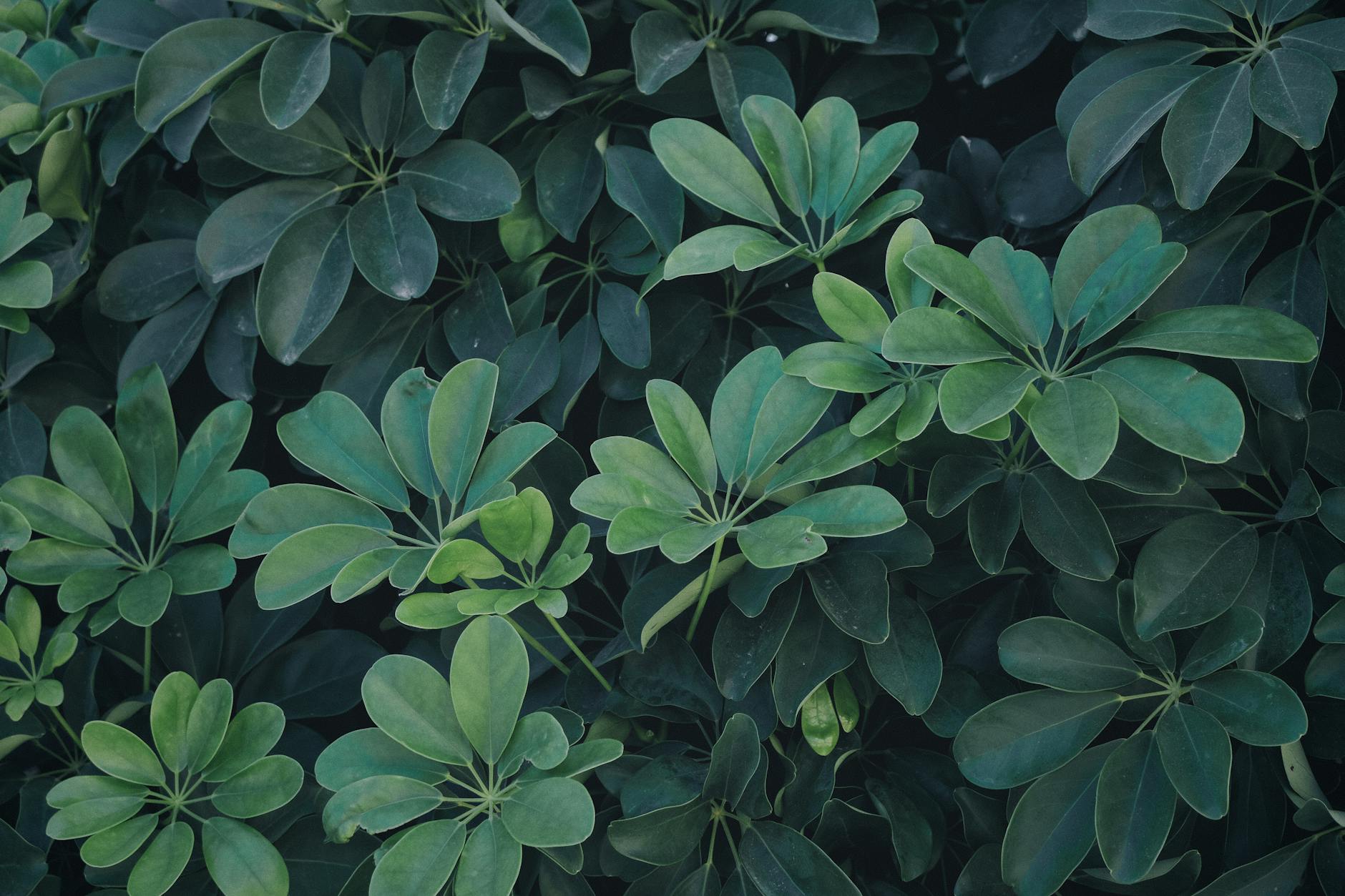
Umbrella Tree (Schefflera arboricola) is a tropical evergreen tree native to Taiwan and Hainan, known for its compound leaves of glossy oval leaflets arranged in an umbrella pattern, fast-growing upright habit indoors, and need for bright indirect light to maintain compact form. Water when the top 3–5 cm of soil dries out, typically every 7–10 days.
Quick facts
Schefflera arboricola is an indoor tree that makes a significant visual impact with relatively modest care requirements — but it is not quite as low-maintenance as its reputation sometimes suggests. The palmate leaves, each made up of 7-11 oval leaflets fanning out like an umbrella, create a lush, tropical look. The main challenge is leaf drop, which happens whenever the plant is stressed — moved to a new spot, overwatered, or placed in a draft. This guide covers what it takes to keep a Dwarf Umbrella Tree stable and growing.
At a glance: Dwarf Umbrella Tree care
- Light: Bright, indirect — tolerates medium light.
- Water: When the top 2-3cm of soil is dry.
- Humidity: Medium — benefits from moderate humidity.
- Temperature: 10-32°C ideal.
- Toxicity: Toxic to cats, dogs, and horses.
- Difficulty: Medium. Sensitive to position changes; stable conditions are key.
What is a Dwarf Umbrella Tree?
Schefflera arboricola belongs to the family Araliaceae and is native to Taiwan and southern China, where it grows as a shrub or small tree in subtropical forests and along forest margins. It was introduced to horticulture as a smaller-growing alternative to the related Schefflera actinophylla (the larger Umbrella Tree native to Australia), and the name “Dwarf” refers to its smaller leaf size and more compact growth habit relative to that species — it still grows to 2-3 metres indoors under good conditions.
The compound palmate leaves are the defining feature. Each leaf consists of multiple leaflets arranged around a central point, giving the characteristic umbrella or octopus-arm appearance that explains its common names. Variegated cultivars with yellow or cream markings on the leaves are widely available and popular; these typically need somewhat more light than the plain green species to maintain their colour.
In its natural habitat Schefflera arboricola is sometimes found as an epiphyte — growing on larger trees or rock faces — which partly explains its tolerance for limited root space and varying moisture conditions.
How much light does a Dwarf Umbrella Tree need?
Schefflera arboricola grows best in bright, indirect light and tolerates medium light reasonably well for a plant of its size. In bright conditions, the growth is faster and more compact. In medium light, growth slows but the plant remains healthy.
A position within 1-2 metres of a south- or west-facing window is ideal. East-facing windows also work well. In low light, the plant becomes leggy — stems elongate with large gaps between leaf nodes — and may begin dropping leaves as it struggles to support its canopy.
Signs your Umbrella Tree needs more light:
- Leggy, stretched stems with large gaps between leaves
- Slow or no new growth during spring or summer
- Existing leaves becoming pale or dropping
Variegated cultivars — Gold Capella, Janine, Trinette — need somewhat more light than the plain green species to maintain their yellow and cream colouring.
How often to water a Dwarf Umbrella Tree
Water when the top 2-3cm of soil has dried out. Water thoroughly until it drains from the bottom, then empty the saucer. Schefflera arboricola does not like to sit in wet soil for extended periods, but it also does not like to dry out completely — the goal is evenly moist soil that dries out partially between waterings.
In summer, watering every 7-10 days is typical. In winter, every 10-14 days is normal. Adjust based on your specific conditions — a warm, bright room dries soil faster than a cool, dim one.
Signs of overwatering:
- Yellow leaves, starting with older lower leaves
- Soft stems near the soil
- Soggy soil that stays wet for more than two weeks
Signs of underwatering:
- Wilted or limp stems and leaves
- Dry, papery leaf edges
- Soil completely dry and pulling away from the pot sides
The right humidity for a Dwarf Umbrella Tree
Schefflera arboricola prefers medium humidity — 40-60% is ideal. It tolerates the drier conditions of centrally heated homes, but low humidity can increase susceptibility to spider mites, which are already the most common pest on this plant.
A pebble tray, a nearby humidifier, or grouping plants together all help. The leaves also benefit from occasional wiping with a damp cloth, which removes dust and makes the plant look better while also reducing spider mite habitat.
Best temperature range for a Dwarf Umbrella Tree
Schefflera arboricola is comfortable between 10-32°C. Growth is strongest between 15-25°C. Below 10°C the plant shows cold stress — leaves become dark, water-soaked, and eventually drop.
Stability matters as much as the actual temperature. Schefflera is sensitive to sudden changes: cold drafts from windows or air conditioning, being moved to a different spot, or sudden changes in watering frequency all trigger leaf drop — the same sensitivity as a Fiddle Leaf Fig. Once you find a good position, leave the plant there.
What to avoid:
- Cold drafts from windows, doors, or air conditioning vents
- Temperatures below 10°C
- Moving the plant frequently
The best soil and pot for a Dwarf Umbrella Tree
A well-draining standard potting mix works well. Adding 20% perlite improves drainage without significantly reducing moisture retention. Avoid heavy, peat-dense mixes that stay wet for extended periods.
A drainage hole is essential. Terracotta pots are a good choice — they dry out faster than plastic, which is beneficial for a plant prone to root rot from overwatering. Choose a pot size that fits the root ball comfortably without a lot of excess soil, which stays wet and contributes to root problems.
Repot every 2-3 years when the plant becomes rootbound. Schefflera arboricola can be pruned back significantly if it outgrows its space — cut stems back to a node and new growth will emerge from below the cut, the same technique used on a Rubber Plant or Weeping Fig.
When and how to fertilize a Dwarf Umbrella Tree
Fertilize monthly during spring and summer with a balanced liquid fertilizer at half the recommended strength. Stop in autumn and skip winter entirely. Avoid over-fertilizing — excess salt build-up in the soil causes brown leaf tips and can contribute to root stress.
How to propagate a Dwarf Umbrella Tree
Stem cuttings: Take a cutting 10-15cm long from a healthy growing tip. Remove the lower leaves, leaving 2-3 leaves at the top. Dip the cut end in rooting hormone powder and plant in moist perlite or a 50/50 mix of potting compost and perlite. Cover with a clear plastic bag to retain humidity. Roots develop in 4-8 weeks at 20-25°C.
Air layering: For larger plants, air layering is more reliable for propagating a section with several leaves. Wound the stem, apply rooting hormone, wrap in moist sphagnum moss, and cover in clear plastic. Roots appear in the moss in 4-8 weeks; cut below the rooted section and pot up.
Is Dwarf Umbrella Tree toxic to pets?
Yes, Schefflera arboricola is toxic to cats, dogs, and horses. The plant contains insoluble calcium oxalates, which cause:
- Immediate mouth and throat burning
- Excessive drooling
- Pawing at the mouth
- Vomiting
Symptoms are typically immediate and self-limiting — the burning sensation usually stops animals from ingesting large quantities. However, if a pet has eaten any part of the plant, contact a vet or animal poison control line. Keep out of reach of pets that chew on houseplants.
Cultivars at a glance
Schefflera arboricola 'Gold Capella'
Yellow-green variegated leaves with irregular gold splashing. Needs brighter light to maintain colour.
Schefflera arboricola 'Janine'
Cream and green variegation. More subtle than Gold Capella; tolerates slightly lower light.
Schefflera arboricola 'Trinette'
White and green variegation. Clean, bright look; same care as the species.
Quick problem look-up
Sudden leaf drop
Dwarf Umbrella Trees shed leaves when stressed by environmental changes. Low light, overwatering, cold drafts below 13 Celsius, or sudden relocations trigger leaf drop. Maintain consistent watering, place in bright indirect light, avoid cold areas, and minimize moving the plant. Recovery takes 4 to 6 weeks once conditions stabilize.
Yellow leaves
Yellowing leaves indicate overwatering, the most common issue for Schefflera. Check soil moisture before watering; allow top 5 centimeters to dry between waterings. Ensure drainage holes prevent water pooling. In cooler months, reduce frequency. Remove yellow leaves and improve air circulation to prevent fungal issues and restore plant health.
Leggy, sparse growth
Insufficient light causes sparse, stretched growth. Move your Schefflera to a bright location with indirect sunlight for at least 6 hours daily. Prune leggy stems above leaf nodes to encourage branching and fuller shape. Fertilize monthly at half strength during growing season. New compact growth appears within 6 to 8 weeks.
Fine webbing or dull leaves
Spider mites thrive in dry air, causing fine webbing and dull foliage on Schefflera. Shower the plant with water to physically dislodge mites, then increase humidity by misting leaves weekly or placing on pebble trays with water. Treat with neem oil spray every 7 days for 3 applications. Isolate affected plants to prevent spread to nearby houseplants.
Do you ever wonder when your plant needs water or feeding?
GreenIQ tracks it per plant and reminds you at the right moment — adjusted to the season, not a fixed day.
Free, no account, no tracking.
Download GreenIQYou might also like
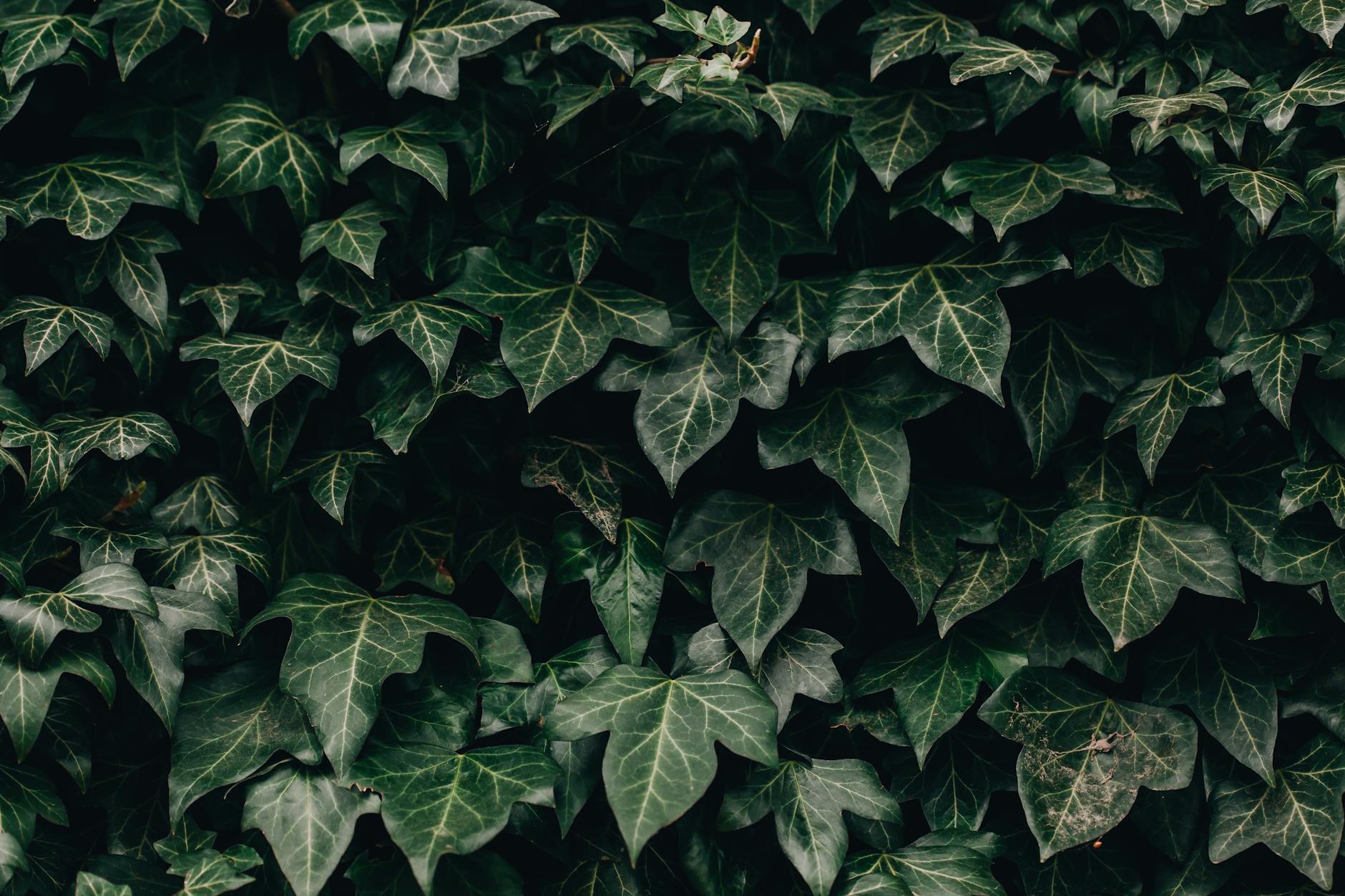
Schefflera arboricola · Last updated May 2026 · Photo by Leonardo Barucci on Pexels