Plant Care Guide
English Ivy Care: The Complete Guide
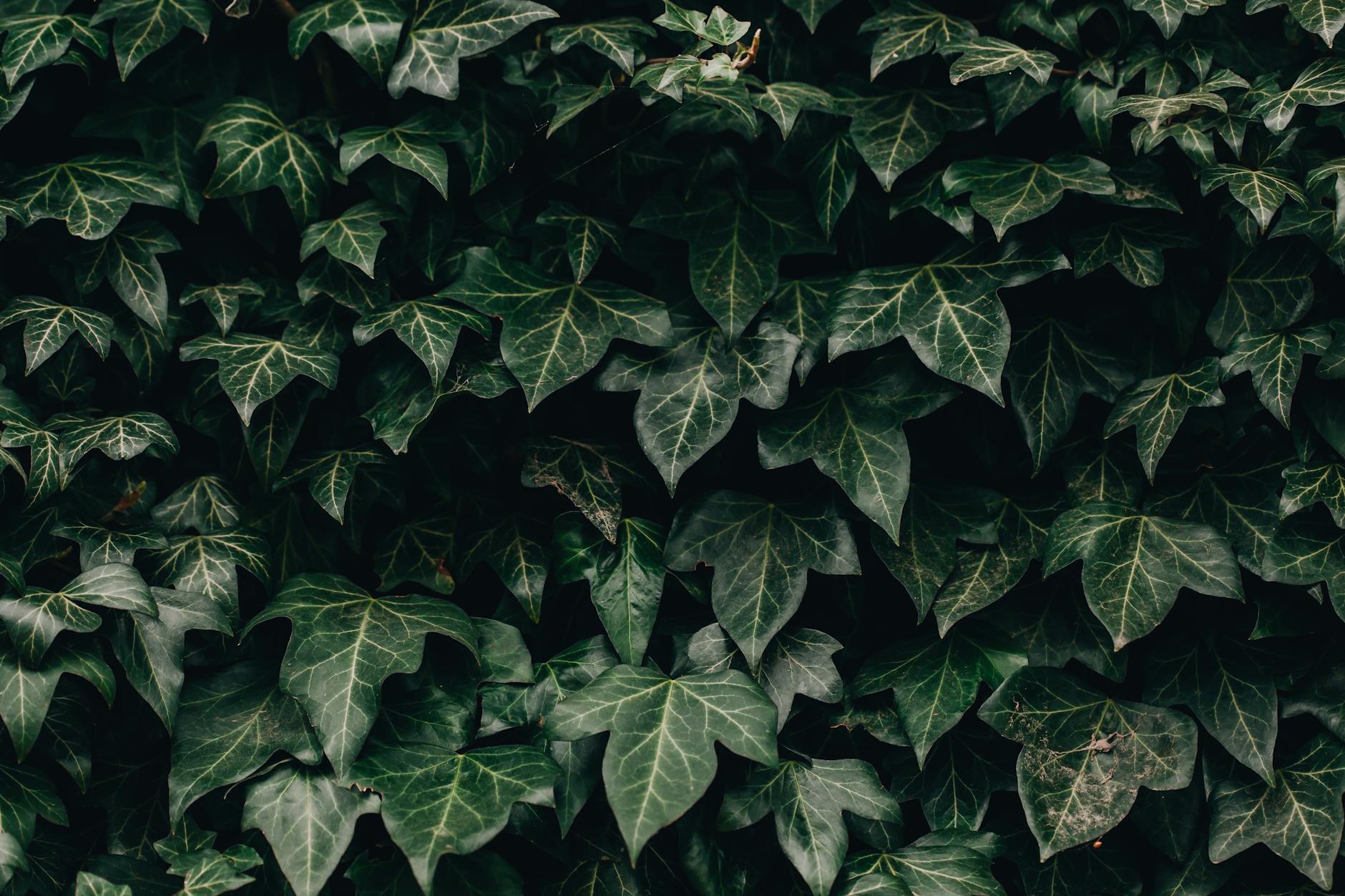
English Ivy (Hedera helix) is an evergreen climbing or trailing vine native to Europe and western Asia, known for its lobed dark-green leaves, vigorous growth on supports or as ground cover, and preference for cool conditions and bright indirect light. Water when the top 3–5 cm of soil dries out, typically every 7–10 days.
Quick facts
Hedera helix is one of those houseplants that looks delicate and refined but grows with the determination of a weed — which, in many parts of the world, it technically is. English Ivy can climb walls, trail from shelves, and fill hanging baskets. It tolerates lower light than most foliage plants, prefers cooler temperatures, and is straightforward to propagate. The main threat indoors is spider mites, which find the dry, warm conditions of most modern homes ideal. This guide covers what English Ivy needs and how to keep it healthy.
At a glance: English Ivy care
- Light: Bright, indirect — tolerates lower light.
- Water: When the top 2-3cm of soil is dry.
- Humidity: Medium — benefits from moderate humidity.
- Temperature: 10-25°C — prefers cooler conditions.
- Toxicity: Toxic to cats, dogs, and horses.
- Difficulty: Easy. Forgiving and adaptable — the main challenge is spider mites.
What is an English Ivy?
Hedera helix belongs to the family Araliaceae and is native to Europe and western Asia, where it grows as a ground cover and climbing plant across a wide range of climates — from the British Isles and Scandinavia in the north to Mediterranean regions in the south. This native range explains its preference for cooler conditions, which distinguishes it from most tropical houseplants that want warmth and humidity.
The species name helix refers to the plant’s twisting, spiralling growth — from the Greek word for “to turn.” Hedera helix climbs by producing small adhesive rootlets along its stems that grip surfaces, allowing it to scale walls, fences, and tree trunks. As a houseplant, it is usually grown as a trailing or cascading plant rather than a climber — the same hanging-basket role often filled by Pothos or a Heartleaf Philodendron, though Ivy tolerates cooler rooms better than either.
English Ivy produces two distinct types of leaves: the classic lobed juvenile leaves seen on trailing and climbing stems, and the unlobed adult leaves that appear when the plant begins to flower. The juvenile form is what most growers want and keep. Mature specimens that have been allowed to climb and flower eventually produce berries that are toxic if ingested, though indoor houseplants rarely reach flowering maturity.
How much light does an English Ivy need?
Hedera helix grows best in bright, indirect light but tolerates lower light better than most houseplants. Its native woodland and forest-margin habitat includes both open conditions and dappled shade.
An east- or north-facing window is fine. A position near a south- or west-facing window — but not in full direct sun — is better. Direct afternoon sun will scorch the leaves and wash out the colour. Variegated cultivars like Glacier and Goldchild need somewhat more light than plain green types to maintain their colouring.
Signs your English Ivy needs more light:
- Long, bare stretches of stem between leaves
- Pale green colour on leaves that should be deep green
- Variegated forms reverting toward plain green
Signs of too much direct sun:
- White, bleached patches on leaves
- Brown, crispy patches on sun-facing leaves
How often to water an English Ivy
Water when the top 2-3cm of soil has dried out. English Ivy does not like to sit in consistently wet soil, and overwatering is a more common cause of death than underwatering. Water thoroughly when you water, ensuring it drains from the bottom, and empty the saucer.
In summer, watering every 7-10 days is typical. In a cool room in winter, every 10-14 days is common. The plant prefers slightly drier conditions in cooler temperatures — reduce watering in winter, especially in rooms below 15°C.
Signs of overwatering:
- Yellow leaves
- Soft or mushy stems near the soil
- Soggy soil that stays wet for more than 10-14 days
Signs of underwatering:
- Wilted, limp stems
- Dry, papery leaf edges
The right humidity for an English Ivy
English Ivy prefers medium humidity — 40-60% is comfortable. Unlike tropical plants, it does not require high humidity to stay healthy. However, low humidity (below 30%) in centrally heated rooms significantly increases susceptibility to spider mites, which are the plant’s most serious indoor pest.
Regular misting, a pebble tray, or a nearby humidifier all help. Wiping the leaves occasionally with a damp cloth removes dust, improves the plant’s appearance, and physically dislodges mite colonies before they establish.
Cooler temperatures combined with moderate humidity closely replicate the plant’s preferred conditions — a cool, bright bathroom or bedroom is often a better long-term position than a warm, centrally heated living room.
Best temperature range for an English Ivy
English Ivy prefers 10-25°C — cooler than most tropical houseplants. It is not truly cold-hardy as an indoor plant (it will not survive frost indoors), but it is comfortable in cooler rooms that most tropical plants would find stressful.
Growth is most vigorous between 15-22°C. Above 25°C the plant becomes more stressed, grows more slowly, and becomes significantly more susceptible to spider mites.
What to avoid:
- Temperatures consistently above 25°C
- Dry, hot air from radiators blowing directly onto the plant
- Frost or sustained temperatures below 5°C
The best soil and pot for an English Ivy
Standard potting mix without amendment is fine for Hedera helix — it does not need the specialist drainage of succulents or the moisture retention of calatheas. If your potting mix is particularly heavy or dense, adding 20% perlite improves drainage.
A drainage hole is essential. Hanging baskets or elevated pots suit the plant’s trailing habit well. English Ivy is not demanding about pot size — repot every 2 years when the plant becomes rootbound or when it outgrows its container.
When and how to fertilize an English Ivy
Feed every two months during spring and summer with a balanced liquid fertilizer at half the recommended strength. Stop in autumn and skip winter. English Ivy is not a heavy feeder — too much nitrogen at the wrong time produces soft, weak growth that is more susceptible to pests.
How to propagate an English Ivy
English Ivy is among the easiest houseplants to propagate from cuttings.
- Cut a healthy stem section 8-12cm long with at least 2-3 leaf nodes.
- Remove the lower leaves, leaving 1-2 leaves at the top.
- Place in a glass of water in a bright spot.
- Roots appear within 1-2 weeks.
- Transfer to moist potting mix when roots are 2-3cm long.
Cuttings can also be placed directly into moist potting mix with very high success rates. Multiple cuttings planted together in the same pot create a fuller result than a single cutting.
Is English Ivy toxic to pets?
Yes, Hedera helix is toxic to cats, dogs, and horses. The plant contains hederagenin (a saponin) and other triterpenoid compounds, which cause:
- Vomiting
- Diarrhea
- Excessive drooling and hypersalivation
- Weakness in more severe cases
The berries, if present on mature flowering specimens, are more toxic than the leaves. The sap can also cause contact dermatitis in sensitive people — wear gloves when pruning. If a pet has eaten any part of the plant, contact a vet or animal poison control line. If you have pets that chew on trailing plants, a non-toxic alternative is the Spider Plant (Chlorophytum comosum).
Cultivars at a glance
Hedera helix 'Glacier'
Grey-green leaves with silver and cream variegation. One of the most popular variegated ivies; same easy care.
Hedera helix 'Goldchild'
Green leaves with irregular yellow-gold edges. Colour is most vivid in bright indirect light.
Hedera helix 'Needlepoint'
Narrow, deeply lobed leaves with a more delicate, refined look. Trails and climbs the same as the species.
Hedera helix 'Yellow Ripple'
Wavy yellow and green leaves. Distinctive texture and colour; keep in bright indirect light.
Quick problem look-up
Fine webbing and stippled leaves
Spider mites thrive in warm, dry air and create fine webbing on English ivy leaves. Shower the plant with lukewarm water to physically dislodge mites, then increase humidity by misting daily and grouping plants together. Treat infestations with neem oil spray every seven days for three weeks. Isolate affected plants to prevent spreading to nearby specimens.
Yellow leaves
Yellow leaves indicate overwatering, the most common problem with English ivy. Allow the top two to three centimeters of soil to dry completely between waterings. Ensure pots have drainage holes and use well-draining potting mix. Reduce watering frequency during cooler months when growth slows naturally.
Brown, crispy leaves
Brown, crispy leaves result from low humidity, excessive heat, or direct sunlight exposure. English ivy prefers cool conditions between sixteen and twenty-one degrees Celsius with bright indirect light. Increase humidity through regular misting or a pebble tray. Move plants away from heating vents and harsh afternoon sun.
Long stems with few leaves
Leggy growth occurs from insufficient light or neglected pruning. Provide bright indirect light for six to eight hours daily. Pinch back stem tips every two weeks during growing season to encourage branching. Regular trimming maintains compact, bushy shapes and promotes denser foliage development.
Do you ever wonder when your plant needs water or feeding?
GreenIQ tracks it per plant and reminds you at the right moment — adjusted to the season, not a fixed day.
Free, no account, no tracking.
Download GreenIQYou might also like
Hedera helix · Last updated May 2026 · Photo by Julia Filirovska on Pexels